CHIANG MAI, April 2026 — The Mass Rapid Transit Authority is advancing plans for the Chiang Mai Light Rail Red Line, designed to enhance urban mobility through a 5-kilometer route featuring six strategically placed stations. This initiative aligns with a growing trend towards upgrading urban transportation infrastructure to accommodate increasing urbanization and mobility needs in major Thai cities.
The Red Line will establish a V-shaped route that connects Luang Ratchapruk Park to the Mae Hia Saman Samakkee Intersection, a critical transit corridor for the growing population of Chiang Mai. Feasibility studies commenced in October 2022 and are expected to conclude with final project authorization by April 2024. The timeline indicates that construction may begin as early as October 2028, targeting completion and operational readiness by December 2032.
This project is positioned as a public-private partnership, emphasizing a collaborative approach to infrastructure development. The bidding process for contractors is anticipated to open in 2027, signaling an opportunity for private sector investment in urban transport. As urban centers like Chiang Mai continue to expand, the Red Line could significantly alleviate traffic congestion and promote sustainable transit options, aligning with national objectives for environmental stewardship.
In comparison, similar initiatives in neighboring regions have revealed the vitality of integrated rail systems in stimulating local economies and enhancing public transit efficiency. The emphasis on a structured implementation framework, through the planned public-private partnership model, may also serve as a blueprint for future transport projects throughout Thailand.
Overall, the Chiang Mai Light Rail Red Line serves as a key component in Thailand's strategic infrastructure development, spotlighting the need for advanced transit solutions in the face of rapid urban growth and emphasizing the importance of robust connectivity in fostering regional economic resilience.
Source: IndexBox
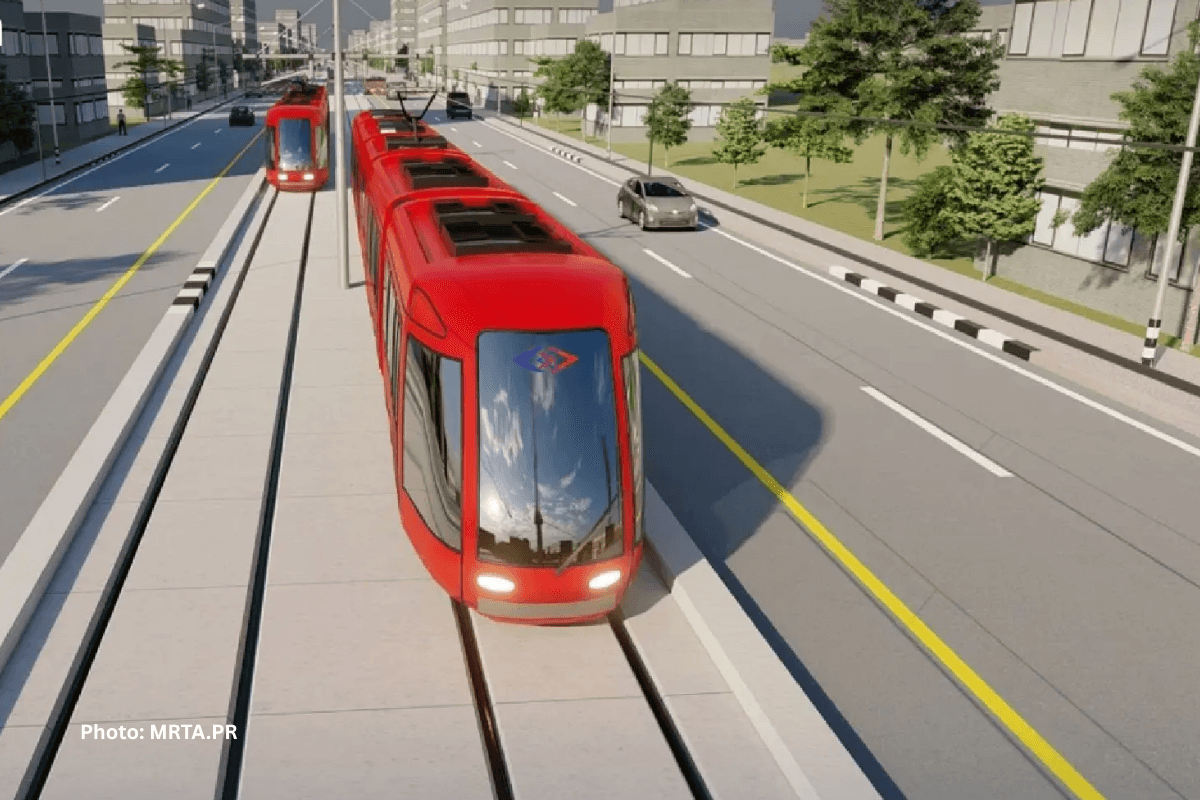
Advancing Urban Mobility: The Chiang Mai Light Rail Red Line Project

Engineering Business Management
Share this story
The Chiang Mai Light Rail Red Line initiative underscores a significant shift toward modern urban transport solutions in Thailand. Currently, detailed feasibility assessments are underway, aiming for construction commencement in 2028, with broader implications for regional connectivity and economic growth.


