The ongoing expansion of urban rail infrastructure across Asia is crucial for managing population growth and improving mobility. India, a major player in this development, has made notable progress in its metro networks, with projects like the Chennai Metro Rail (CMRL) demonstrating advanced construction techniques.
CMRL recently completed a critical 500-meter viaduct section connecting St. Thomas Mount to Adambakkam. This segment involved building a second level above an existing Mass Rapid Transit System (MRTS) line, presenting significant space constraints and engineering challenges. The project employed a specially customized, lightweight launching girder and cast-in-situ portal construction methods to address these difficulties.
The successful completion offers valuable lessons for other congested urban rail projects across Asia. Innovative use of specialized equipment and adaptive construction methods in confined spaces highlights the ability to overcome logistical constraints, potentially speeding up project timelines while enhancing safety standards.
To address the limitations of deploying heavy cranes over active railway lines, CMRL used a 100-tonne launching girder, significantly lighter than standard equipment, to install I-girders. The unique suspended support system, built using existing MRTS piers, further exemplifies the innovative engineering solutions required for such complex urban projects.
The St. Thomas Mount to Adambakkam viaduct completion marks a significant step forward in CMRL’s project execution capabilities. It reflects a broader trend in Asia where rail operators increasingly adopt sophisticated engineering techniques to deliver essential infrastructure in challenging urban environments.
Source: The Hindu
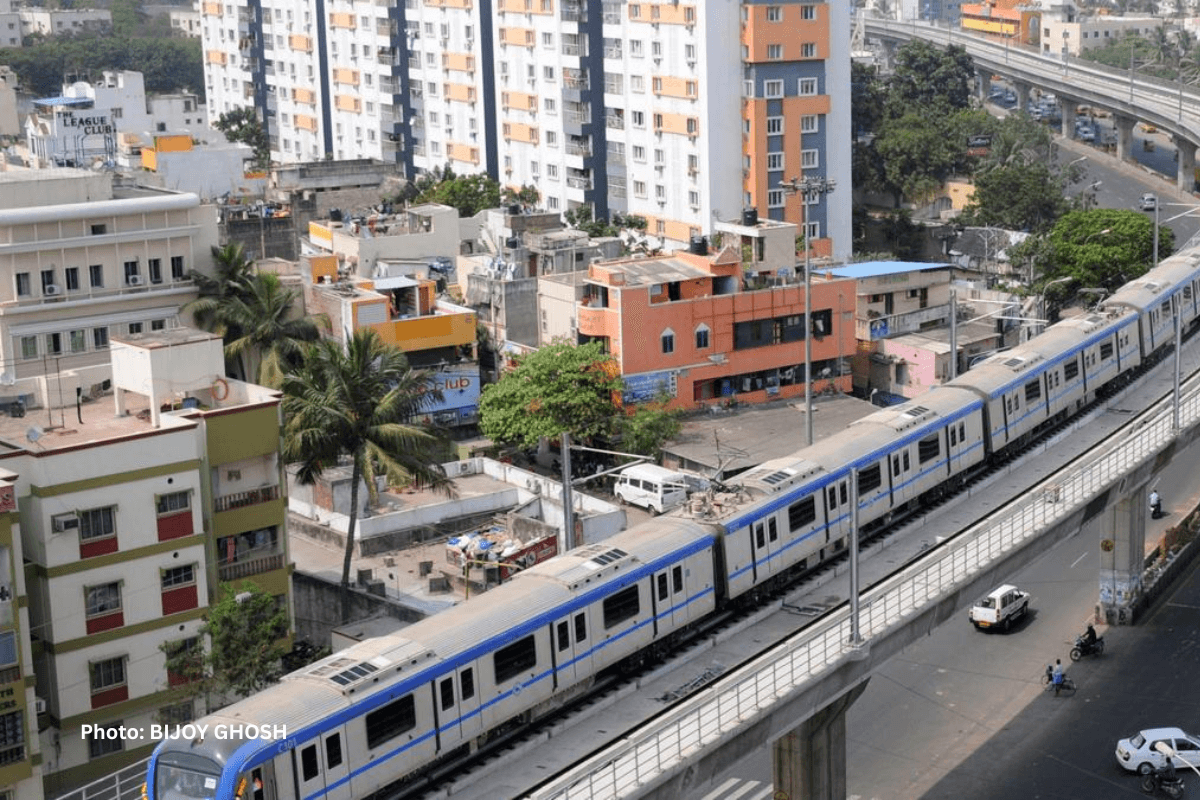
Chennai Metro Rail Completes Critical Viaduct Section Amidst Complex Engineering Challenges

Engineering Business Management
Share this story
As Asian cities rapidly expand their urban transit networks, the successful completion of complex infrastructure projects is paramount. Chennai Metro Rail has finalized a challenging viaduct segment, demonstrating advanced construction capabilities in congested environments. This achievement highlights the growing sophistication of rail development across the region.


