CHINA, March 2026 — China continues to demonstrate significant progress in its high-speed rail development, a sector critical for modern infrastructure and economic connectivity. The nation is actively engaged in testing advanced train technologies, pushing the boundaries of speed and efficiency in its rail network.
Recent reports indicate that China is testing a bullet train capable of reaching speeds of 280 miles per hour. This technological milestone underscores China's commitment to expanding its high-speed rail capabilities. In contrast, the United States currently has no operational high-speed rail lines, highlighting a substantial gap in infrastructure development between the two nations. This divergence in high-speed rail investment and deployment has significant implications for regional and global transportation networks.
China's advancements position it as a leader in high-speed rail technology, potentially influencing international standards and trade routes. The lack of similar infrastructure in the US presents challenges for domestic connectivity and international competitiveness in the transport sector. The development reflects a broader global trend where nations are investing heavily in advanced transportation systems to foster economic growth and improve quality of life.
While China accelerates its high-speed rail projects, other regions are also focusing on enhancing their rail infrastructure to meet future demands. This ongoing evolution in rail technology and infrastructure deployment signifies a critical area of development for the global transportation industry. The contrasting approaches to high-speed rail development between China and the US illustrate differing national priorities and capabilities in shaping future mobility.
Source: Boing Boing
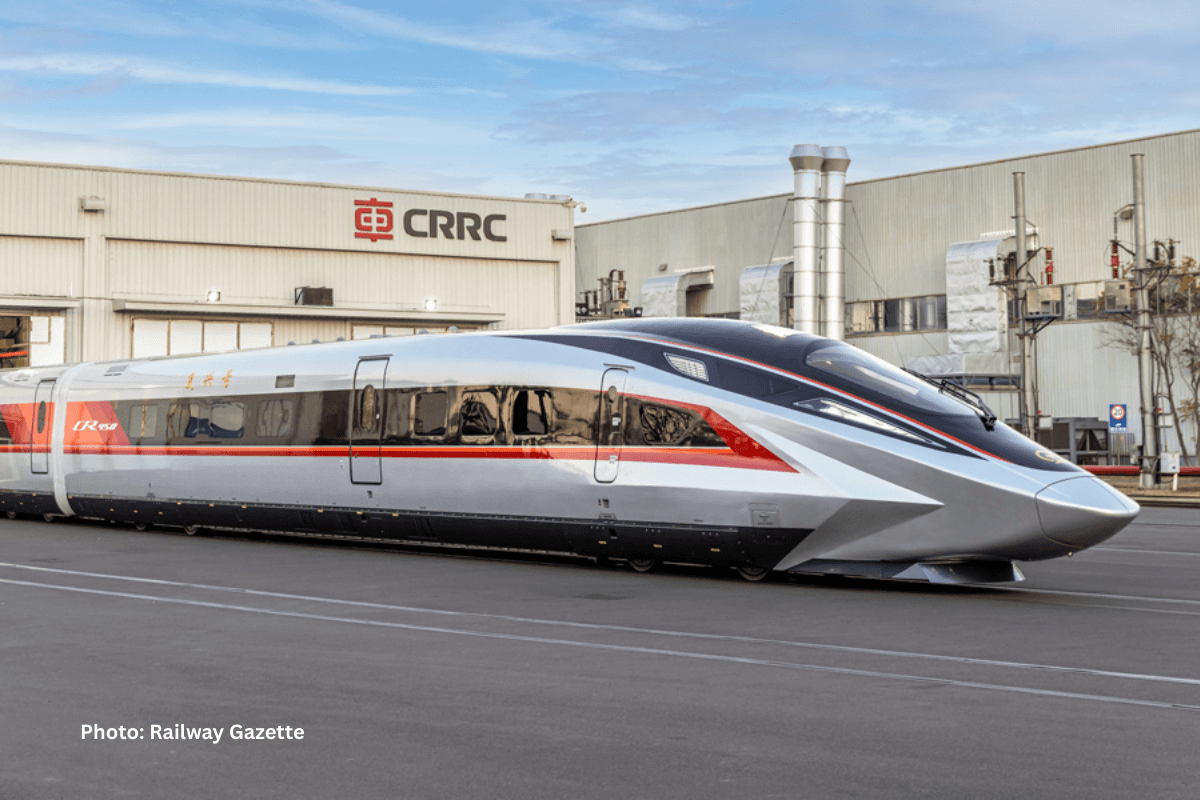
China's 280 MPH Bullet Train Test Highlights Global Infrastructure Divide As high-speed rail technology advances globally, China is testing a bullet train at 280 mph.

Engineering Business Management
Share this story
China is accelerating the development of next-generation high-speed rail, with recent testing activities showcasing trains designed to reach speeds of up to 280 miles per hour. The trials highlight the country’s continued focus on advancing rail technology and expanding modern transport infrastructure.


