CHINA, April 2026 — The remarkable growth of China's high-speed rail (HSR) network stands as a powerful indicator of the nation's economic and technological evolution. This development reflects a national strategy that leverages mobility infrastructure as a catalyst for economic expansion and modernization.
In a period of less than twenty years, China has constructed an unparalleled 50,000 kilometers of high-speed lines, establishing the world's most extensive HSR system. This rapid deployment significantly exceeds the total length of similar networks globally and includes some of the fastest commercial train services in operation.
The expansion of this network has dramatically improved inter-city connectivity, enabling travel between distant urban centers in minutes or hours. This enhanced accessibility is a key driver for increased investment, burgeoning tourism, and deeper regional economic integration across the country.
Beyond its economic impact, China's HSR development is a strategic move to reduce dependence on air and road travel, offering a more efficient and environmentally conscious alternative. Consequently, high-speed trains are increasingly viewed as vital instruments for economic competitiveness and the transition towards sustainable transportation systems.
China's ambitious HSR program exemplifies a broader global shift towards prioritizing advanced rail infrastructure for national development and environmental objectives. The scale and speed of its network construction present a new paradigm for infrastructure development and its transformative potential.
Source: RailwayPRO Communication Platform
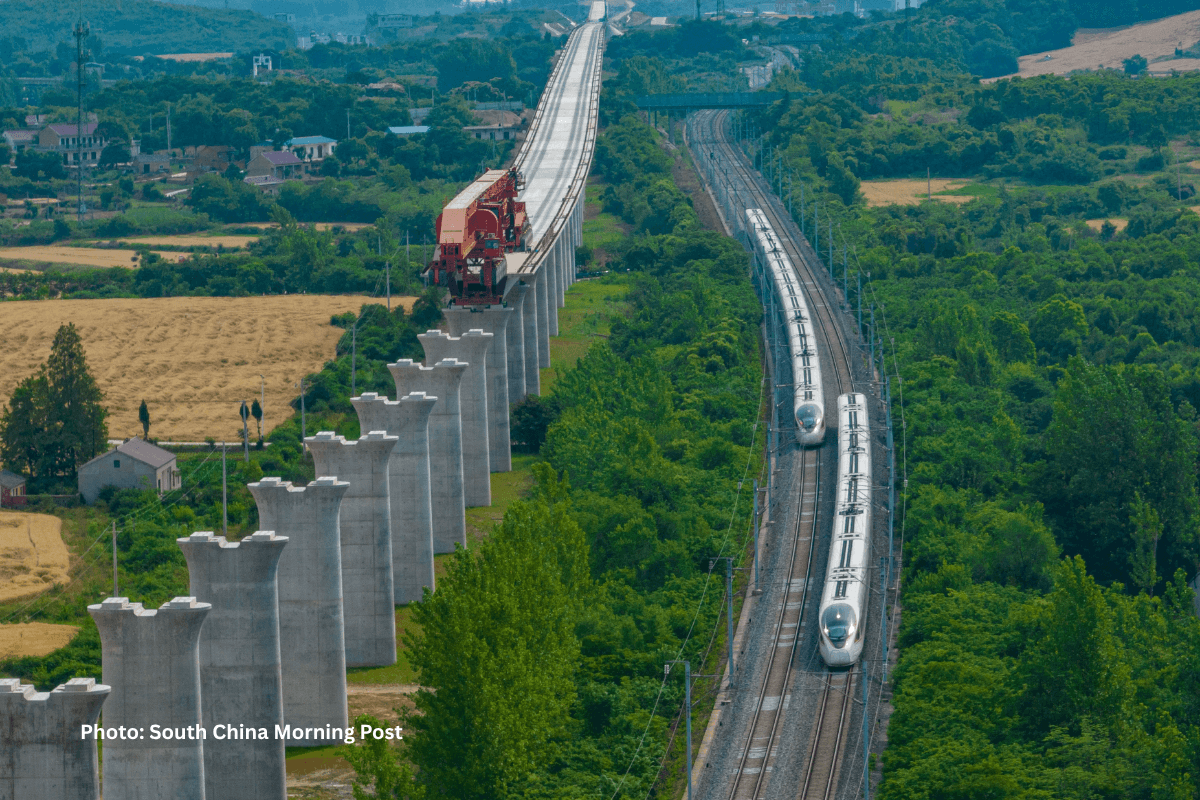
China's High-Speed Rail Network Achieves Global Dominance Through Rapid Expansion

Engineering Business Management
Share this story
China's high-speed rail network has emerged as a significant symbol of its economic and technological advancement. In less than two decades, the nation has constructed the world's most extensive high-speed rail system, fundamentally altering long-distance travel and freight.


