LONDON, May 2026 — The European rail landscape is undergoing a structural transformation as a series of unprecedented engineering projects attempt to bypass the continent’s most formidable mountain ranges. These base tunnels are designed to replace steep, winding mountain tracks with flat, high-speed alignments, fundamentally altering the economics of trans-alpine freight and international passenger travel.
Recent data highlights the immense scale of these undertakings, with the 34-mile Brenner Base Tunnel and the 36-mile Mont Cenis tunnel serving as the centerpieces of the Scandinavian-Mediterranean and Mediterranean corridors, respectively. While the Gotthard Base Tunnel has been operational since 2016, newer projects face steeper hurdles; the Brenner project is now estimated at $9.9 billion, while the Lyon–Turin link’s costs have risen to $17.7 billion with a revised completion date of 2033.
For industry stakeholders, these developments promise a quadrupling of passenger capacity on key routes and a significant modal shift for freight, yet the benefits remain contingent on the completion of essential approach lines. The European Court of Auditors has noted that major TEN-T projects have seen average cost increases of 82% and delays of up to 17 years, raising concerns that core tunnels may open before the surrounding infrastructure can support their full throughput.
Historical context suggests that while these 'audacious' projects are often viewed through the lens of engineering triumph, their ultimate success depends on harmonized market structures and access regimes. Industry experts emphasize that without competitive track access charges and robust connecting infrastructure in neighboring countries, the multi-billion-dollar investments in base tunnels may not yield the intended environmental and economic returns.
Ultimately, the completion of these mega-tunnels over the next decade will serve as a litmus test for the European Union’s ability to deliver integrated, cross-border infrastructure. As the Koralm Railway and Semmering Base Tunnel move toward operational status, the focus for the rail sector must shift from subterranean engineering to the operational integration required to make a truly borderless European rail map a reality.
Source: CNN
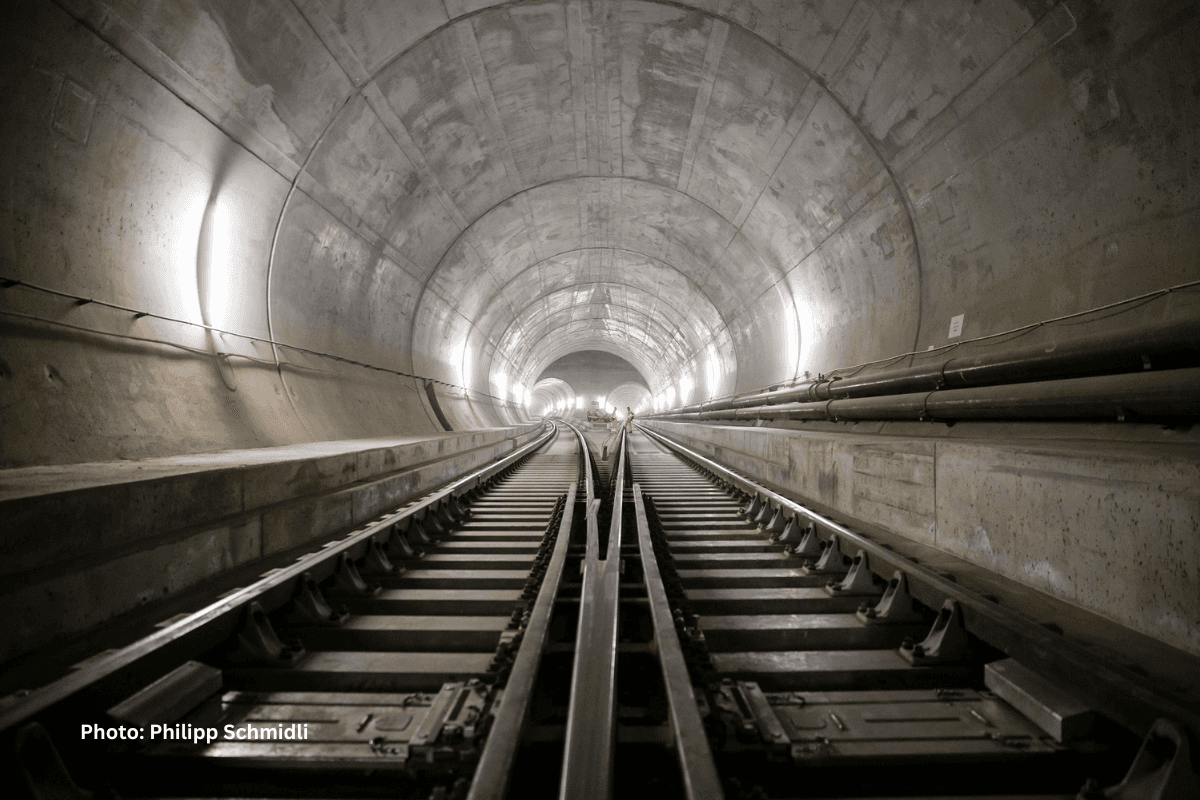
European Rail Infrastructure: Strategic Mega-Tunnels and the Challenge of Trans-European Connectivity

Engineering Business Management
Share this story
The development of high-capacity base tunnels across the Alps and the Fehmarnbelt represents a fundamental shift in European logistics and passenger rail connectivity. Major projects such as the Brenner and Mont Cenis base tunnels are currently under construction to eliminate geographic bottlenecks, though significant cost escalations and delivery delays continue to challenge the realization of the Trans-European Transport Network (TEN-T).


