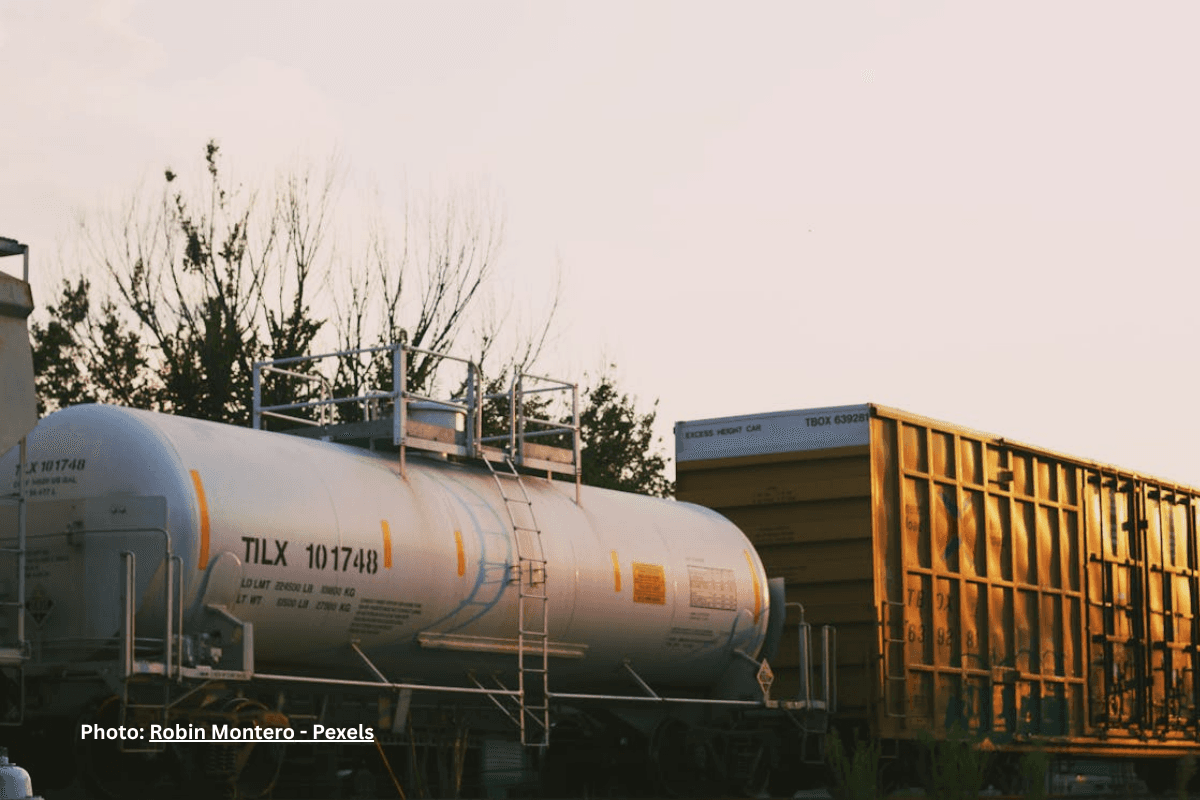
SARAWAK, April 2026 — The government of Sarawak has initiated a detailed feasibility study to explore the potential development of a rail connection linking Samalaju, Kidurong, and Bintulu in the central and northern regions of the state. This initiative focuses on evaluating the technical, economic, and environmental aspects of establishing a rail corridor to support industrial zones and port facilities, thereby enhancing economic activity in the region.
State Transport Minister Abang Johari Tun Openg has underscored the significance of this study, highlighting its aim to assess how a dedicated rail link can bolster supply chains for key heavy industries, particularly in the petrochemicals and timber processing sectors. The proposed rail infrastructure is intended to reduce reliance on road transport for bulk freight, addressing the logistical challenges and costs associated with current transport methods. The assessment process will include comprehensive consultations with a wide array of stakeholders, including representatives from various industries and community members. This collaborative approach will ensure that diverse perspectives and concerns are adequately addressed during the planning stages.
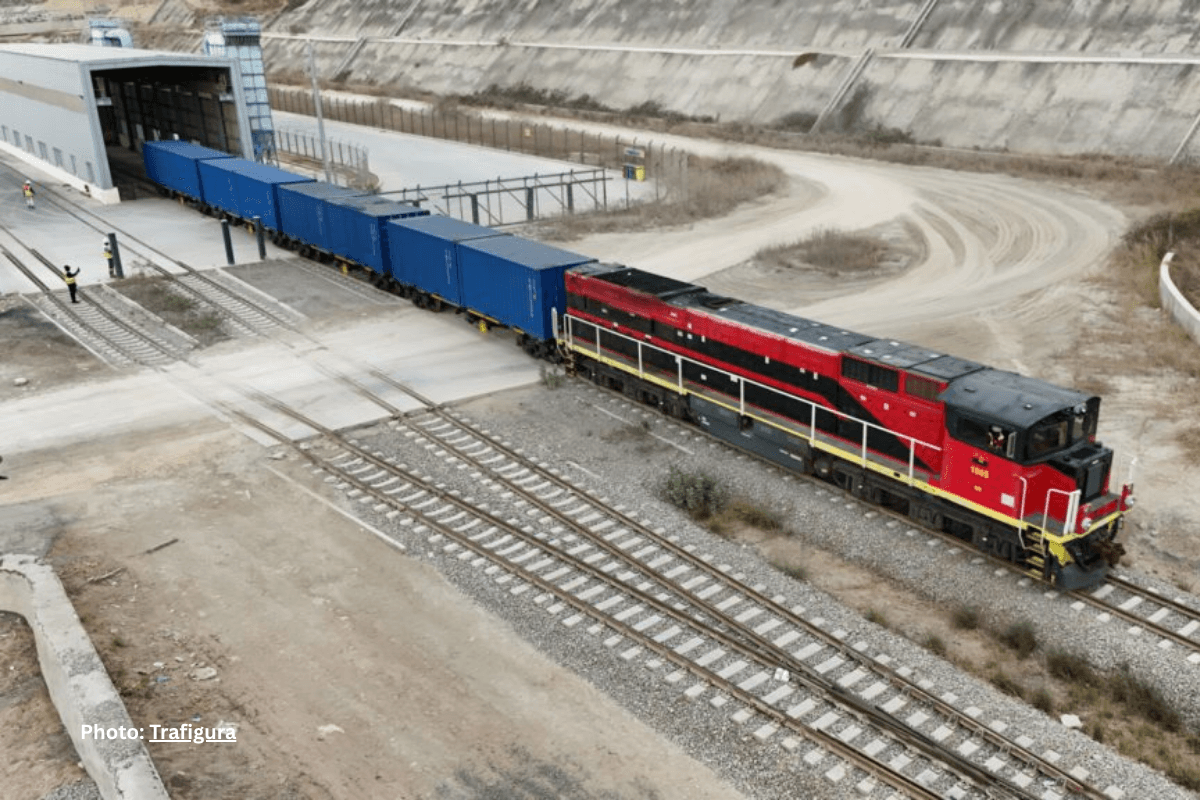
A primary objective of this initiative is to enhance connectivity between critical infrastructures, including deep-water ports, industrial parks, and resource production centres. By facilitating efficient rail-based bulk transport, this proposed rail corridor aims to reduce logistics costs, thereby improving the competitiveness of exports from Sarawak. Moreover, it seeks to enhance safety on local roads by minimising heavy truck traffic, which poses risks to the public and contributes to road maintenance challenges.
The feasibility study will take into consideration several vital factors, including terrain, land use, and environmental constraints specific to the region. Planners will conduct thorough analyses of potential rail alignments, engineering requirements, and preliminary cost estimates. This preparatory phase is essential for determining the project’s viability, including its ability to attract both public and private investment, and ensuring alignment with the broader economic development strategies for Sarawak.
If successfully implemented, the Samalaju–Kidurong–Bintulu rail link would not only address localised industrial and logistical needs but also contribute to a broader regional initiative in Southeast Asia, where new freight-oriented rail corridors are being developed. Such projects are instrumental in fostering industrial growth and promoting a shift from road to rail transportation, a transition that is critical for enhancing supply chain efficiency and significantly reducing emissions from freight transport. Ultimately, the successful realisation of this rail link has the potential to transform the region's transportation infrastructure and substantially contribute to Sarawak's economic development.

Feasibility Study Underway For Samalaju–Kidurong–Bintulu Rail Link

Engineering Business Management
Share this story
Rail infrastructure is increasingly recognised as a catalyst for economic diversification and industrial integration in resource-rich regions. In Malaysia’s Sarawak state, a proposed Samalaju–Kidurong–Bintulu rail link is now undergoing feasibility assessment, reflecting growing interest in enhancing freight and logistics connectivity along the Borneo coast.