PETALING JAYA, May 2026 — The operational reliability of mature light rail systems often hinges on the delicate intersection of legacy hardware maintenance and the phased rollout of network-wide upgrades. For the Kelana Jaya Line, this has manifested in a series of technical faults that highlight the complexities of maintaining high-frequency service while transitioning to a modernized fleet and infrastructure.
Recent data from the operator indicates that while aging trains—some approaching three decades of service—are a significant factor in reliability issues, they are not the exclusive cause of recent downtime. Technical investigations into May 2026 incidents revealed discrete failures, including a melted battery cable that triggered a network failure and a damaged motor cover that led to a Linear Induction Motor (LIM) fault. These events underscore the vulnerability of critical components within high-utilization transit environments.
To mitigate these risks, Rapid Rail has shifted toward a condition-based maintenance strategy, moving away from rigid time-based intervals to more frequent, data-driven inspections. This proactive approach is designed to identify and replace failing components before they result in line-wide stoppages, a necessary evolution for an operator managing a fleet with such diverse age profiles.
Industry stakeholders note that the current phase of instability is consistent with the 'bathtub curve' theory of reliability, where new or upgraded systems experience a higher failure rate during their initial stabilization period. This phase, expected to last up to two years, requires robust contingency planning and transparent communication with the public to maintain trust while the long-term benefits of the upgrades are realized.
Looking ahead, the full integration of 26 new train sets by 2031 represents the definitive solution to the line’s capacity and reliability constraints. Until then, the rail sector will be watching how Rapid Rail manages the integration of these assets, as it provides a case study in maintaining service continuity during large-scale technological overhauls.
Source: New Straits Times
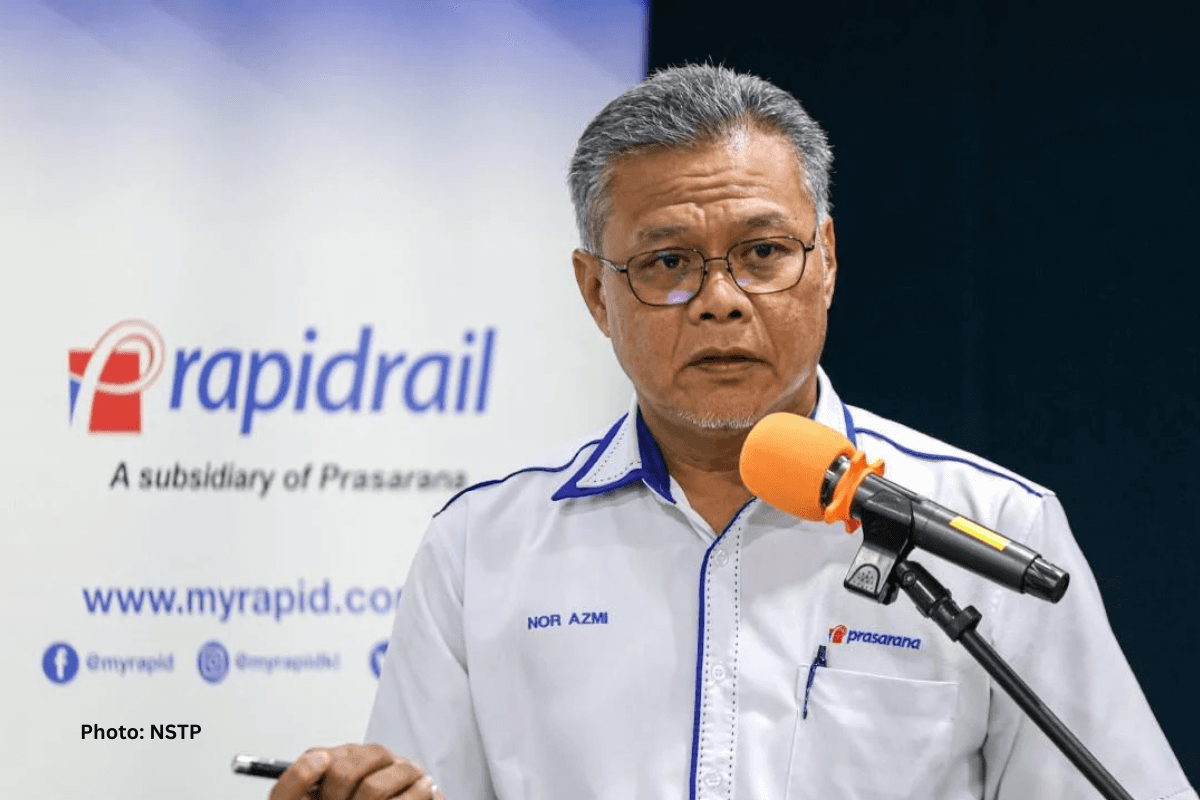
Fleet Modernization and System Integration Challenges on the LRT Kelana Jaya Line

Engineering Business Management
Share this story
As urban rail networks age, operators must balance the maintenance of legacy infrastructure with the inherent instabilities of introducing next-generation signaling and propulsion systems. Rapid Rail is currently navigating this transition on the Kelana Jaya Line, where a combination of nearly 30-year-old rolling stock and the 'bathtub curve' of new system integration has led to recent service disruptions.


