KYIV, January 2026 — Rail transport serves as a critical infrastructure component for the global movement of bulk commodities, notably including essential materials such as iron ore and ferrous metals. Fluctuations in freight volumes often serve as reflections of underlying economic conditions and geopolitical factors that significantly influence international trade dynamics.
In the most recent reporting period, rail exports of ferrous metals recorded a substantial year-on-year increase of 13%, reaching a total of 5.8 million tons. This surge can be attributed to heightened global demand and favorable market conditions in sectors that depend heavily on ferrous metals for construction and manufacturing purposes. In contrast, iron ore exports experienced a decline of 5.5%, falling to 31.2 million tons. This reduction can be linked to various factors, including shifting demand from key steel producers and market volatility that has adversely affected production levels.
Overall, rail freight within the mining and metallurgical sector witnessed a contraction of 3%, amounting to 37 million tons. This decline represents a significant departure from the substantial growth observed in the previous year and underscores the challenges being faced by mining entities amidst both external and internal pressures.
The variations in commodity transport volumes carry substantial implications for global supply chains and logistics networks. Instances of disruptions, particularly those arising from geopolitical tensions, including shelling that impacts energy infrastructure, have highlighted the vulnerabilities inherent in critical transport corridors. These disruptions not only hinder railway operations but also compromise the overall efficiency of logistics systems within the sector.
Moreover, the decrease in iron ore transport is attributable to several internal industry challenges. Escalating electricity costs and rising logistics expenses have exerted considerable financial pressure on mining companies, limiting their capacity to maintain production levels. Additional administrative challenges, including regulatory compliance and labor issues, further exacerbate these difficulties, resulting in diminished iron ore output. Consequently, this reduction in production translates into a decline in the volume of material available for rail shipment, thereby having a cascading effect on rail freight metrics.
The intricate interplay among commodity demand, operational resilience, and geopolitical stability underscores the complexity inherent in bulk rail freight operations. While the significant growth in ferrous metal exports portrays positive trends in certain markets, the overall decline observed in mining sector rail transport emphasizes the necessity for adaptability and strategic innovation in response to the evolving landscape of global commodity logistics. As industries navigate these challenges, a commitment to sustainable practices and comprehensive strategic planning will be essential for enhancing resilience and efficiency in the supply chain.
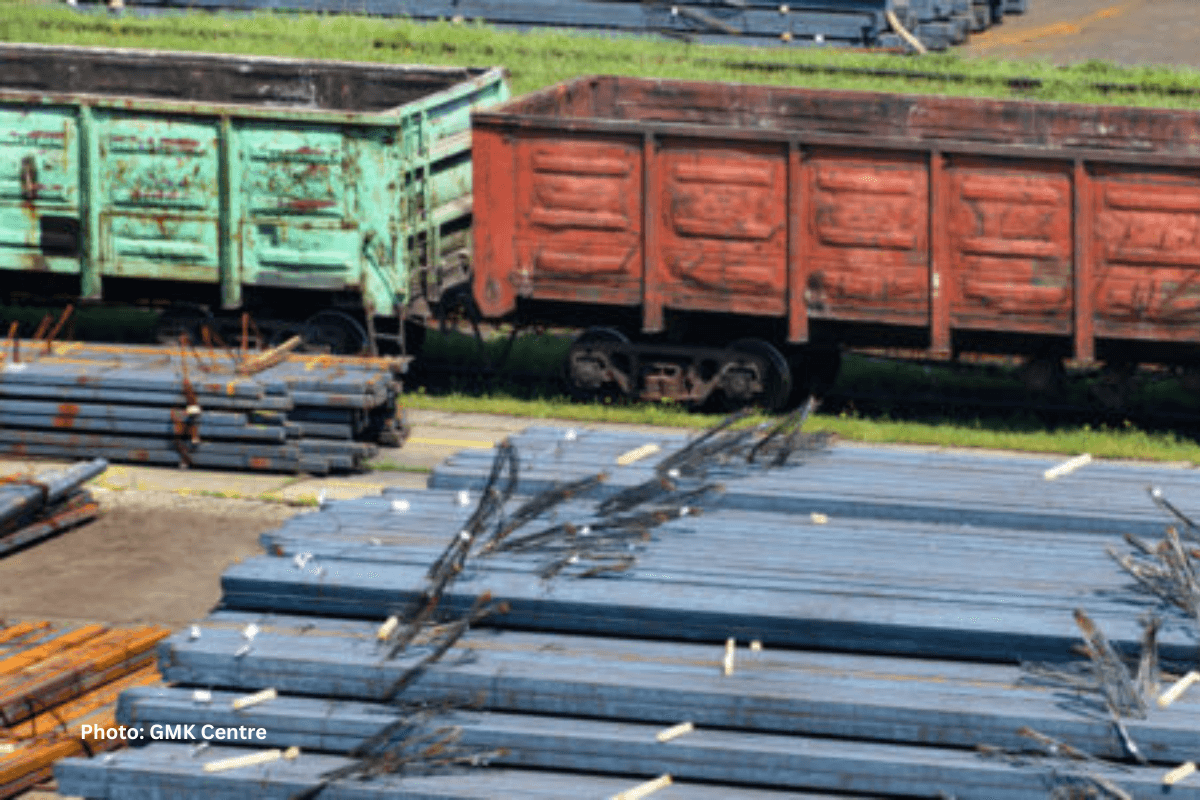
Global Rail Freight Trends: Ferrous Metals Exports Increase Amidst Iron Ore Challenges

Engineering Business Management
Share this story
Global commodity markets are witnessing shifts in rail freight demand. Recent data indicates a rise in ferrous metal exports, contrasting with a decline in iron ore shipments, impacting international trade routes.


