SHIRAOKA, January 2026 — Japan’s railway system is globally recognized for its high standards of efficiency and safety, forming a critical component of the country’s transportation infrastructure.
On January 1, 2026, a local train operated by East Japan Railway Company (JR East) collided with a car at a level crossing on the JR Utsunomiya Line in Shiraoka City, Saitama Prefecture. The train was traveling between Hiratsuka and Koga at the time of the incident. The car was severely damaged, and part of the train’s cars partially derailed as a result of the impact. A person inside the vehicle was trapped, and rescue operations were immediately underway. The individual was later extricated and transported to hospital, reportedly conscious.
Because of the collision and derailment, services on the Utsunomiya Line were suspended in both directions between Tokyo and Utsunomiya stations, affecting many commuters and potentially disrupting freight movements on the line. JR East confirmed that operations were halted as a safety measure and that restoration work would take time.
This accident underscores the inherent risks at level crossings, even within one of the world’s most advanced rail networks. While Japan’s railways generally maintain an excellent safety record, such incidents highlight the ongoing challenges of preventing accidents and ensuring the safety of passengers and the public at all operational points.
Source: The Straits Times
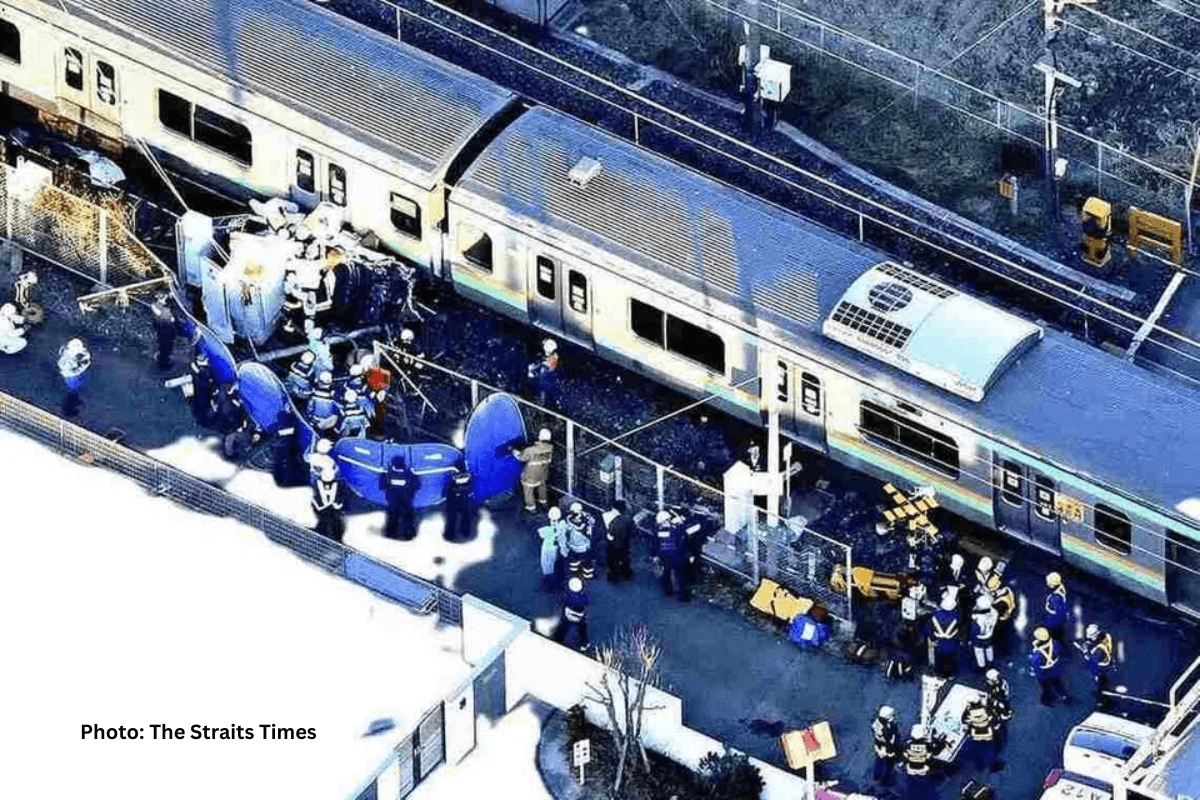
Japan Rail Incident Underscores Operational Safety Concerns on Key Lines

Engineering Business Management
Share this story
Maintaining robust safety protocols is crucial for the reliability of Asia's extensive rail networks. A recent collision involving a local train and a car in Japan's Saitama prefecture has led to service suspensions. This event underscores the persistent need for vigilance in operational safety across the region.


