JAPAN, January 2026 — As transportation networks across Asia continue to evolve, Japan's steadfast commitment to modernising its extensive rail system serves as a significant indicator of regional infrastructure development trends. In the forthcoming fiscal year, a series of targeted improvements is planned to enhance local accessibility and operational efficiency across the country's varied rail lines.
Key infrastructure projects slated for completion by fiscal 2026 include the extension of the Okayama Electric Tramway to JR Okayama Station, which is intended to improve transit options for both local commuters and visitors to the area. In Gunma Prefecture, the introduction of the new Toyooka Daruma Station on the Shinetsu Main Line will provide vital access to a rapidly developing residential area, thereby enhancing connectivity to major urban centres. Furthermore, the opening of Tafū Station on the Takamatsu-Kotohira Electric Railroad in Kagawa Prefecture is projected to facilitate increased mobility for both tourists and residents, making travel within this region more efficient. Additionally, the resumption of suspended services on the Riku-U West Line, part of JR East’s network, is expected to alleviate congestion on alternative routes and improve service reliability.
These developments are designed not only to enhance passenger convenience and reduce congestion at current transit hubs but also to establish more direct routes for daily commuters and tourists. The focus on the addition of stations and the restoration of previously suspended lines underscores a strategic commitment to optimising existing infrastructure in response to escalating demand, thereby enhancing overall network functionality and passenger experience.
While these initiatives do not propose the introduction of entirely new high-speed rail corridors, they represent a substantial investment in the enhancement of local public transport systems. This strategic approach reflects a broader trend in rail development that emphasises incremental yet significant upgrades to effectively serve communities and modernise Japan's rail infrastructure.
In a wider context, these initiatives resonate with the regional trend of investing in rail systems as a sustainable and efficient means of transportation. Such investments are crucial for stimulating economic growth and improving connectivity across the continent, thereby supporting the increasing mobility of individuals and goods amid rapid urbanisation and considerations related to climate change.
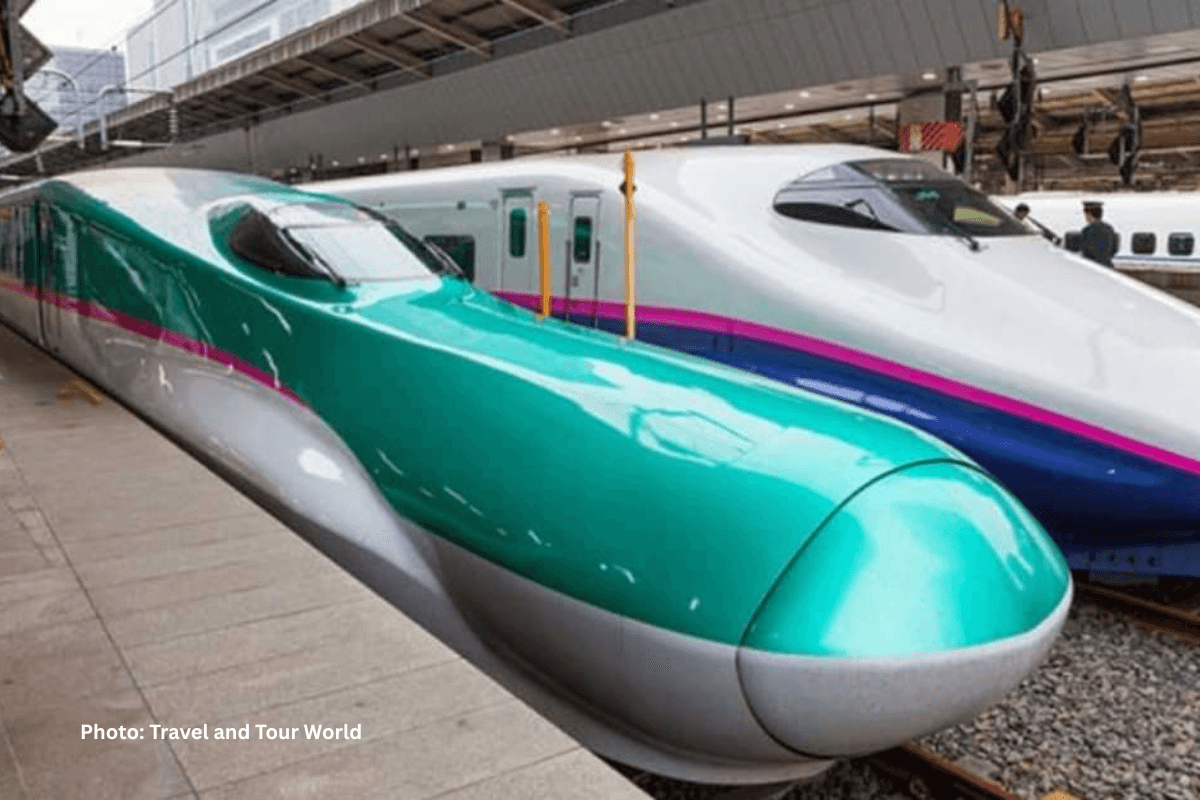
Japan's 2026 Rail Enhancements Signal Continued Asian Infrastructure Growth

Engineering Business Management
Share this story
Asia's rail sector continues its robust expansion. In 2026, Japan will introduce several key station upgrades and line restorations, enhancing regional connectivity and passenger experience.


