TOKYO, January 2026 — The long-term viability of regional railway networks is a significant challenge for transportation authorities worldwide, particularly in nations with extensive rail infrastructure. In Japan, the major Japan Railways (JR) groups are actively engaged in dialogues with local governments to address the financial sustainability of numerous lines that are experiencing persistent deficits.
These ongoing discussions center on finding collaborative solutions for railway routes that are crucial for local communities but struggle to cover operational expenses. The objective is to develop strategies that ensure the continued provision of essential rail services while mitigating financial burdens on both the JR companies and the municipalities they serve.
The outcomes of these negotiations are critical for maintaining regional connectivity and accessibility. Stakeholders are focused on how these discussions might lead to revised service models, potential infrastructure investments, or the exploration of new partnerships to secure the future of these vital transport arteries.
While the specifics of the financial challenges and proposed remedies remain under discussion, the continuous engagement highlights the complex interplay between public service mandates and economic realities within the rail industry. This situation reflects the broader need for innovative approaches to regional rail management.
This focus on the financial health of Japan's regional rail lines mirrors a global trend where transport operators and governments are increasingly collaborating to devise sustainable models for essential infrastructure, ensuring they can continue to serve communities effectively in the face of evolving economic and demographic pressures.
Source: The Japan Times
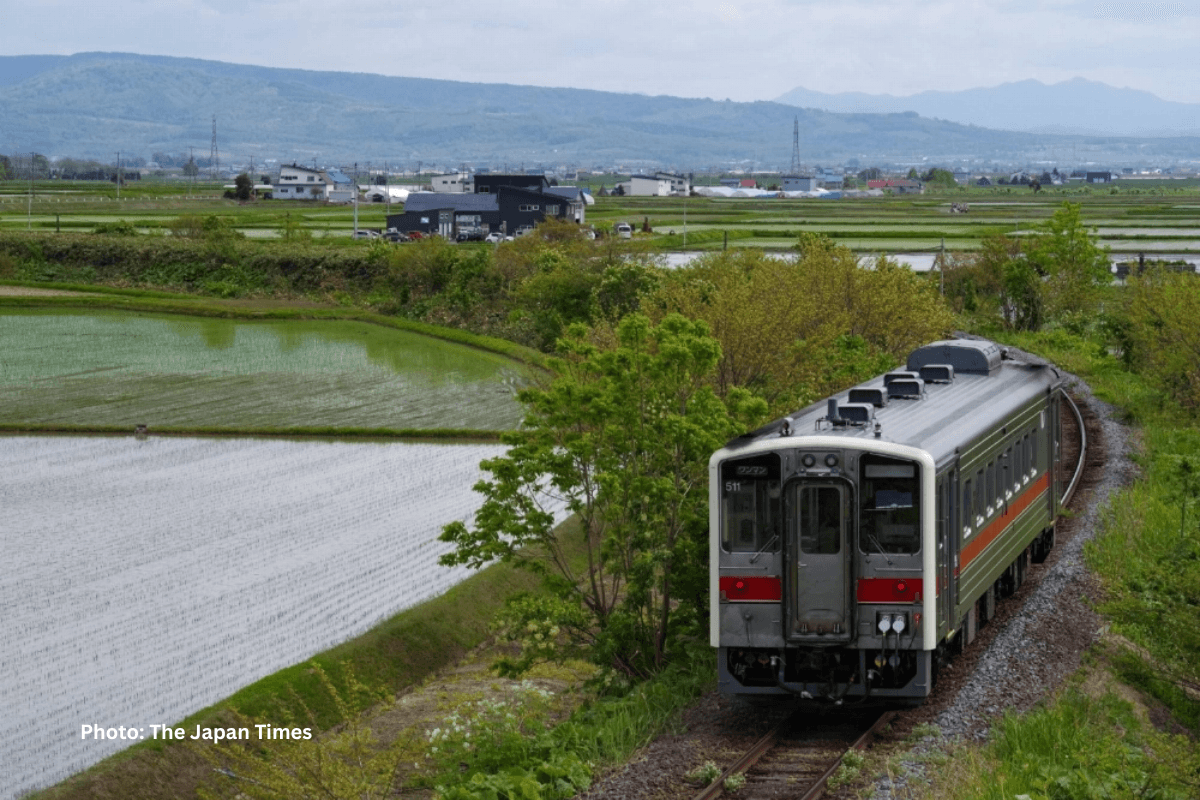
Japan's JR Companies and Local Governments Convene to Address Unprofitable Railway Line Viability

Engineering Business Management
Share this story
Maintaining essential regional transport infrastructure presents a global challenge. In Japan, JR companies are actively engaging with local governments to find solutions for financially struggling railway lines, crucial for ensuring continued connectivity and service provision in rural areas.


