TOKYO, January 2026 — Japan has established itself as a leader in high-speed rail technology, with the L0 Series maglev train representing a significant advancement in this field. This development is particularly relevant to Asia, a continent actively expanding its high-speed rail networks and exploring innovative solutions to enhance connectivity and efficiency.
The L0 Series, developed by Central Japan Railway Company, currently holds the title of the fastest train in the world, reaching up to 375 mph (603 km/h) using advanced magnetic levitation technology. This technology effectively eliminates friction between the train and the track, allowing for smoother and faster travel. The potential deployment of the L0 Series in the United Kingdom could drastically reduce travel times, exemplified by the possibility of completing a journey from London to Edinburgh in approximately one hour. This capability not only highlights Japan's expertise in rail engineering but also suggests significant implications for global transportation by improving travel efficiency.
The advancements represented by the L0 Series have direct implications for rail operators and infrastructure planners throughout Asia. As nations in the region invest substantially in modernizing their transportation systems, they seek to adopt technologies that prioritize speed, comfort, and operational efficiency. Furthermore, the design of the L0 Series emphasizes cleaner energy utilization and reductions in environmental impact, aligning with the strategic goals of many Asian countries. These nations increasingly recognize the necessity of sustainable transportation solutions to support growing urban populations and economic development.
Nonetheless, the L0 Series project encounters considerable challenges. The estimated cost of £52 billion for the development and implementation of this maglev system is substantial, especially when considering the complexities involved in establishing the requisite infrastructure. This issue is further magnified when compared to the rapid and extensive expansion of high-speed rail networks in countries such as China, which has made significant investments in developing advanced rail systems and technologies.
The L0 Series maglev train not only exemplifies Japan's commitment to innovation in transportation but also underscores the ongoing global competition to redefine high-speed rail travel. Its advancements in speed and technology serve as a benchmark, influencing the future direction of rail development across Asia. As the region continues to allocate considerable resources to infrastructure investment, the insights gleaned from the L0 Series may provide valuable guidance for other countries in their pursuit of faster, more integrated, and sustainable transportation systems that meet the demands of the modern era.
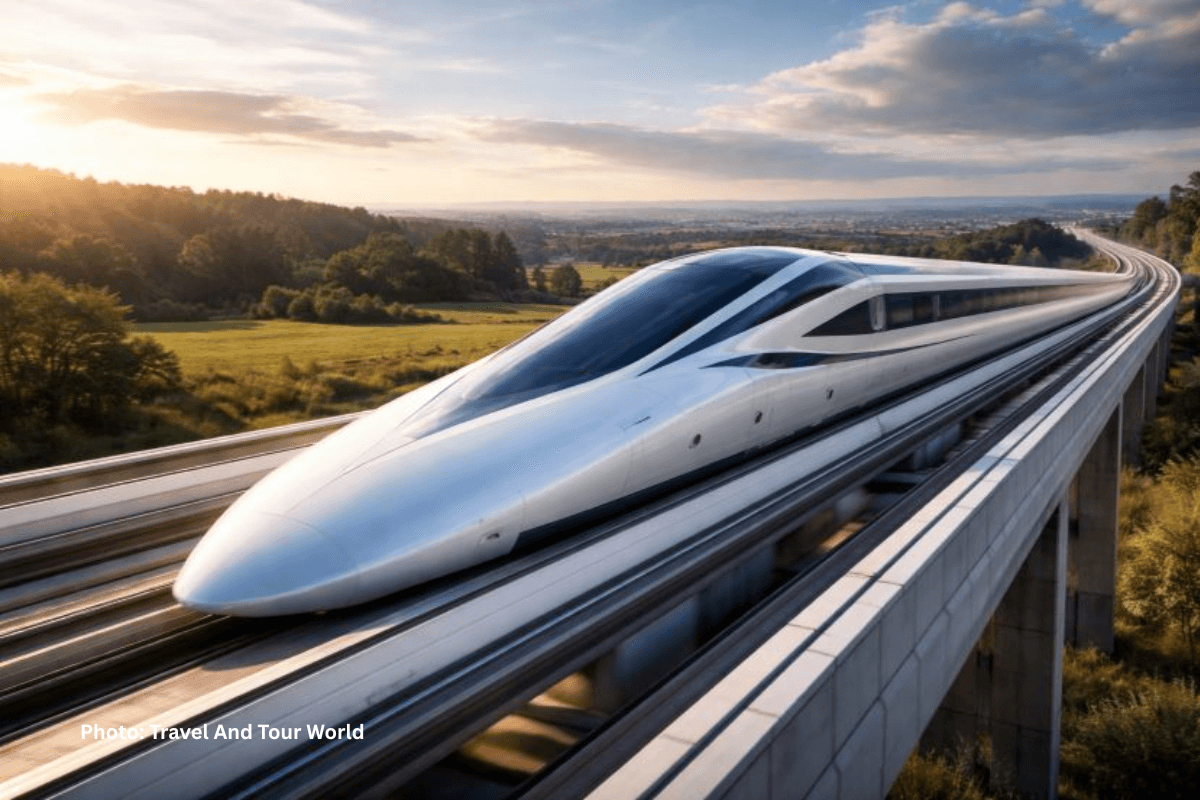
Japanese Maglev Technology Paves Way for Next-Generation Asian High-Speed Rail

Engineering Business Management
Share this story
Asia continues to lead global high-speed rail development, with a focus on advanced technologies. Japan's L0 Series maglev train, capable of 375mph, exemplifies this technological frontier and could influence future projects across the region.


