Asia continues to lead global investment in rail infrastructure, with ambitious projects for high-speed and urban transit systems underway across the continent. Ensuring the long-term safety and reliability of these extensive networks is a critical challenge for governments and industry stakeholders alike.
In Spain, a recent discovery of a track fault on the busy Madrid-Barcelona high-speed line led to a significant speed reduction to 80 km/h. Transport authorities identified a crack in the track between Alcover and l'Espluga de Francolí, prompting immediate safety measures. This occurred in the context of previous speed adjustments on other lines and following a fatal high-speed collision earlier in the month.
Such incidents underscore the importance of proactive track inspection and maintenance for all rail operators, including those in Asia. For countries investing heavily in new high-speed lines, understanding the potential failure points and implementing rigorous quality control during construction and operation is essential to prevent disruptions and ensure passenger safety.
The investigation into a prior fatal crash in Spain pointed to a potential issue with a welded section of track, manufactured recently but joined to older infrastructure. This highlights that even new components can fail if not properly integrated, a concern for any rail system relying on complex track infrastructure.
As the global rail industry strives for greater efficiency and connectivity, adherence to stringent international safety standards and continuous investment in advanced monitoring technologies are vital. These European events serve as a reminder that operational excellence in rail hinges on unwavering attention to the fundamental integrity of the physical infrastructure.
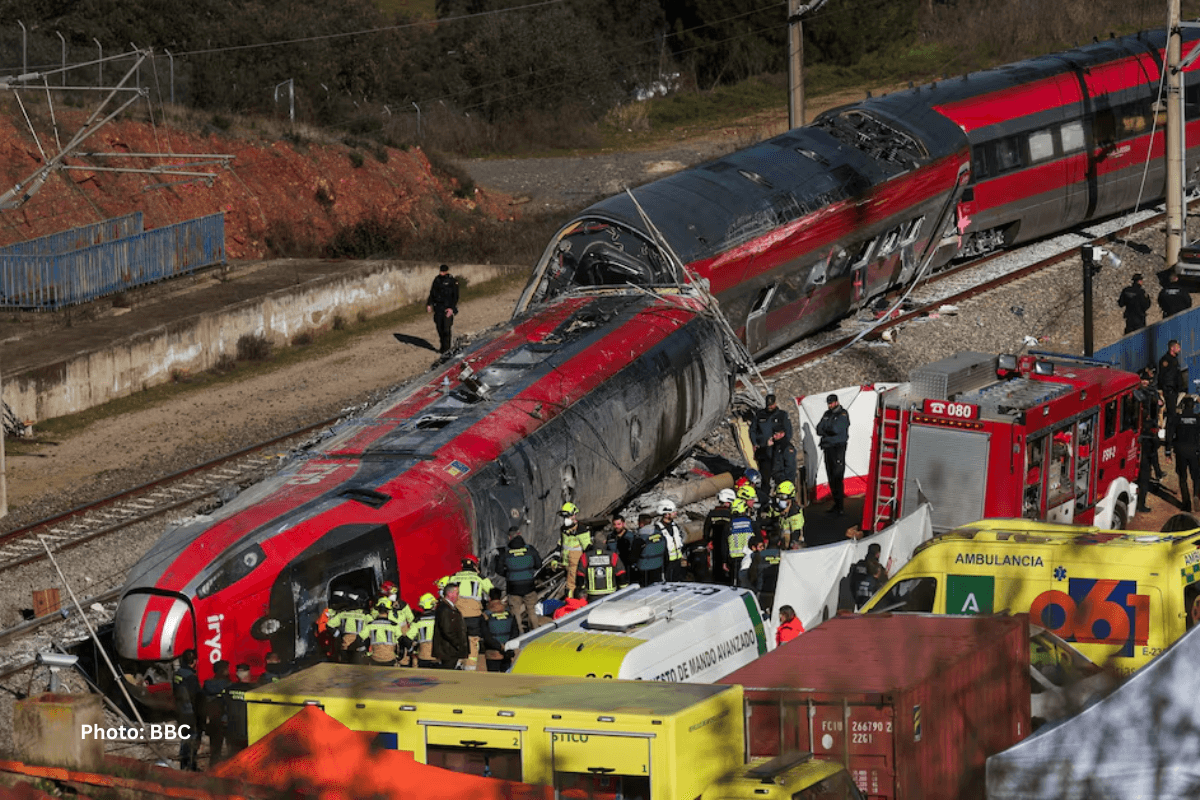
Maintaining High-Speed Rail Integrity: A Global Perspective for Asian Networks

Engineering Business Management
Share this story
As Asian nations rapidly expand their high-speed rail networks, maintaining track integrity is paramount. Recent incidents in Europe highlight the critical need for robust maintenance protocols to ensure safety and operational reliability.


