Philippines, October 2026 — The Philippines has received its third NSCR trainset, while a fourth has arrived in the country, supporting preparations for testing and commissioning ahead of the railway’s planned partial opening between Valenzuela and Malolos in the fourth quarter of 2027.
The NSCR will form a 147-kilometre, double-track, electrified railway connecting New Clark City and Clark International Airport in Pampanga with Metro Manila and Calamba in Laguna. The system is planned to have more than 35 stations and will provide connections with existing LRT and MRT lines as well as the future Metro Manila Subway.
Thirteen eight-car electric multiple-unit trainsets are being supplied by a Japan Transport Engineering Company (J-TREC) and Sumitomo joint venture. Each trainset can accommodate up to 2,288 passengers, while seven trainsets are expected to be available in the Philippines by September 2027 for testing, commissioning and operational-readiness activities.
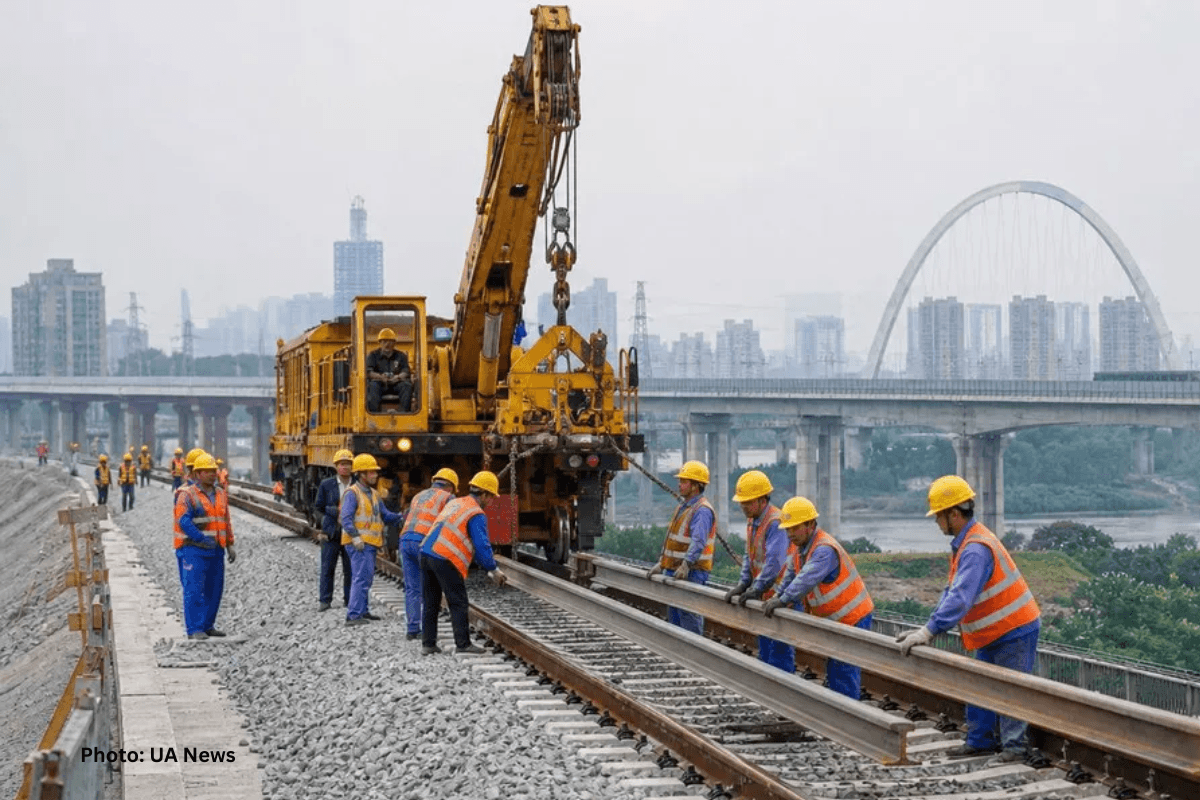
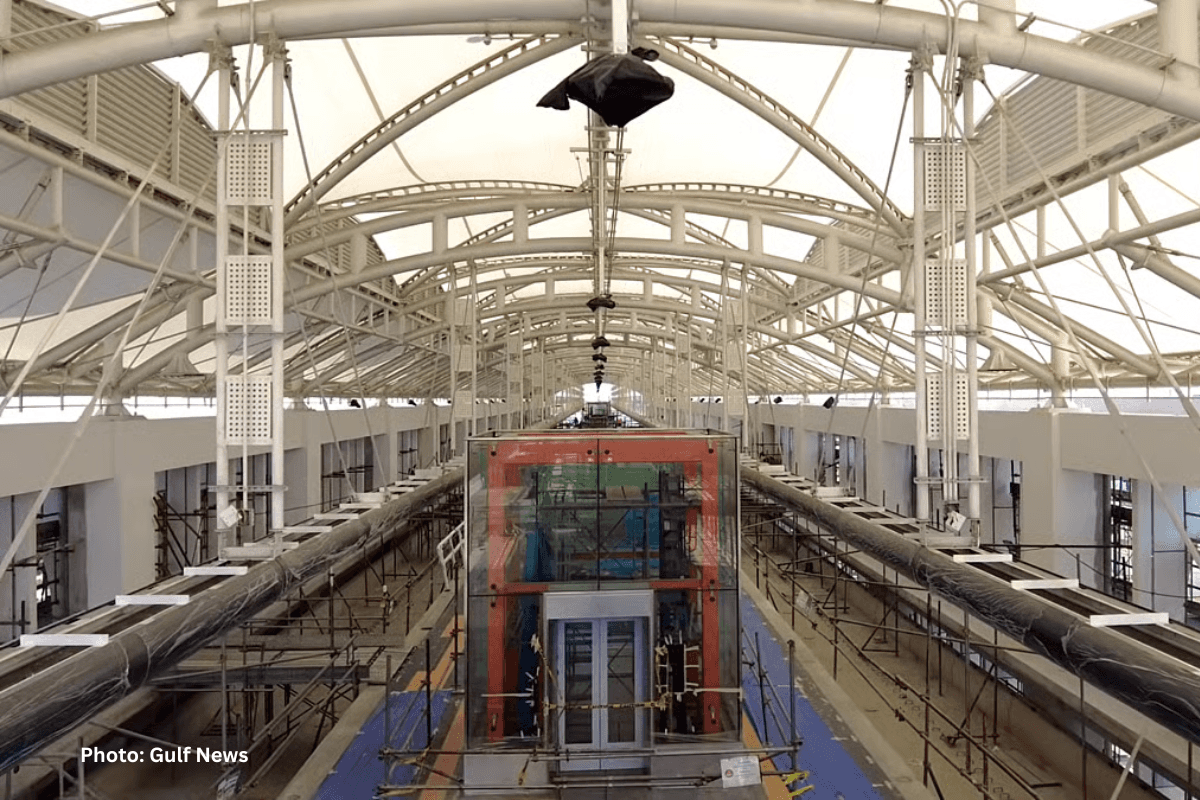
Construction is continuing across the alignment, with the Clark underground station reported at 73.29% completion as of September 2026. The revised government schedule targets further partial operations from Malolos to Clark in the fourth quarter of 2028, followed by Clark–Solis and Alabang–Calamba sections in 2031, with full Clark–Calamba operations targeted for the third quarter of 2033.
Once fully operational, the NSCR is projected to handle around 800,000 passengers daily. The railway is also intended to strengthen connections between major economic centres across Luzon, while forming a key component of the Luzon Economic Corridor and providing interchange opportunities with Manila’s wider urban rail network.
Source: Gulf News
Philippines Advances NSCR Toward 2027 Partial Operations

Journalism & Media
Share this story
The Philippines is moving closer to the phased opening of its North-South Commuter Railway (NSCR), with additional electric trainsets arriving as construction and station works progress. The 147-kilometre railway is targeted to begin partial operations in December 2027, connecting Central Luzon, Metro Manila and Calabarzon.