Philippines, October 2026 — The Philippine government is stepping up railway workforce training as major infrastructure projects increase demand for qualified personnel. Through the Philippine Railways Institute (PRI), the Department of Transportation is working to prepare employees for the operational and technical requirements of the country’s expanding rail network.
Since its establishment in 2019, the PRI has trained nearly 5,000 railway personnel, including workers from Light Rail Transit Lines 1 and 2, Metro Rail Transit Line 3, MRT-7, Philippine National Railways and railway service providers. The training is intended to establish more consistent technical standards across operators and strengthen capabilities in railway safety, operations and maintenance.
The projected workforce requirement of approximately 20,000 personnel reflects the scale of railway development underway in the country. Projects such as MRT-7, the North–South Commuter Railway (NSCR) and the Metro Manila Subway will require trained staff across a range of disciplines, from train operations and signalling to track maintenance, power supply and passenger management.
To support practical learning, the PRI operates training facilities in Valenzuela City featuring train simulators, mock-up station platforms, bridge and tunnel models, signalling equipment and rolling stock training resources. Its programmes cover train driving, railway infrastructure, ticketing systems, passenger handling and other technical functions needed to support safe and reliable service delivery.
The workforce expansion presents an opportunity to develop domestic railway expertise as the Philippines transitions from building new infrastructure to operating a larger network. Meeting the demand will depend on sustained training capacity, recognised certification standards and coordination between government agencies, railway operators and project contractors. Building a skilled workforce will be essential to ensuring that new railway investments translate into dependable passenger services over the long term.
Source: Manila Standard
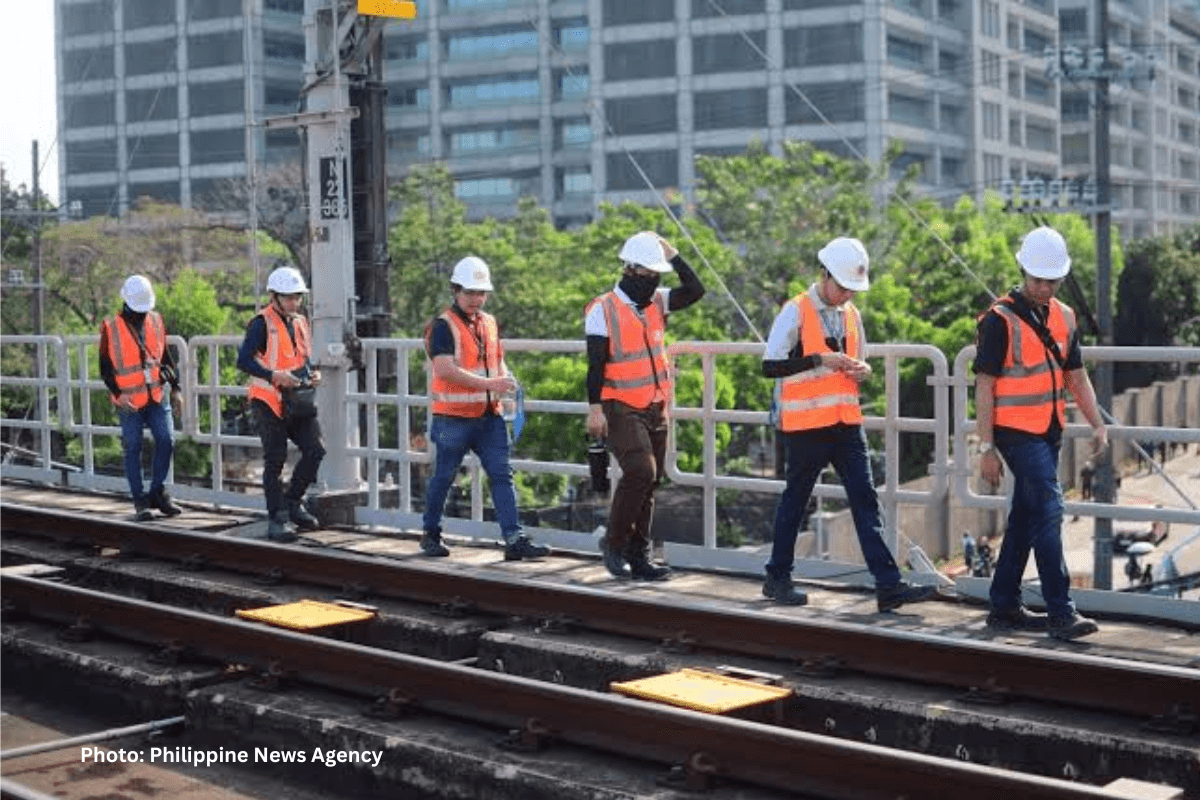
Philippines Needs 20,000 Railway Workers To Support Network Expansion

Journalism & Media
Share this story
The Philippines is expanding its railway infrastructure, creating a growing need for skilled personnel to operate, maintain and manage new services. The Department of Transportation (DOTr) estimates that the country will need around 20,000 railway workers for existing and upcoming projects, prompting efforts to strengthen technical training and workforce development.


