Philippines, September 2026 — The Department of Transportation (DOTr) expects the country’s major railway lines to eventually carry as many as five million passengers per day, reflecting the scale of the Philippines’ ongoing investment in urban and intercity rail infrastructure. The projection was presented alongside the proposed PHP300.96 billion DOTr budget for 2027.
The expected passenger volume will be supported by several major projects currently under development or construction, including the North-South Commuter Railway (NSCR), Metro Manila Subway and other urban rail lines. The government is positioning these projects as part of a broader effort to increase public transport capacity and provide alternatives to road-based travel.
The NSCR is expected to become a major component of the national rail system, connecting communities north and south of Metro Manila. The Metro Manila Subway, meanwhile, is being developed as a high-capacity urban railway intended to improve connectivity across the capital region and provide additional capacity on one of the Philippines’ most congested transport corridors.
The projected five million daily passengers represents the potential combined demand across major railway services rather than the current passenger volume of the national network. Achieving this level will depend on the timely completion of projects, integration between lines, station accessibility, service frequency and the ability of the wider public transport network to support rail interchanges.
For the rail sector, the projection highlights the Philippines’ shift toward a larger, interconnected railway system after years of limited rail expansion. As new lines progress toward operation, passenger capacity, network integration and reliable service delivery will become increasingly important to determining how effectively the expanded infrastructure serves metropolitan and regional mobility needs.
Source: Philippine News Agency
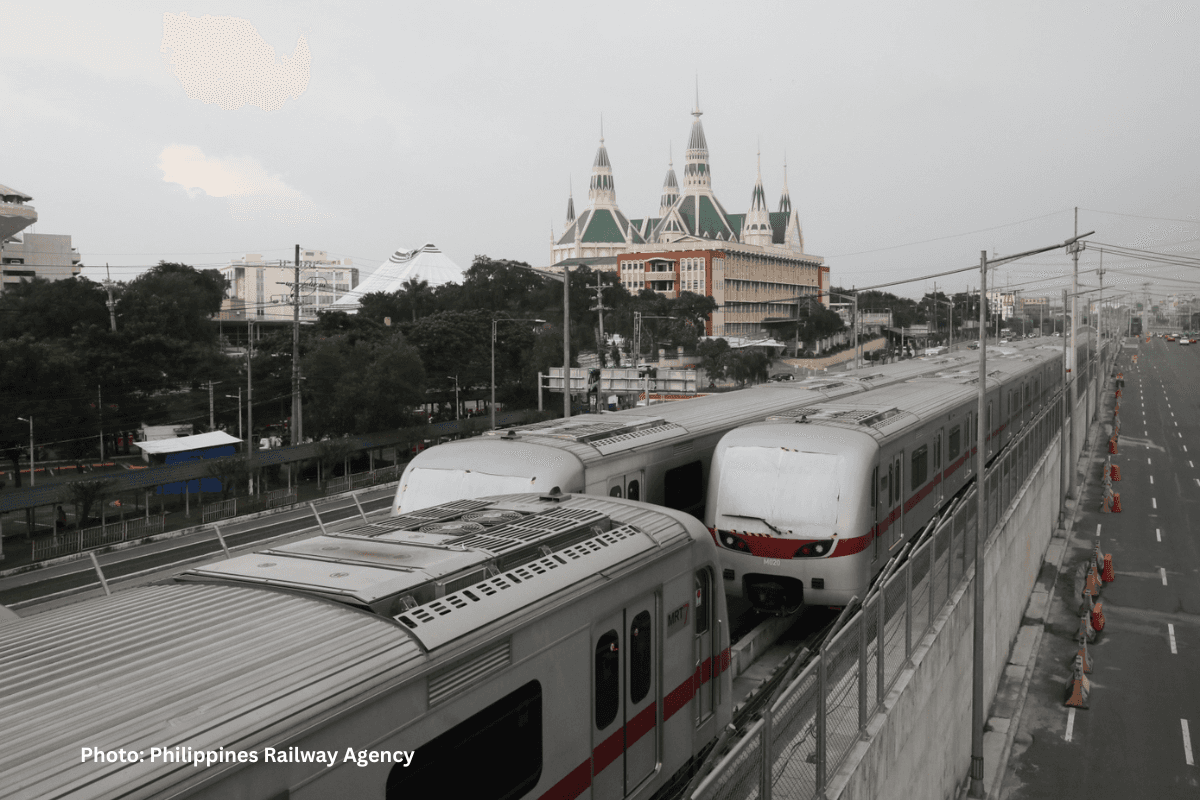
Philippines Projects Five Million Daily Rail Passengers As Network Expands

Journalism & Media
Share this story
The Philippines is expanding its railway network to increase mass-transit capacity and reduce pressure on congested urban transport corridors. The Department of Transportation expects the country’s major rail lines could eventually serve up to five million passengers daily as new metro and commuter railway projects enter operation.