KUALA LUMPUR, May 2026 — The reliability of automated light rail systems depends heavily on the seamless interaction between rolling stock and trackside safety mechanisms. Recent operational challenges in the Klang Valley highlight the vulnerability of these systems to localized mechanical failures that can disrupt high-frequency transit corridors.
Preliminary investigations into the recent service interruption identified a damaged linear induction motor (LIM) cover on train number 92 as the primary cause of the immobilization. The damage occurred while the vehicle was at the Kelana Jaya platform, necessitating an immediate halt to services to prevent further technical degradation.
Operational decisions prioritized long-term infrastructure health, as technicians determined that moving the disabled train could have severely compromised the signaling system. Furthermore, there was a significant risk of damaging the platform intrusion emergency stop (PIES) system, which is essential for passenger safety on the tracks.
This incident underscores the necessity of rigorous preventative maintenance schedules for aging urban rail fleets. By conducting a fleet-wide audit, the operator aims to identify potential systemic weaknesses in LIM housing and related components that could lead to similar failures across the network.
Moving forward, the findings from the ongoing root cause analysis are expected to inform updated operational procedures and technical mitigation strategies. Such measures are vital for enhancing the resilience of metropolitan rail networks against unforeseen mechanical disruptions and ensuring consistent service delivery.
Source: Free Malaysia Today
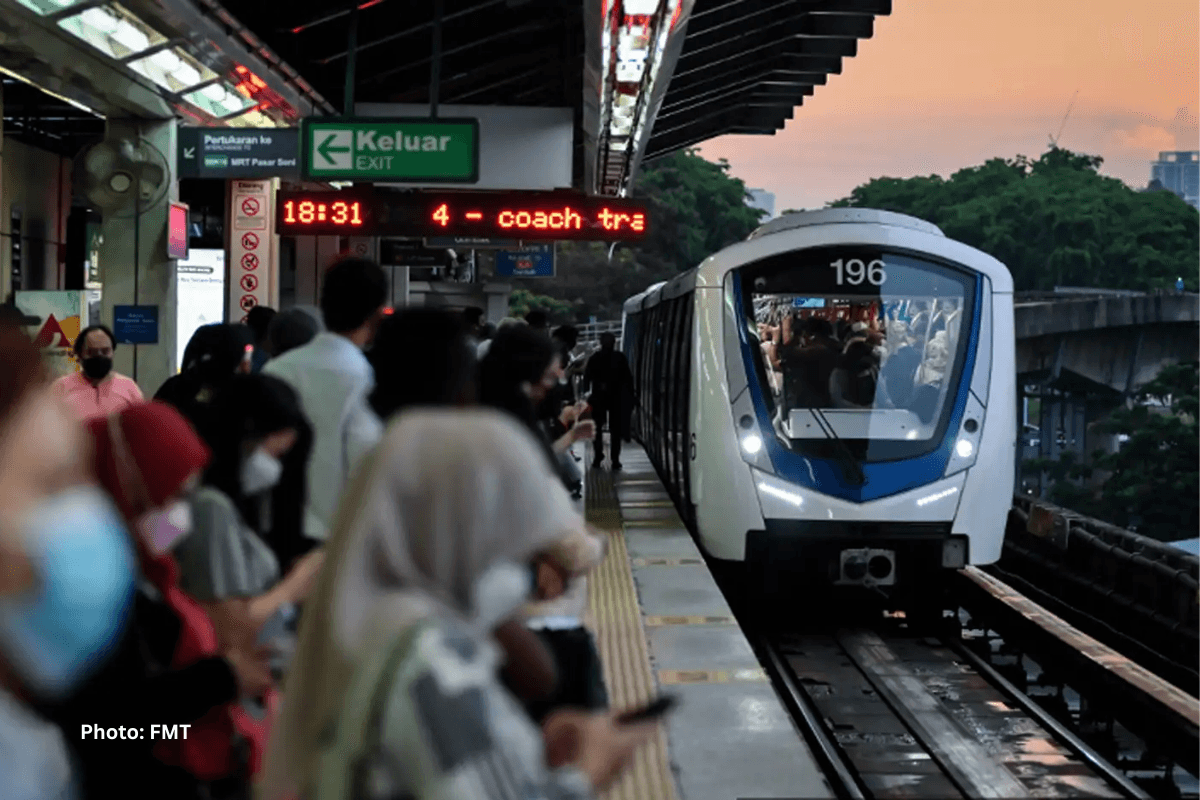
Rapid Rail Initiates Fleet-Wide Inspections Following Kelana Jaya LRT Component Failure

Engineering Business Management
Share this story
Maintaining infrastructure integrity is critical for urban rail reliability, as even minor component failures can lead to significant operational paralysis. Rapid Rail has launched a comprehensive fleet-wide inspection and root cause analysis after a damaged linear induction motor (LIM) cover immobilized a train at Kelana Jaya station.


