MOSCOW, May 2026 — The Eurasian rail landscape is facing a period of intense volatility as state-driven pricing mechanisms are leveraged to address internal fiscal deficits and regional competition. For infrastructure managers and logistics providers, the stability of northern transit corridors is now under direct pressure from shifting regulatory frameworks in the East.
Under the newly registered FAS Order No. 306/26, a 2.0 multiplier will be applied to standard transport costs for all freight moving toward Russian land border crossings with export codes for Estonia, Latvia, and Finland. While shipments to Kaliningrad and Lithuania remain exempt, the order specifically closes loopholes for cargo routed via Belarus. Crucially for private operators, the inclusion of even a single railcar or container destined for the affected countries will trigger the doubled infrastructure and locomotive charges for the entire train consist.
These measures present immediate financial risks for rail stakeholders, particularly private carriers who may face prohibitive cost increases due to mixed-destination manifests. The doubling of track access fees is likely to accelerate a modal shift toward maritime routes or lead to a total cessation of certain rail transit services. Furthermore, the increased overhead for locomotive services will likely be passed down to shippers, impacting the price competitiveness of Central Asian goods reaching European markets.
Industry analysts suggest that the move by Russian Railways is a response to severe financial shortfalls, including halted capital investments and workforce reductions. By exploiting its position as a state monopoly, the carrier is seeking to extract maximum revenue from transit cargo that increasingly originates from outside Russia. This strategy serves a dual purpose: generating immediate liquidity for the state carrier while simultaneously pressuring neighboring nations and incentivizing the use of domestic Russian ports over Baltic alternatives.
This development reflects a broader trend of using rail infrastructure as a tool for economic leverage within the global transport sector. As cross-border rail agreements become increasingly fragmented, the industry must prepare for a future where tariff structures are dictated as much by political objectives as by operational costs. The long-term viability of the Baltic rail corridor now depends on the ability of regional players to adapt to a significantly higher cost environment.
Source: ERR News
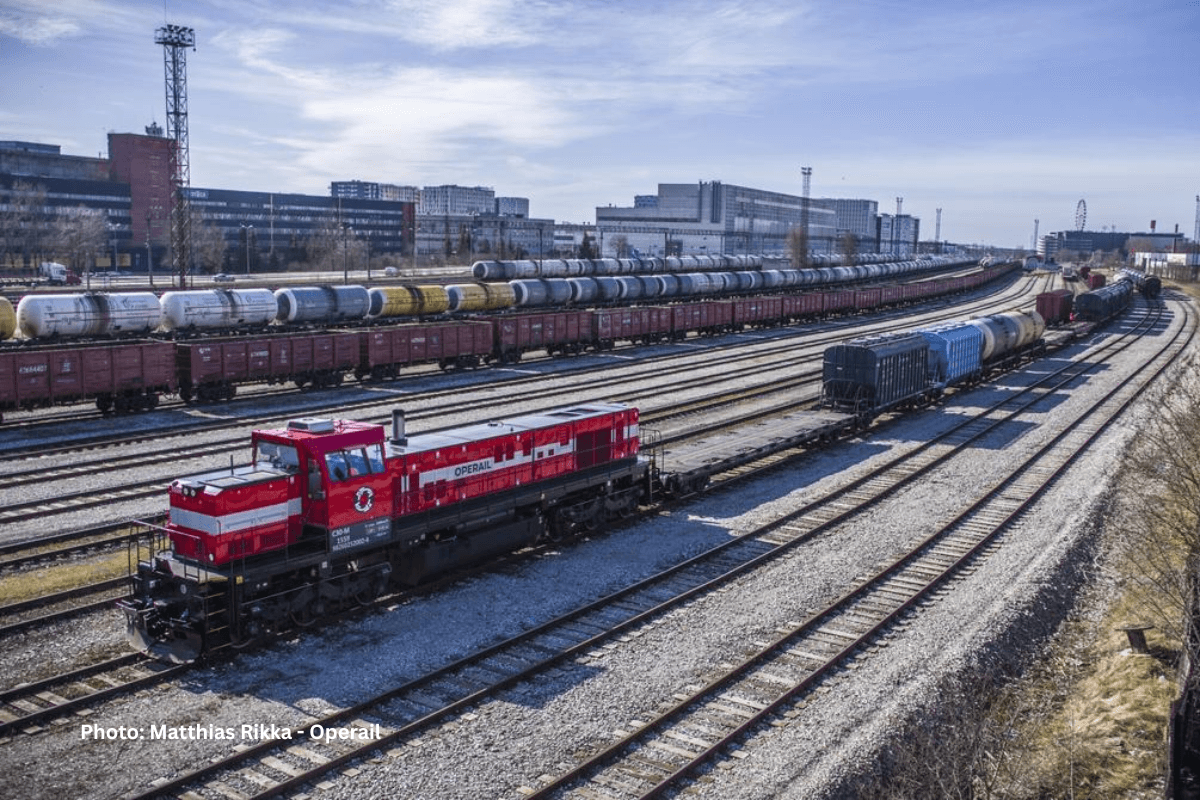
Russia Implements Double Rail Freight Tariffs for Baltic and Finnish Transit

Engineering Business Management
Share this story
As geopolitical tensions continue to reshape Eurasian logistics, the sudden escalation of transit costs signals a strategic shift in cross-border rail operations. Russia’s Federal Antimonopoly Service has officially mandated a doubling of freight tariffs for cargo destined for Estonia, Latvia, and Finland, effective June 1, 2026. This regulatory move is expected to significantly disrupt existing supply chains and force a reassessment of rail-based transit through the Baltic region.