SINGAPORE, April 2026 — Urban rail systems are increasingly adopting artificial intelligence to manage complex, high-frequency operations, with predictive maintenance emerging as a key lever to reduce disruptions and optimise lifecycle costs. SMRT Corporation’s latest initiative reflects this broader industry transition towards data-centric railway operations.
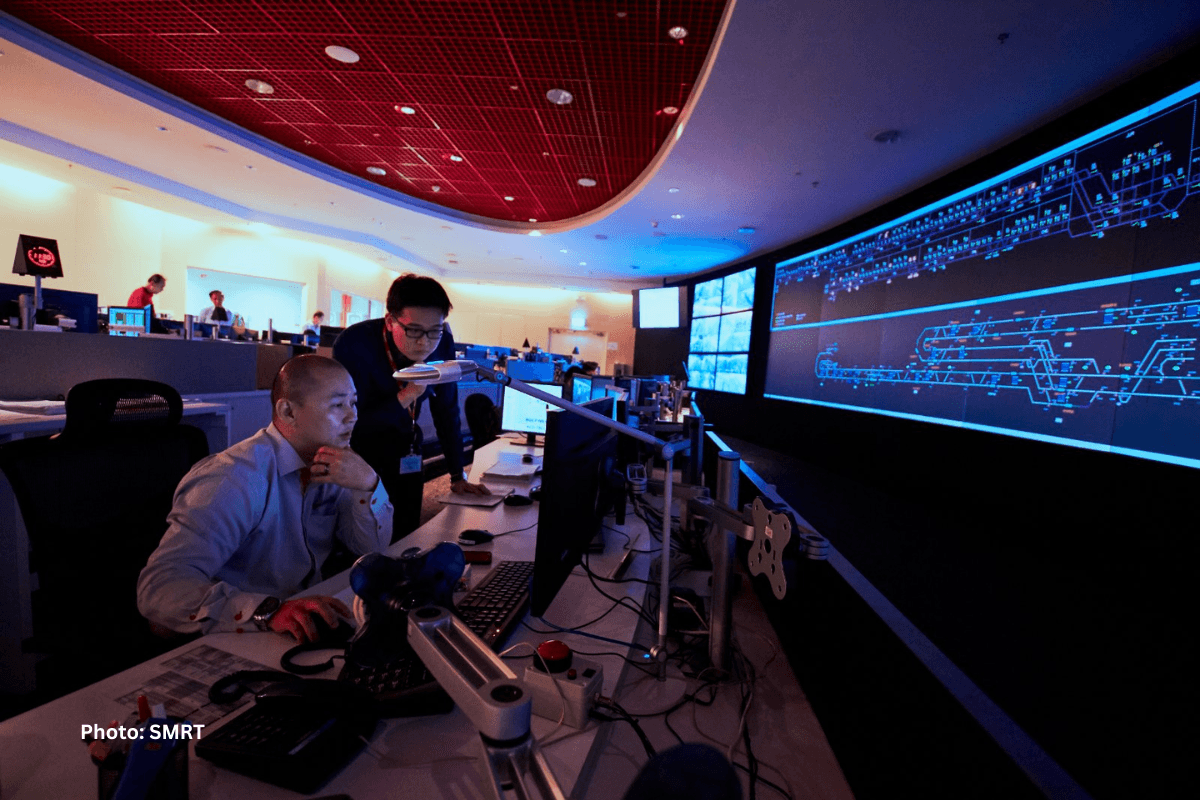
The operator is piloting an AI-enabled maintenance platform built on Oracle Cloud Infrastructure and an autonomous database environment. Central to this effort is JARVIS, an in-house developed analytics platform by SMRT’s technology arm, which integrates data from multiple legacy systems into a unified intelligence layer for real-time analysis and decision-making.
The platform is designed to enhance predictive maintenance capabilities by identifying potential equipment faults before they occur, enabling more targeted interventions within limited maintenance windows. By improving asset monitoring and diagnostics, SMRT aims to strengthen operational reliability while supporting safer and more consistent service delivery across its network.
Beyond operational efficiency, the initiative highlights the growing role of cloud-based AI ecosystems in rail engineering. The collaboration with Oracle Corporation also signals a shift towards scalable digital infrastructure that can support long-term performance optimisation and advanced analytics across increasingly complex transit networks.
The development aligns with global trends where rail operators are leveraging AI to transition from reactive to predictive maintenance models. As adoption matures, such systems are expected to play a critical role in improving asset longevity, reducing service disruptions, and enabling more resilient urban mobility systems.
Source: Yahoo Finance
SMRT Expands AI-Driven Rail Maintenance Through Cloud Partnership

Engineering Business Management
Share this story
Rail operators worldwide are accelerating digitalisation to improve reliability and optimise maintenance through data-driven systems. Singapore’s SMRT Corporation is advancing this shift by deploying AI-enabled maintenance solutions in collaboration with Oracle Corporation to enhance network performance and safety.