The expansion of electrified rail networks is a critical component of infrastructure development across Asia, facilitating economic growth and sustainable transport solutions. In Northeast India, the recent completion of electrification projects in Assam signifies a major step towards modernizing this vital region's rail infrastructure.
The Northeast Frontier Railway (NFR) has successfully concluded the electrification of the strategically important Tinsukia–Dibrugarh and Makum–Ledo rail sections. This initiative is part of a broader national drive by Indian Railways to enhance energy efficiency and transition towards environmentally friendly transport systems.
This advancement is expected to substantially reduce the region's reliance on diesel locomotives, leading to lower operational costs and a significant decrease in carbon emissions and noise pollution. Passengers can anticipate faster, smoother, and more punctual services, while freight operations will become more efficient, bolstering regional trade and industrial activities.
The completed electrification will enhance network capacity and ensure smoother connectivity with the national railway grid, enabling seamless movement of both passenger and goods trains. This project underscores the growing emphasis on sustainable and efficient rail operations within the Asian transport sector.
Source: Sentinel Assam
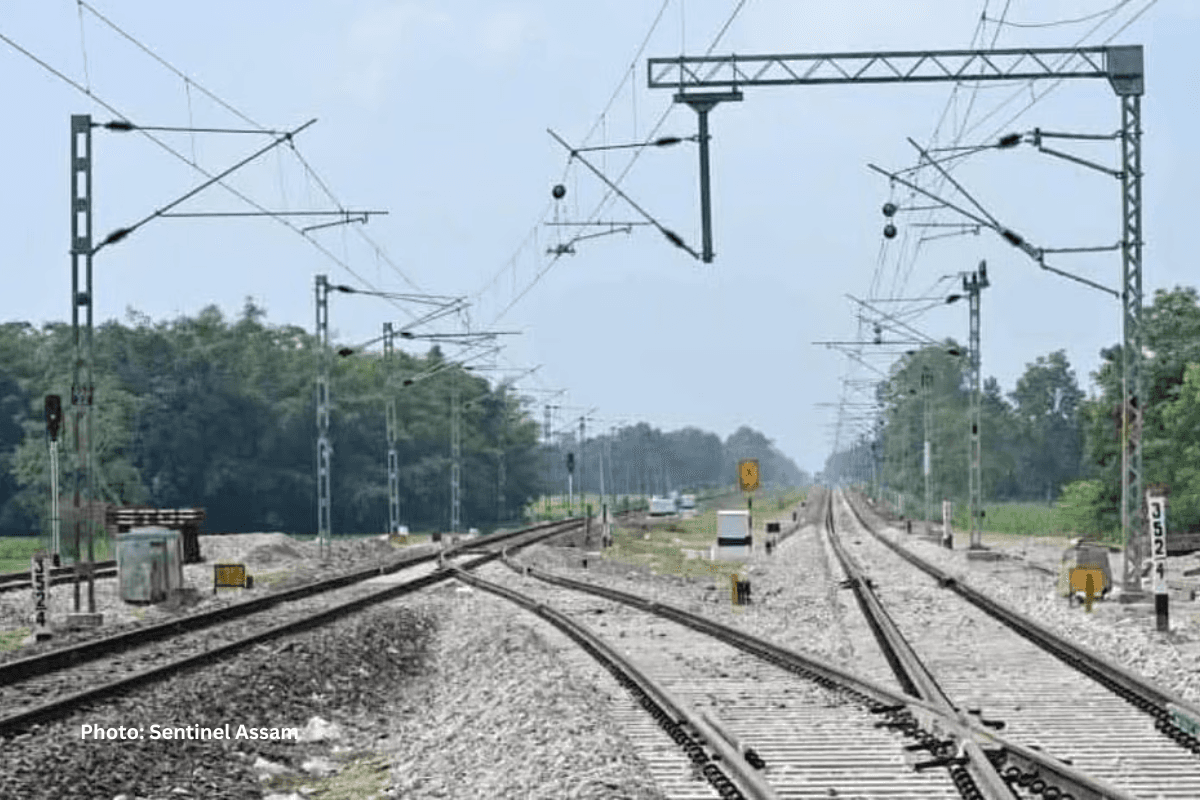
Strategic Rail Electrification Enhances Connectivity in Northeast India

Engineering Business Management
Share this story
Electrification is a key driver for modernizing rail infrastructure across Asia, promoting sustainability and efficiency. The Northeast Frontier Railway has finalized electrification of the Tinsukia–Dibrugarh and Makum–Ledo sections in Assam. This development is set to significantly improve operational capabilities and reduce environmental impact in the region.


