BANGKOK, January 2026 — As Asian megacities continue to expand rapidly, the demand for robust and integrated public transportation systems is increasing. Metro networks are proving essential for managing urban mobility challenges and promoting sustainable development across the region.
The Kochi Metro network concluded 2025 with record-breaking passenger figures, serving over 36.5 million passengers on its rail services and more than 2.3 million on its water metro. On New Year’s Day, over 160,000 passengers used the combined services, highlighting peak demand periods.
This surge in ridership reflects strong public trust in well-managed urban rail systems, driven by factors such as punctuality, cleanliness, and enhanced connectivity. Integrated feeder services further underline the importance of multimodal transport solutions in improving commuter convenience.
Specific events, including the Kochi-Muziris Biennale, significantly boosted water metro usage, demonstrating how cultural and tourism initiatives can synergize with public transport. Operational efficiency and high-quality customer service were cited as key drivers of passenger confidence.
The performance of Kochi Metro serves as a compelling case study for other Asian cities investing in and expanding rail infrastructure, showcasing the potential for significant passenger adoption and operational success in the evolving urban transport landscape.
Source: The Star
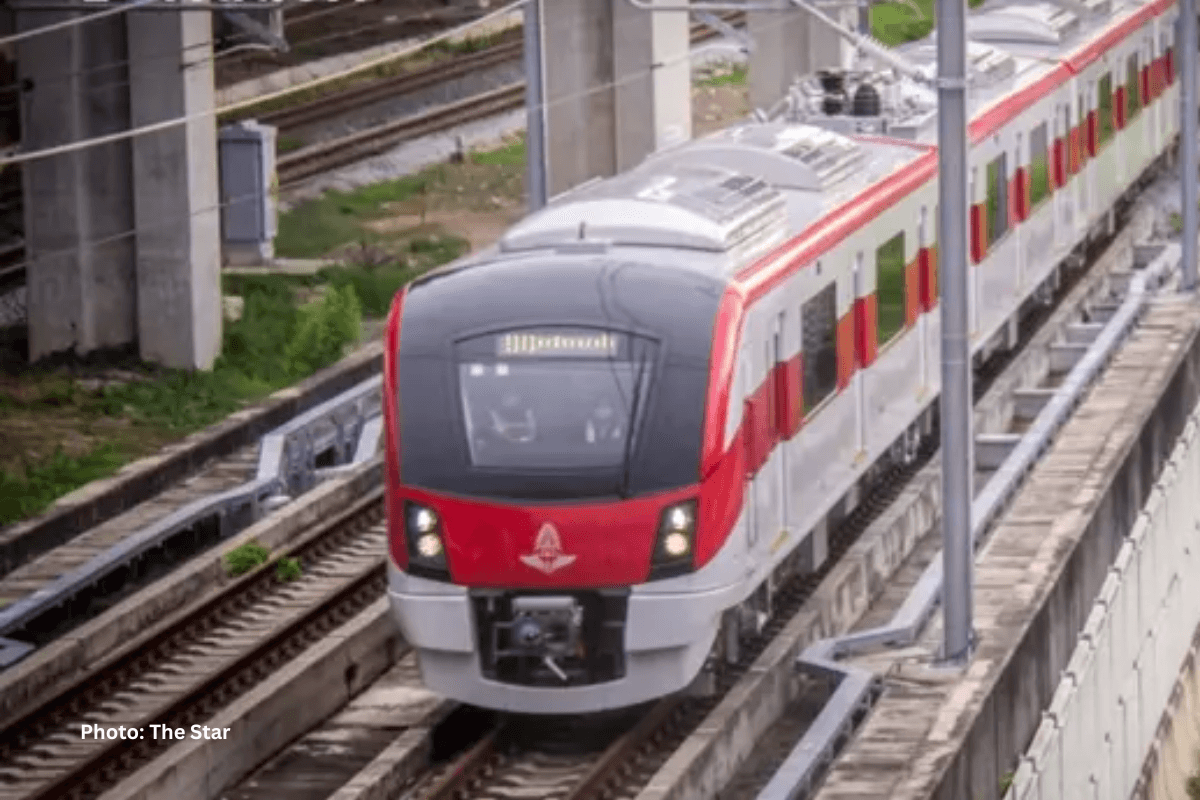
Thailand Accelerates Red Line Commuter Rail Extensions, Driving Significant Infrastructure Investment

Engineering Business Management
Share this story
Southeast Asia continues to see substantial investment in public transportation networks to support urban growth and regional connectivity. Thailand is advancing two key Red Line commuter rail extensions, with tenders now underway and contracts anticipated in early 2026. These projects are poised to inject billions into the nation's rail infrastructure and enhance commuter services in the Bangkok metropolitan area.


