Asian rail networks are undergoing rapid transformation, with a growing focus on upgrading existing infrastructure to meet rising demand and integrate new technologies. Modernizing older lines while incorporating digital-ready systems is key to improving reliability, safety, and capacity across the continent.
In the United Kingdom, Alstom recently completed a £49 million signaling project between Farncombe and Petersfield, enhancing a railway section over 150 years old. The upgrade included innovative signaling systems, new level crossings with obstacle-detection and CCTV technology, and miniature warning stop lights, as part of Network Rail's broader £129 million Portsmouth Direct Upgrade.
These advancements provide valuable lessons for Asian rail operators, promising greater reliability for passengers and freight, improved asset performance, and enhanced safety for track workers. Digital-ready signaling and advanced level crossing systems lay the foundation for future integration of smart railway technologies, a major goal for many developing networks in Asia.
Alstom’s Emmanuel Henry highlighted the project’s success in replacing life-expired equipment with cutting-edge technology, demonstrating how modern upgrades can transform operational performance. The approach of modernizing historical routes with digital-ready systems represents a strategic pathway to future-proofing rail infrastructure.
The successful execution of complex upgrades reflects a global trend toward smart rail networks. By adopting such technological advancements, Asian rail sectors can accelerate progress toward more efficient, safer, and sustainable transportation, supporting broader smart city and digital economy initiatives.
Source: RailBusinessDaily
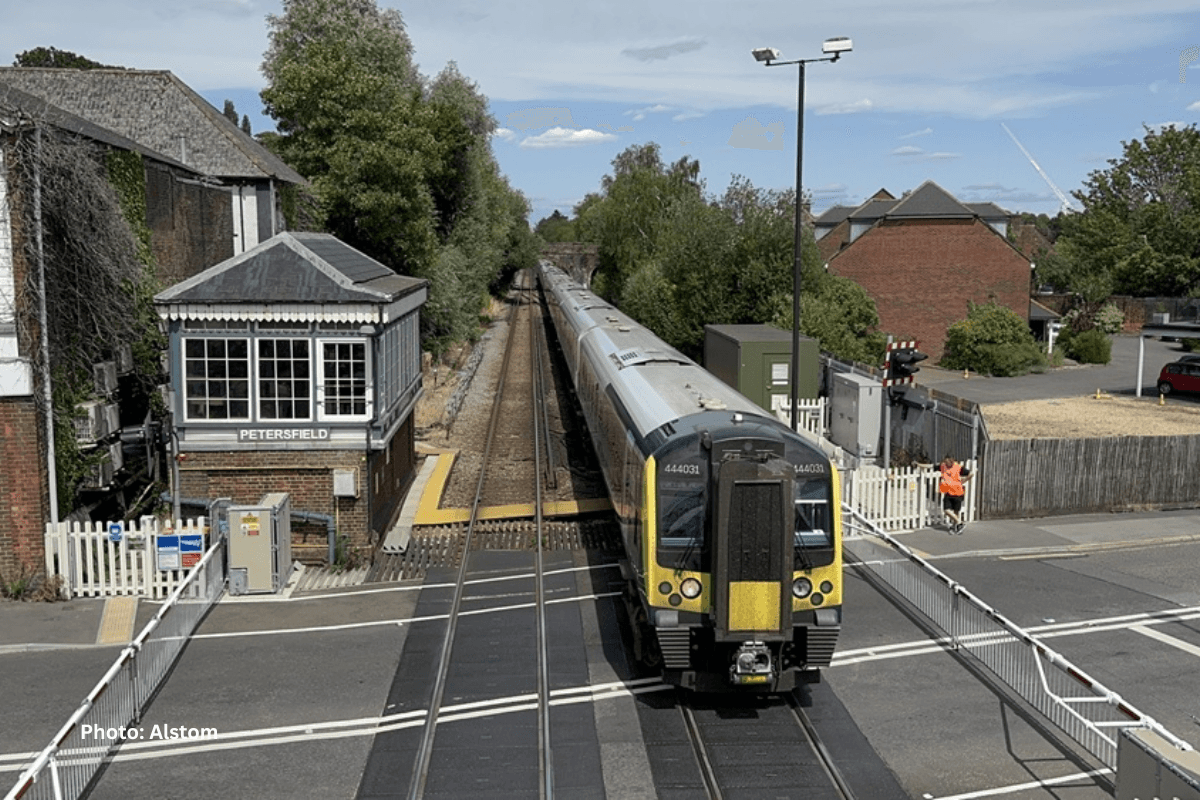
UK Signalling Upgrade Offers Insights for Asian Rail Modernization

Engineering Business Management
Share this story
As Asian nations prioritize rail infrastructure expansion and modernization, advanced digital signaling is paramount for enhancing operational efficiency and safety. Alstom's recent completion of a £49 million signaling upgrade on the UK's historic Portsmouth Direct line provides a compelling case study. This project highlights the successful integration of cutting-edge technologies into legacy systems, offering valuable lessons for the region's evolving rail landscape.


