TASHKENT, January 2026 — Uzbekistan, strategically situated at the crossroads of Central Asia, is proactively capitalising on its geographical advantages through the development of new international rail corridors. This initiative is part of a comprehensive regional strategy aimed at enhancing overland trade routes that connect Asia and Europe to establish more efficient, reliable, and cost-effective logistics pathways for global trade.
The nation is undertaking substantial upgrades to its rail infrastructure, which includes the construction of new international corridors and the modernisation of its existing rolling stock and rail facilities. These enhancements are essential for expanding cross-border rail connectivity, which is critical for increasing trade volumes between the European and Asian continents. By improving its rail systems, Uzbekistan not only strengthens its own economic position but also contributes to the broader economic advancement of the region.
The strategic investments in rail infrastructure are expected to consolidate Uzbekistan's role as a pivotal transit hub within Eurasia. By enhancing rail capacity and reliability, the country aims to facilitate the smooth, rapid, and more economically viable movement of goods, thereby making it an attractive destination for international logistics and supply chain operations.
Moreover, the expansion of these rail links aligns with global trends focused on diversifying supply chains. Many enterprises are increasingly acknowledging the environmental advantages of rail freight, which typically results in lower carbon emissions compared to road or air transport while providing greater capacity for bulk goods. This emphasis on improving intercontinental connectivity highlights the growing importance of land-based trade routes in the context of shifting global economic landscapes.
Ultimately, Uzbekistan's dedication to advancing its rail network reflects a forward-thinking approach to economic development and regional integration. By investing in robust transit solutions, the country is strategically positioned to meet the increasing demand for efficient logistics services, thereby fostering greater economic cooperation and resilience across continents. This ambitious initiative promises not only to benefit Uzbekistan but also to stimulate growth and connectivity throughout Central Asia and beyond.
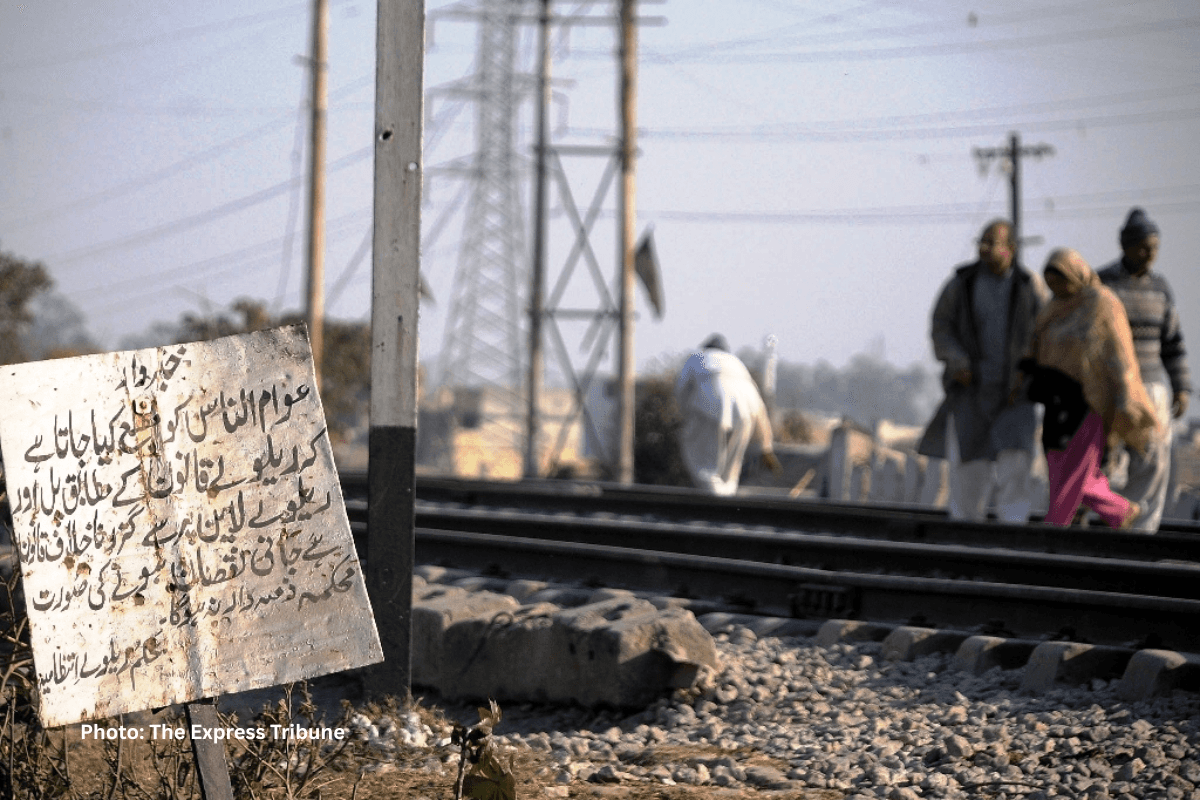
Uzbekistan Bolsters Eurasian Transit Role Via New Rail Corridors and Fleet Upgrades

Engineering Business Management
Share this story
Asia's growing importance as a global trade hub necessitates enhanced multimodal transport networks. Uzbekistan is actively developing new international rail corridors and modernizing its rolling stock to boost cross-border rail connectivity and trade flows between Europe and Asia.


