VIETNAM, January 2026 — Railway investment is experiencing a significant upswing across Eurasia, presenting a range of opportunities for suppliers of signaling systems, rolling stock, and various rail technologies. The Belt and Road Initiative, driven by China, continues to serve as a pivotal factor in shaping rail policy throughout Central Asia, prompting nations to explore potential revenue streams. Concurrently, China is advancing a notable 19% expansion of its high-speed rail network by the year 2030, thereby reinforcing its global leadership within this domain.
In early 2026, several key developments have emerged. Huawei is actively working to enhance its AI-driven rolling stock condition monitoring technology. In Vietnam, Hyundai Rotem aims to facilitate local production of high-speed and urban electric trains while preparing to deliver its inaugural high-speed train to Uzbekistan. Additionally, Etihad Rail has unveiled plans for the United Arab Emirates' passenger network in anticipation of its launch in 2026, and the Vande Bharat Sleeper train has successfully achieved certification. Uzbekistan is also engaged in the development of new and upgraded rail routes to solidify its role in Eurasian transit, with the objective of reducing transit time and enhancing trade flows. As a result, the average transit time along the Middle Corridor between China and Azerbaijan has been notably reduced.
These advancements are poised to have a substantial impact on regional trade and logistics, particularly along corridors such as the Middle Corridor, which are benefiting from decreased transit times. The introduction of new high-speed lines and urban transit projects throughout the region is expected to enhance passenger mobility. Furthermore, partnerships, such as the collaboration involving Hyundai Rotem in Vietnam, are fostering the development of local industries and facilitating technological transfer, thus contributing to the growth of the rolling stock sector.
Simultaneously, South Korea has successfully completed the development of technologies for high-speed trainsets capable of commercial speeds reaching 370 km/h. This push towards advanced technology, in conjunction with the strategic influence of initiatives like the Belt and Road, underscores a commitment to modernizing rail infrastructure and operations across the continent.
Overall, these developments signify a broader trend towards digital transformation and increased efficiency within the global rail sector. As Asian nations continue to make substantial investments in modernizing their rail networks and embracing cutting-edge technologies, the region is reinforcing its position as a leader in rail innovation and connectivity.
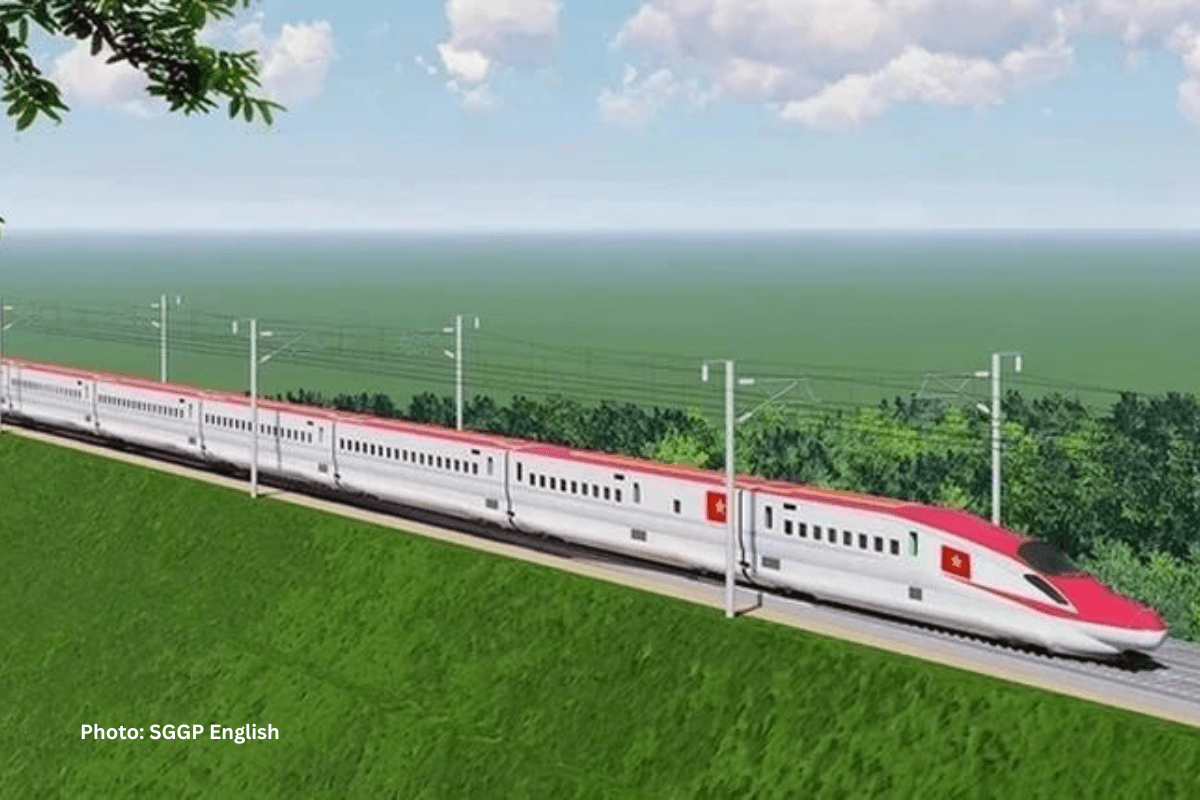
Vietnam's North-South High-Speed Rail Project Secures 13 Investor Proposals

Engineering Business Management
Share this story
Asia's infrastructure boom continues as Vietnam's ambitious North-South high-speed rail project garners significant interest. Thirteen companies have proposed participation, signaling a key step towards enhanced regional connectivity and economic development


