Project News
Deep dives into ongoing and upcoming rail projects, including technical and operational details.
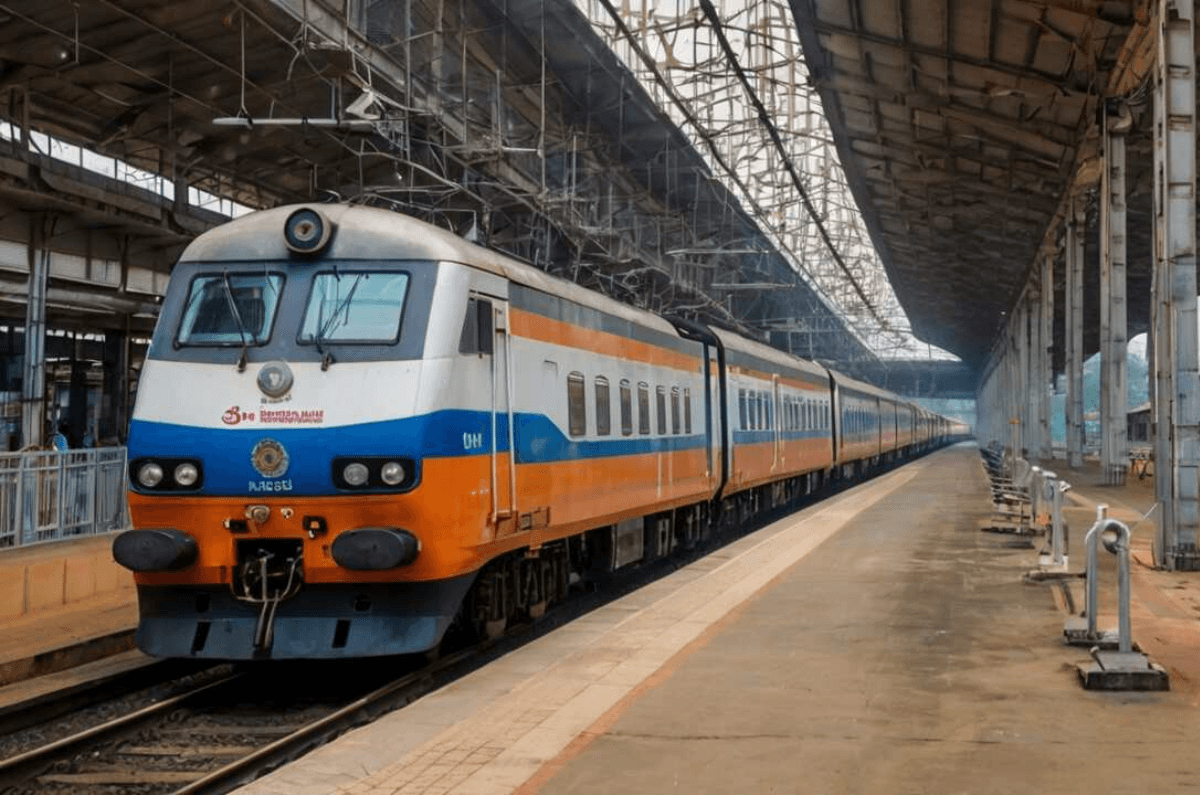
The Vande Bharat program aims to replace older rolling stock with advanced, semi-high-speed electric trains. By 2030, the fleet will comprise 800 units, enhancing operational speed, energy efficiency through regenerative braking, and overall passenger comfort. A notable development includes the introduction of a 16-coach sleeper variant designed for overnight journeys, catering to long-distance travel demands.
This expansion significantly bolsters India's domestic manufacturing sector, aligning with the "Make in India" initiative. The production of these trains, partly handled by consortia like Titagarh Rail Systems-BHEL, is creating substantial employment opportunities and strengthening the local industrial base. Furthermore, it positions India as a potential leader in green transport technology, with prospects for exporting its advanced rail solutions.
The Vande Bharat project represents a strategic shift towards a more sustainable and efficient railway system, contributing to India's environmental goals by reducing the carbon footprint of its transportation sector. The focus on modern, electric-powered trains underscores a commitment to innovation and technological self-reliance.
With the Vande Bharat fleet projected to reach 800 trains by the end of the decade, Indian Railways is poised for a new era of efficiency and modernization. This program not only addresses the growing demands of domestic commuters but also elevates India's standing in the global rail technology market.
Source: Travel And Tour World
The Vande Bharat program aims to replace older rolling stock with advanced, semi-high-speed electric trains. By 2030, the fleet will comprise 800 units, enhancing operational speed, energy efficiency through regenerative braking, and overall passenger comfort. A notable development includes the introduction of a 16-coach sleeper variant designed for overnight journeys, catering to long-distance travel demands.
This expansion significantly bolsters India's domestic manufacturing sector, aligning with the "Make in India" initiative. The production of these trains, partly handled by consortia like Titagarh Rail Systems-BHEL, is creating substantial employment opportunities and strengthening the local industrial base. Furthermore, it positions India as a potential leader in green transport technology, with prospects for exporting its advanced rail solutions.
The Vande Bharat project represents a strategic shift towards a more sustainable and efficient railway system, contributing to India's environmental goals by reducing the carbon footprint of its transportation sector. The focus on modern, electric-powered trains underscores a commitment to innovation and technological self-reliance.
With the Vande Bharat fleet projected to reach 800 trains by the end of the decade, Indian Railways is poised for a new era of efficiency and modernization. This program not only addresses the growing demands of domestic commuters but also elevates India's standing in the global rail technology market.
Source: Travel And Tour World
Oct 29, 2025
1 min read
The Vande Bharat program aims to replace older rolling stock with advanced, semi-high-speed electric trains. By 2030, the fleet will comprise 800 units, enhancing operational speed, energy efficiency through regenerative braking, and overall passenger comfort. A notable development includes the introduction of a 16-coach sleeper variant designed for overnight journeys, catering to long-distance travel demands.
This expansion significantly bolsters India's domestic manufacturing sector, aligning with the "Make in India" initiative. The production of these trains, partly handled by consortia like Titagarh Rail Systems-BHEL, is creating substantial employment opportunities and strengthening the local industrial base. Furthermore, it positions India as a potential leader in green transport technology, with prospects for exporting its advanced rail solutions.
The Vande Bharat project represents a strategic shift towards a more sustainable and efficient railway system, contributing to India's environmental goals by reducing the carbon footprint of its transportation sector. The focus on modern, electric-powered trains underscores a commitment to innovation and technological self-reliance.
With the Vande Bharat fleet projected to reach 800 trains by the end of the decade, Indian Railways is poised for a new era of efficiency and modernization. This program not only addresses the growing demands of domestic commuters but also elevates India's standing in the global rail technology market.
Source: Travel And Tour World
Dec 17, 2025
1 min read
Oct 29, 2025
1 min read
Oct 24, 2025
1 min read
Aug 2, 2025
1 min read
Jul 25, 2025
2 min read
Jul 17, 2025
1 min read
Oct 29, 2025
1 min read
Oct 24, 2025
1 min read
Aug 2, 2025
1 min read
Jul 25, 2025
2 min read
Jul 17, 2025
1 min read
Oct 29, 2025
1 min read
Oct 24, 2025
1 min read
Aug 2, 2025
1 min read
Jul 25, 2025
2 min read
Load More

