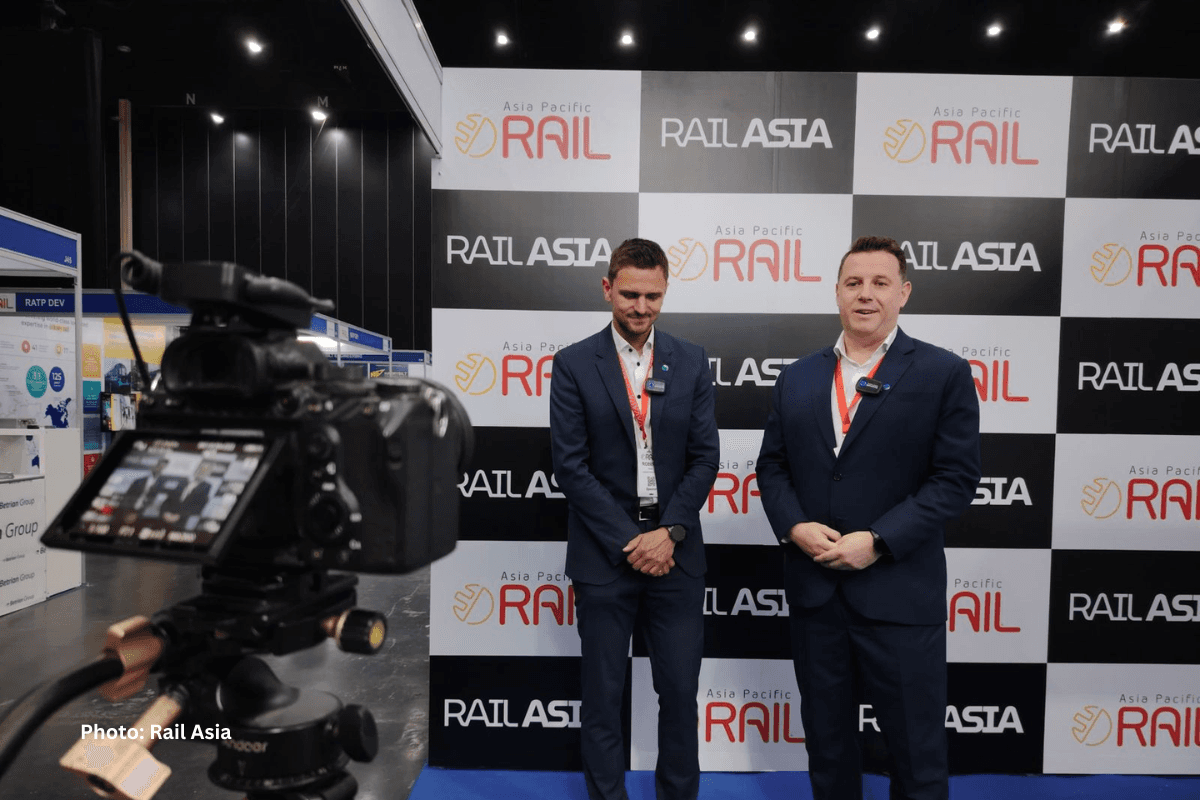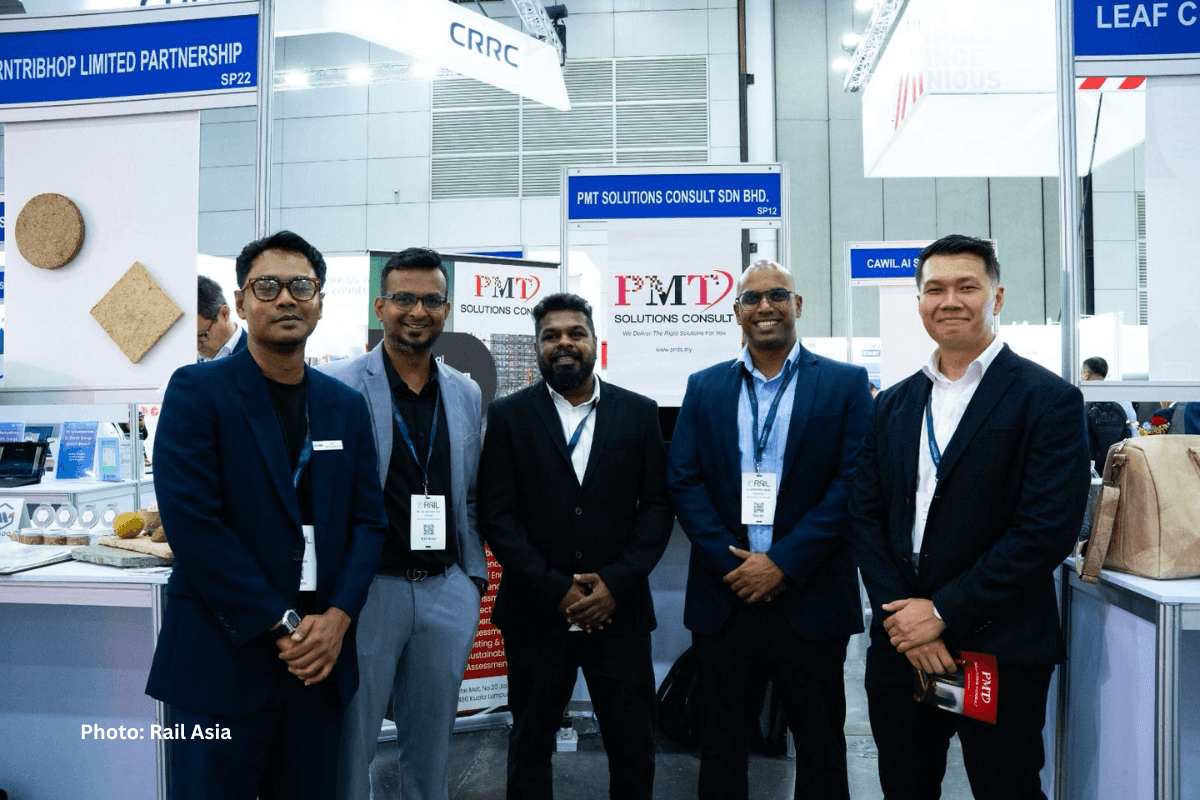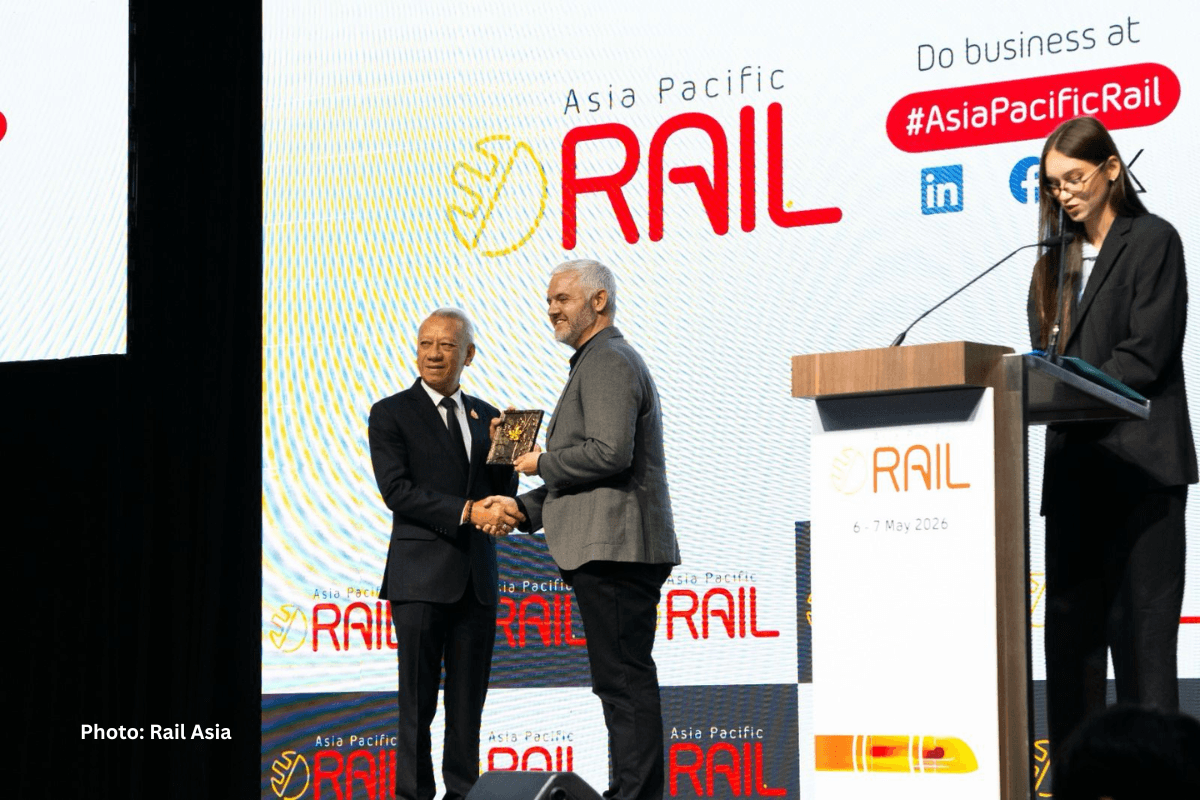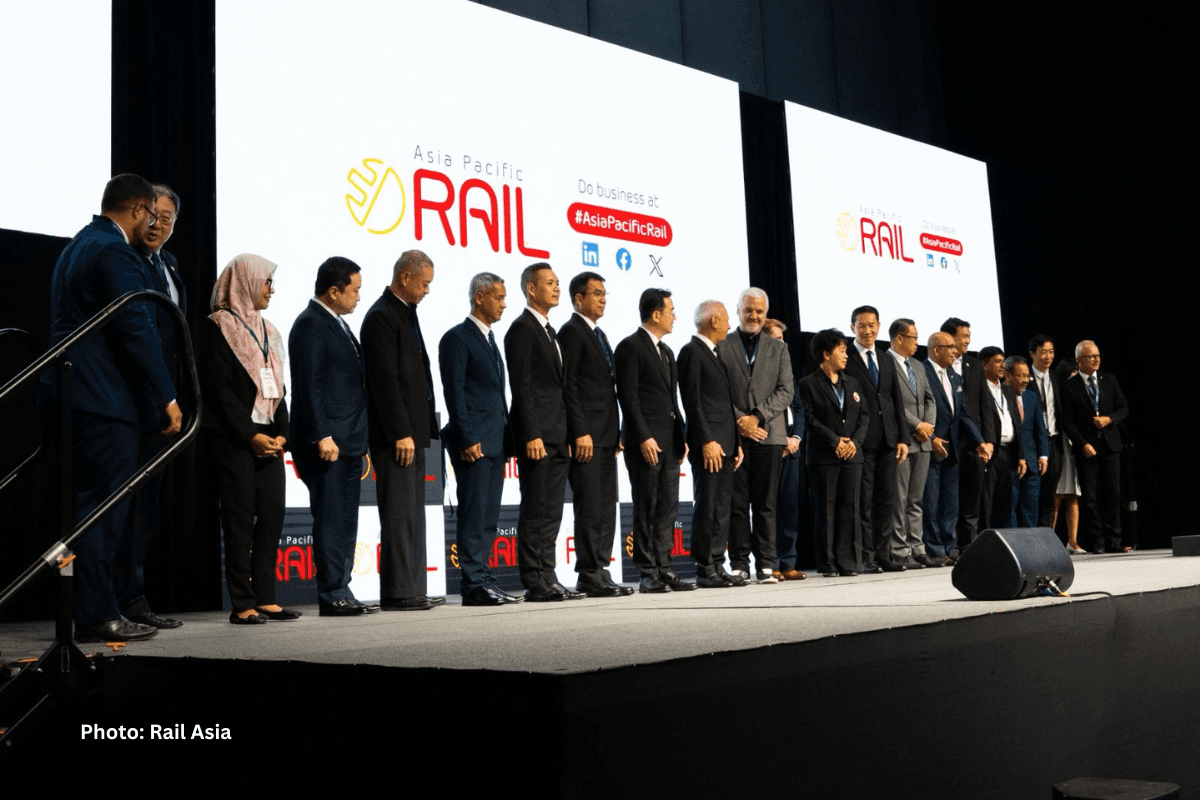

The event has grown significantly in scale, bringing together more than 5,000 rail professionals, over 200 exhibitors and around 160 expert speakers from across the rail ecosystem. This includes operators, policymakers, contractors and technology providers. Over two full days, from May 6 to May 7, 2026, the exhibition serves as a vital platform where key decisions on technology, procurement and cross-border connectivity are actively shaped, highlighting the latest innovations in smart mobility, AI, and digital ecosystems.
Opening Ceremony: The Starting Point of a Grand Vision for Asia-Pacific Railways
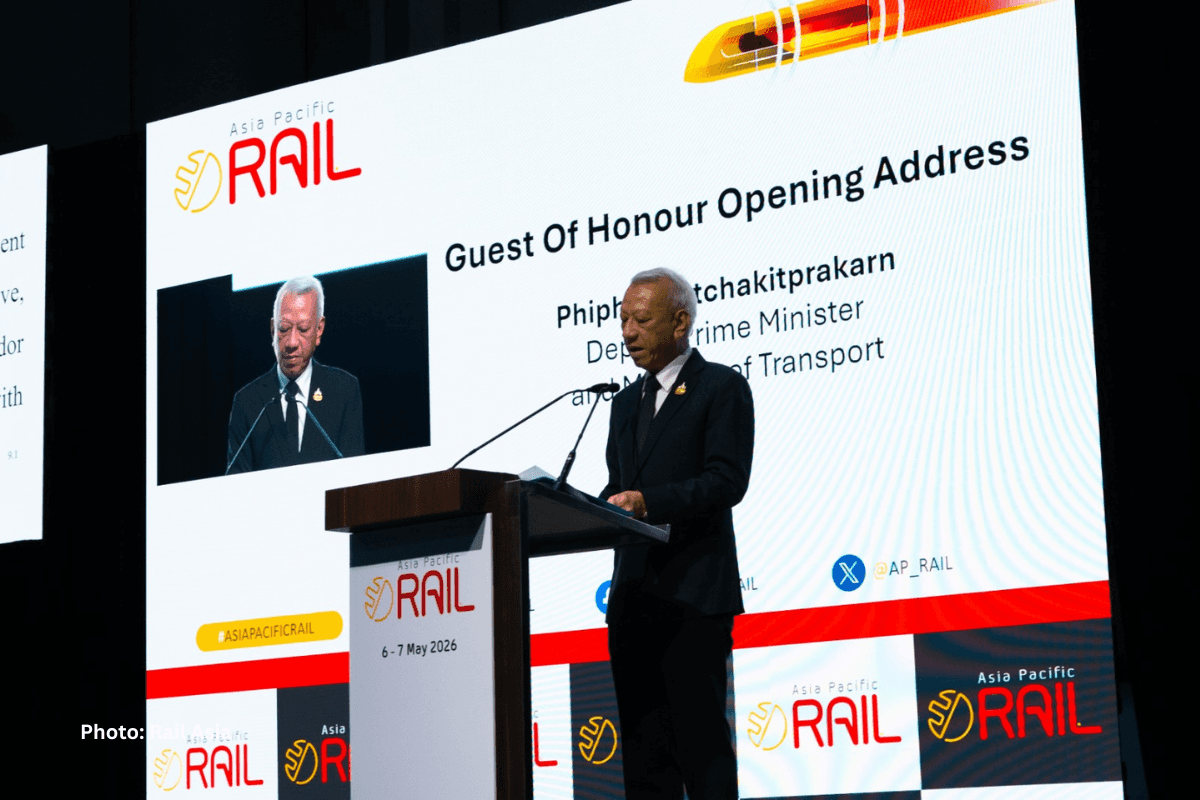
The inaugural day commenced with a spectacular opening ceremony that set a vibrant tone for the event. Thailand’s Deputy Prime Minister and Minister of Transport, Mr Phiphat Ratchakitprakarn, took to the stage to deliver the keynote address. His speech was met with an enthusiastic response from the gathered audience, reflecting their excitement for the initiatives being discussed.
In his remarks, Mr Phiphat highlighted the Thai government’s unwavering commitment to advancing rail infrastructure, underscoring its pivotal role as the backbone of national connectivity. He outlined ambitious plans to modernise and expand the rail system, which would not only enhance domestic travel but also facilitate trade and tourism. His vision included improved efficiency and sustainability in the transport sector, underscoring the government's recognition of rail transport as a crucial element in the country’s economic growth and development.
The first day of the event was a dynamic and engaging experience, featuring a wide array of conference sessions and panel discussions that delved into the complexities of digital transformation within the railway sector. Topics covered included the latest advancements in smart mobility solutions, the crucial role of artificial intelligence (AI) in enhancing operational efficiency, and the application of data analytics for improved decision-making in management practices.
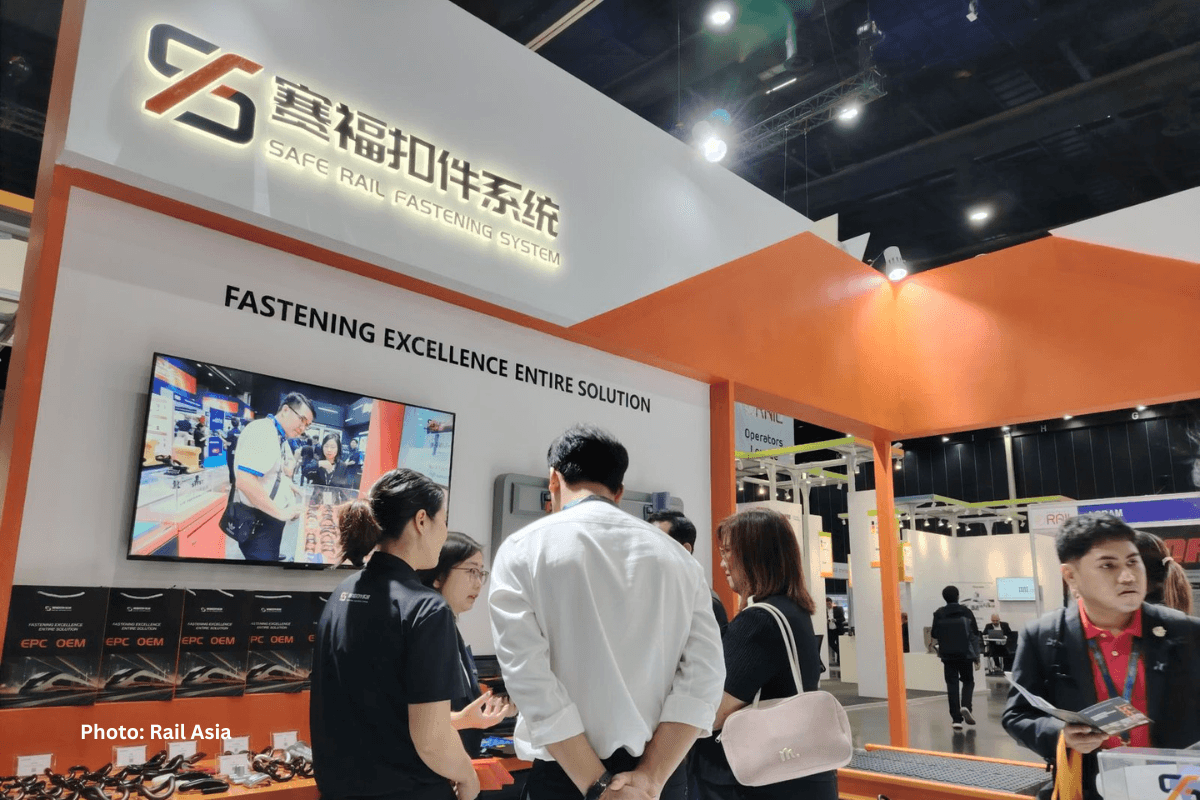
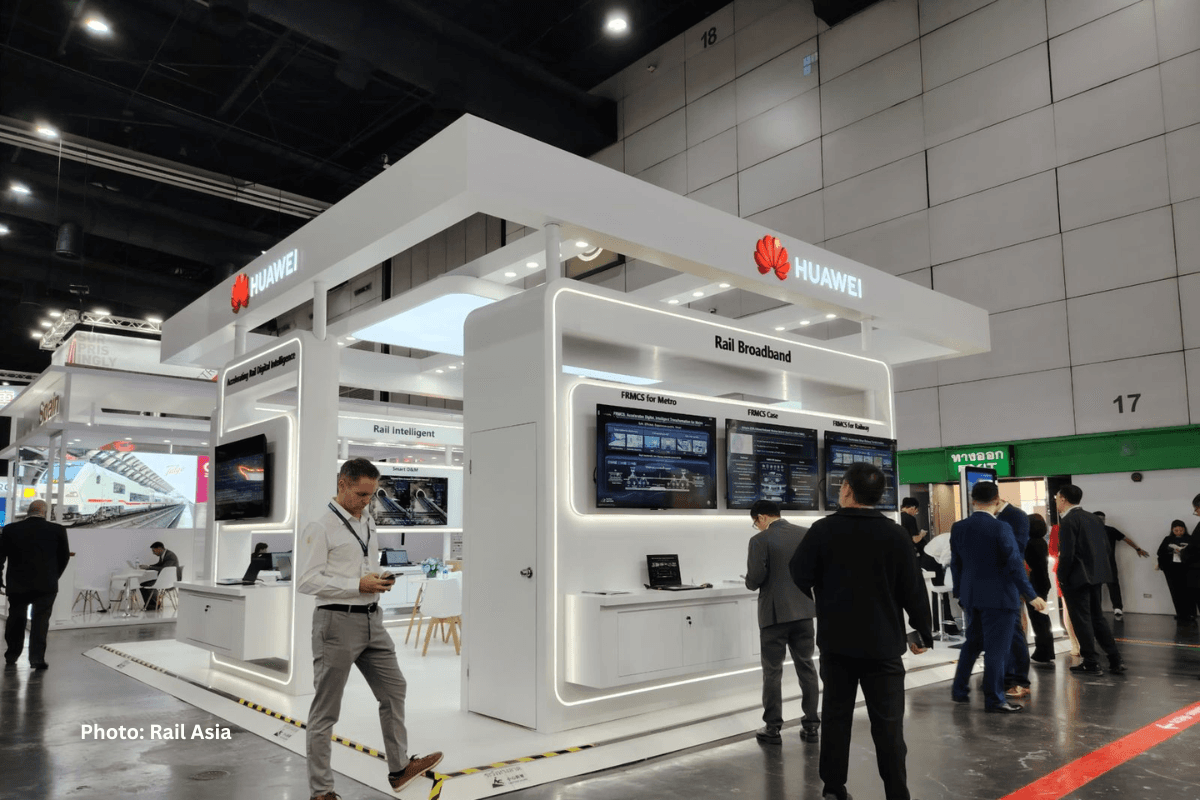
The exhibition area was bustling with activity, as attendees eagerly explored innovative technologies and solutions. They learnt about cutting-edge ticketing platforms designed to simplify the passenger experience; advanced signalling systems such as Communication-Based Train Control (CBTC); and sustainable infrastructure initiatives aimed at lowering lifecycle emissions, inspiring excitement about future industry innovations.
Throughout the day, exhibitors placed significant emphasis on integrating digital rail ecosystems. This approach seeks to create interconnected networks that link infrastructure, rolling stock, and operational processes into cohesive, data-driven systems. Such integration enables predictive maintenance, allowing timely interventions before issues arise, ultimately improving service reliability and operational efficiency. This focus on interconnectedness represents a transformative shift in how railways can leverage technology to meet the demands of modern transport systems.
Technology, Collaboration, & Data That Are Transforming How We Maintain Railways
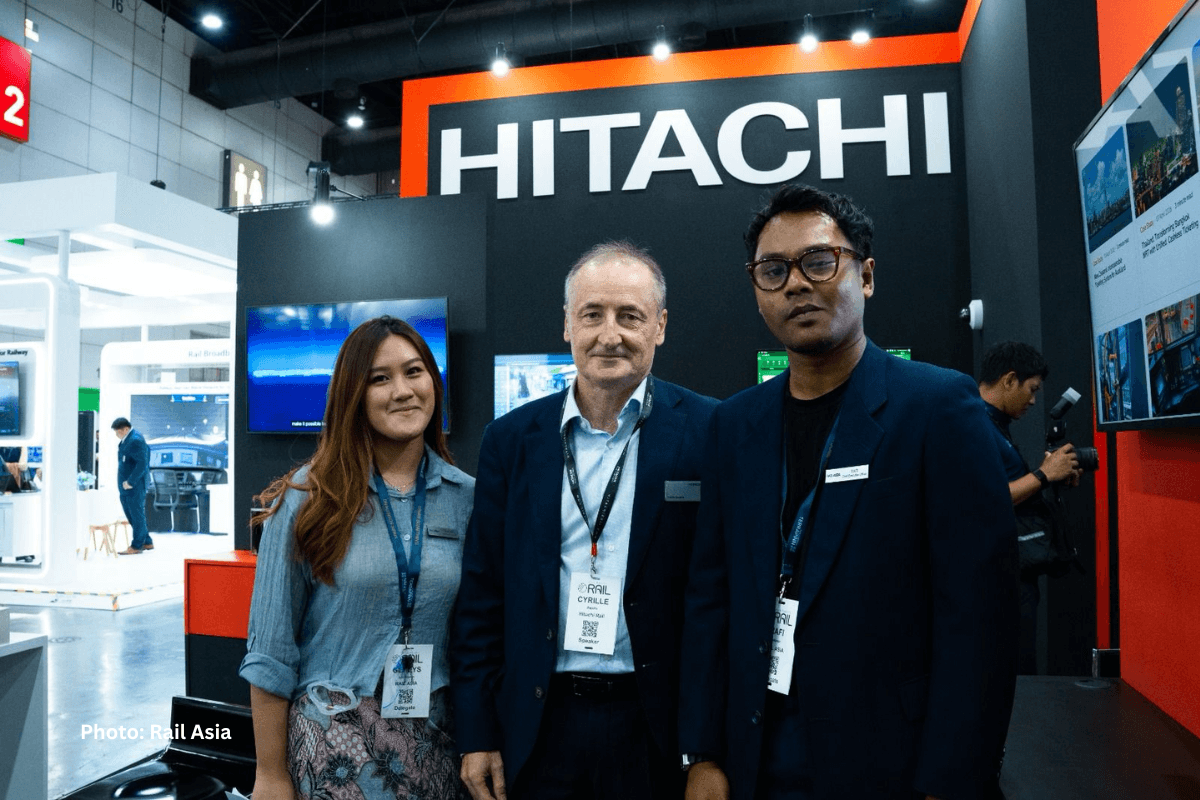
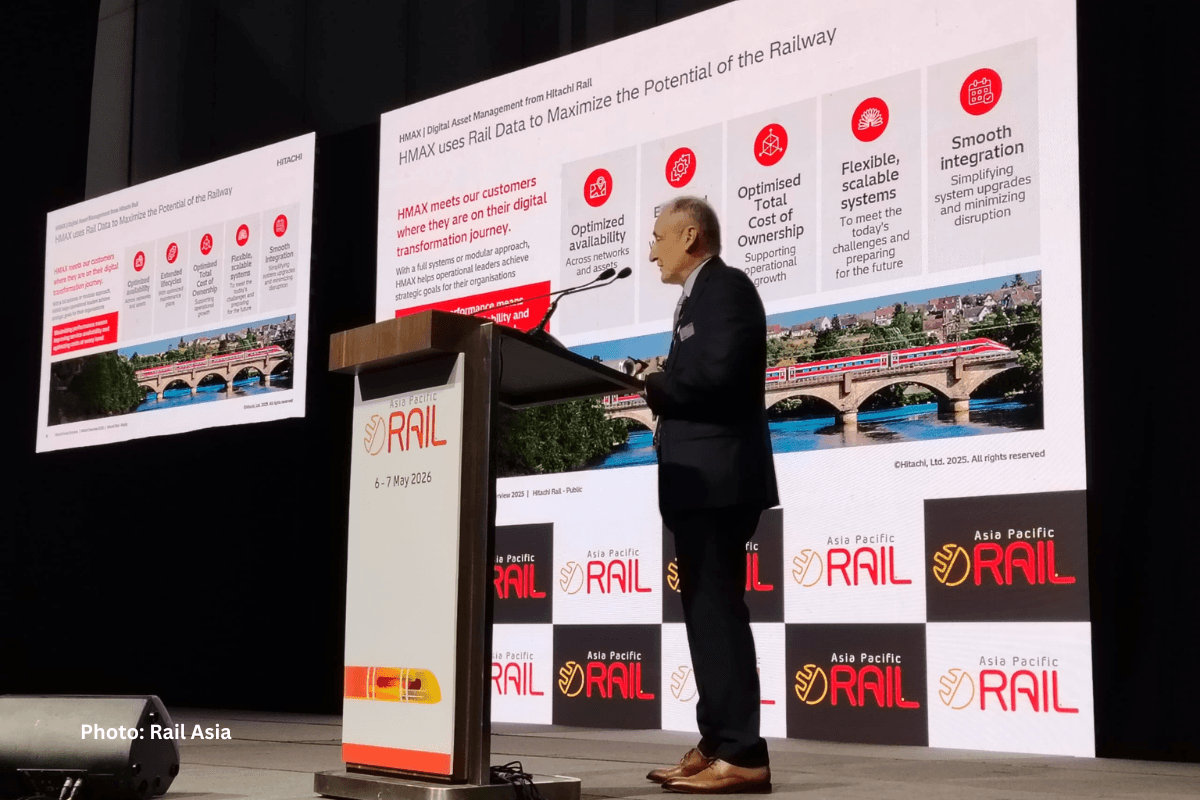
One of the most eagerly awaited sessions on the second day of the conference was presented by Hitachi Rail. This session featured an in-depth discussion of the transformative potential of rail data to generate actionable operational intelligence. Cyrille Bataille led the Digital Rail session, where he introduced the HMAX (Hyper Mobility Asset Expert) platform.
Bataille emphasised that HMAX leverages real-time rail data to enhance fleet reliability significantly. The platform employs an innovative edge-to-cloud architecture that enables efficient data processing. Sensors are strategically installed on trains and relevant infrastructure, continuously capturing comprehensive data related to performance and operations.
This data is then processed using artificial intelligence at the network edge, enabling rapid analysis before the most pertinent insights are transmitted to the operations control centre. Through this process, Hitachi Rail aims to empower rail operators with timely and critical information, ultimately improving decision-making and operational efficiency in the rail industry.
Asia Pacific Rail 2026 concluded after two comprehensive days, signifying not merely the end of an event but the initiation of a transformative chapter for the rail industry in the Asia-Pacific region. The event saw significant participation, featuring an array of conference sessions addressing diverse aspects of the rail sector and attracting hundreds of exhibitors from around the world. This year’s Asia Pacific Rail underscored the event's commitment to evolving to meet the industry’s increasingly ambitious objectives for advancement and innovation.
In a region rapidly advancing towards the development of future rail systems, Asia Pacific Rail has established itself as an indispensable platform for industry advancement. It plays a vital role in uniting key stakeholders, including industry leaders, policymakers, and technology providers, thereby fostering an environment conducive to collaboration and joint problem-solving. The event provided a venue to showcase cutting-edge rail technology while facilitating discussions on the industry’s long-term vision, effectively addressing both the challenges and opportunities ahead.
Asia Pacific Rail 2026 transcends the notion of a mere industry gathering; it serves as a dynamic forum where diverse ideas converge to shape the future direction of the rail sector. Each session highlighted a principal theme: the industry is progressing towards a more interconnected, intelligent, and sustainable railway system. Experts presented insights on topics such as digitalisation, smart technologies, and environmental sustainability, thereby demonstrating a collective commitment to innovation in rail transportation.
As participants engaged in substantive discussions, it became apparent that the rapid pace of transformation within the Asia-Pacific region engenders a sense of urgency and enthusiasm. This process of change is not merely a conceptual vision for the future; it is a collaborative undertaking that is being actively realised. The event inspired attendees to embrace the impending transitions, reinforcing the notion that the future of rail transportation is a collective endeavour in which all stakeholders are participating, ultimately paving the way for a more efficient and sustainable mobility network.