China's extensive high-speed rail network has seen another significant addition with the operational launch of the Xi'an-Yan'an line, a 299-kilometer route designed to enhance connectivity in the country's northwest. This development is part of China's ongoing strategy to modernize its transportation infrastructure and integrate historically significant regions into its high-speed network.
The new line connects the provincial capital Xi'an with Yan'an, a city renowned as a revolutionary heartland. The railway is engineered for speeds up to 350 km/h, drastically reducing travel time between the two cities to approximately one hour, a stark contrast to the arduous journeys of the past. A notable aspect of this project is the engineering feat required to traverse the Loess Plateau, with over half the route crossing soft, water-sensitive terrain that presented substantial challenges in controlling ground settlement and ensuring structural stability.
This expansion further solidifies China's position as a global leader in high-speed rail, pushing its total network mileage past 50,000 km, a figure exceeding the combined total of all other countries. The line's completion is expected to boost tourism to Yan'an and stimulate economic activity, aligning with broader national development goals and the upcoming 15th Five-Year Plan which emphasizes integrated transportation systems.
The construction involved overcoming complex geological conditions, with 91 percent of the route elevated on bridges or tunneled, including 47 tunnels spanning over 169 km. These engineering solutions demonstrate advanced capabilities in managing difficult environments for high-speed rail operations. The project's success highlights China's commitment to pushing the boundaries of railway construction and its strategic vision for national connectivity.
As China continues to invest heavily in its rail infrastructure, developments like the Xi'an-Yan'an line exemplify the nation's ambition to create a comprehensive, high-speed transport system that supports economic growth and regional integration across the continent. This project underscores the critical role of advanced rail infrastructure in modernizing economies and connecting diverse regions.
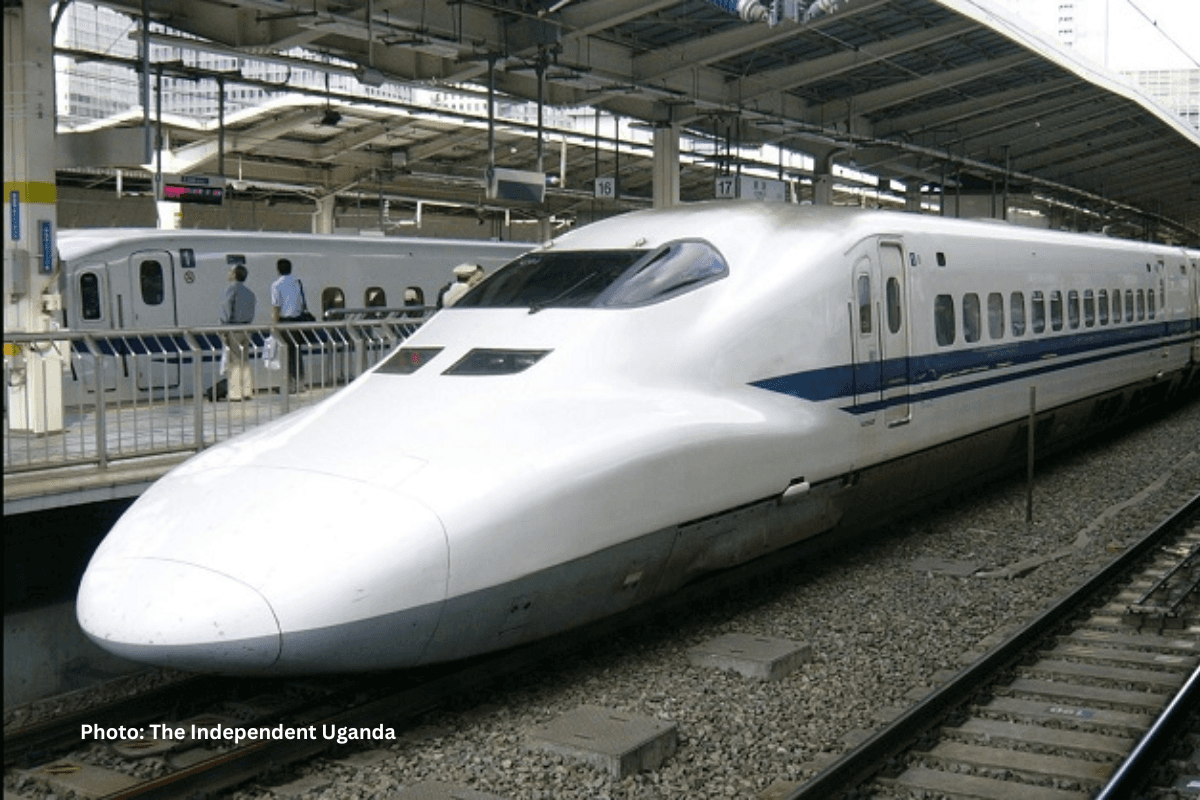
China's High-Speed Rail Network Expands with Challenging Loess Plateau Route

Engineering Business Management
Share this story
China continues its rapid expansion of high-speed rail infrastructure, connecting key historical regions. The newly opened Xi'an-Yan'an line navigates challenging terrain, underscoring advancements in engineering and regional accessibility.


