TARRAGONA, June 2026 — The strategic shift toward rail-integrated port facilities reflects a broader European trend to reduce road haulage and improve the efficiency of freight corridors. By linking maritime gateways directly to inland rail networks, ports are becoming central hubs in a multimodal logistics ecosystem that prioritizes speed and sustainability.
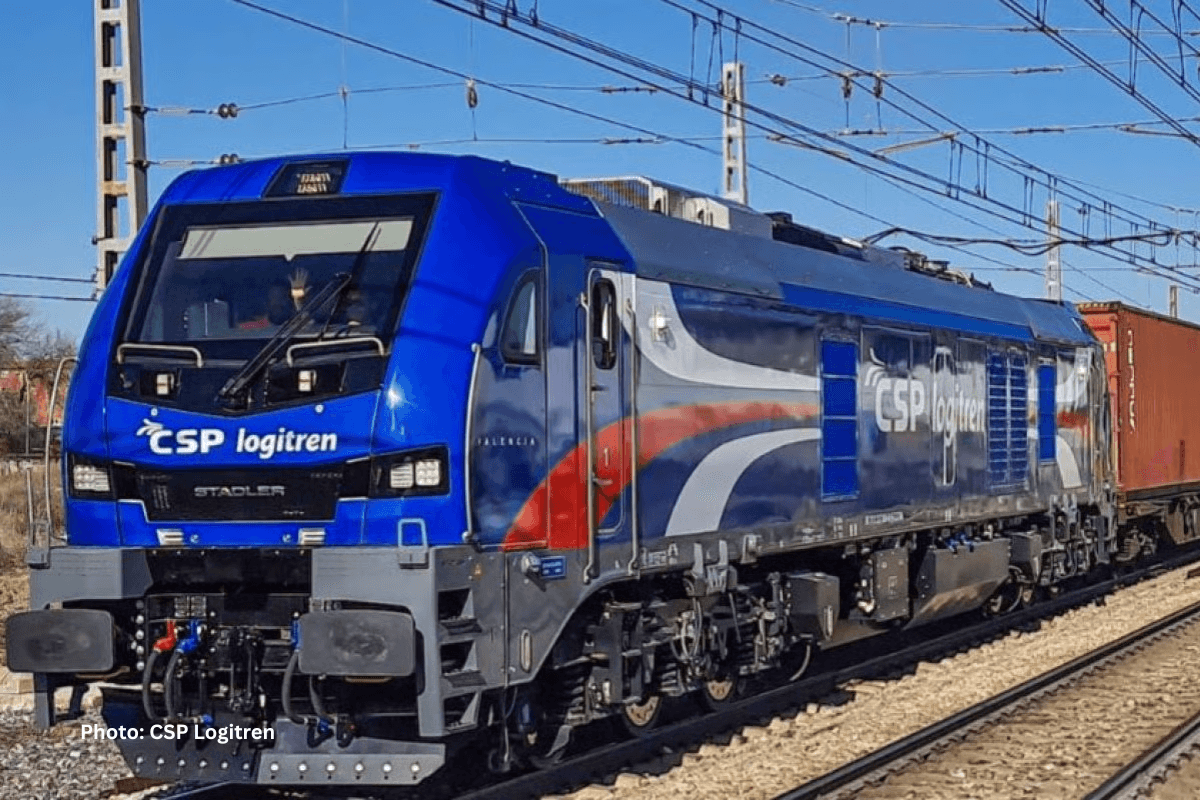
The project involves the development of an intermodal terminal that will connect the port’s Andalusia Wharf with the existing La Boella rail facility. This infrastructure is designed to serve as a primary gateway for maritime traffic arriving from Asia and Latin America, facilitating the transfer of goods to inland rail services. The terminal is scheduled to reach full operational capacity by 2028, with COSCO utilizing its Spanish rail freight subsidiary, CSP Logitren, to manage hinterland logistics.
For rail sector stakeholders, this development strengthens the Ebro corridor and enhances the connection between the Mediterranean coast and central Spain. The integration of a dedicated rail operator like CSP Logitren into the terminal's workflow suggests a more seamless transition between sea and rail, potentially lowering transit times for cargo destined for Madrid and other inland logistics hubs. This move is expected to bolster Tarragona’s position as a competitive alternative to other major regional ports.
This initiative aligns with Tarragona’s wider strategy to expand its rail-led hinterland reach, which includes other significant projects such as the Guadalajara-Marchamalo inland terminal and ongoing connections to the Mediterranean Corridor. By investing in these nodes, the port is positioning itself to capture a larger share of the rail freight market, leveraging its geographical advantages to serve as a bridge between international shipping lanes and the European rail network.
Ultimately, the collaboration between global shipping giants and local port authorities underscores the growing importance of rail in the future of global trade. As infrastructure projects like the La Boella expansion come online, they provide the necessary capacity to support the transition to greener logistics. This development marks a significant step in the modernization of Spanish rail infrastructure, ensuring the region remains a vital link in the global supply chain.
Source: RailMarket
COSCO and PTP Group to Develop Major Intermodal Rail Terminal in Tarragona

Engineering Business Management
Share this story
The expansion of intermodal infrastructure in the Mediterranean is increasingly critical for streamlining global supply chains and enhancing hinterland connectivity. The Port Authority of Tarragona has recently awarded a long-term concession to COSCO Shipping Ports and PTP Group to develop a new terminal integrating maritime and rail operations.


