BEIJING, January 2026 — The Greater Bay Area is progressively establishing itself as a significant economic hub in Asia, with robust transportation infrastructure serving as a fundamental element of this development. High-speed rail networks play a critical role in enhancing connectivity among major cities, thereby facilitating both business and leisure travel. This advancement not only stimulates regional economic growth but also improves the quality of life for both residents and visitors.
Effective January 26, 2026, the Guangzhou-Shenzhen-Hong Kong Express Rail Link will expand its services by introducing an additional 52 trains. This enhancement will elevate the daily operational capacity to 415 trains, allowing for departures as frequently as every two minutes during peak hours. Consequently, this corridor is anticipated to become China’s busiest cross-border high-speed rail service. Additionally, new nonstop services will connect Hong Kong directly to key cities such as Nanjing, Wuxi, and Hefei, thereby increasing the accessibility and attractiveness of these regions.
This significant capacity increase is strategically designed to meet the rising demand for cross-border travel, effectively alleviating congestion and reducing wait times for passengers. Business travelers will derive substantial benefits from the reduction in journey times to inland cities, which may lead to a preference for rail travel over air travel for same-day trips. This initiative aligns with national objectives aimed at redirecting short-haul traffic from air to rail, thus contributing to broader environmental sustainability goals by minimizing carbon emissions associated with air travel.
Moreover, the updated timetable is in accordance with the Outline Development Plan for the Guangdong-Hong Kong-Macao Greater Bay Area, which aspires to create a "one-hour living circle" to enhance connectivity among key urban centers. In conjunction with these improvements, rail operators are currently testing biometric e-gates intended to expedite the immigration clearance process for eligible foreign passport holders, thereby replicating the efficiencies offered by existing e-channel systems for Hong Kong residents.
In summary, the enhancements to the Guangzhou-Shenzhen-Hong Kong corridor reflect a continued commitment to strategic investment in high-speed rail across Asia. Such developments are imperative for fostering deeper regional economic integration while promoting sustainable transportation solutions. By positioning major rail corridors as essential arteries for commerce and connectivity, this initiative aims to create a collaborative regional environment that benefits enterprises and travelers alike.
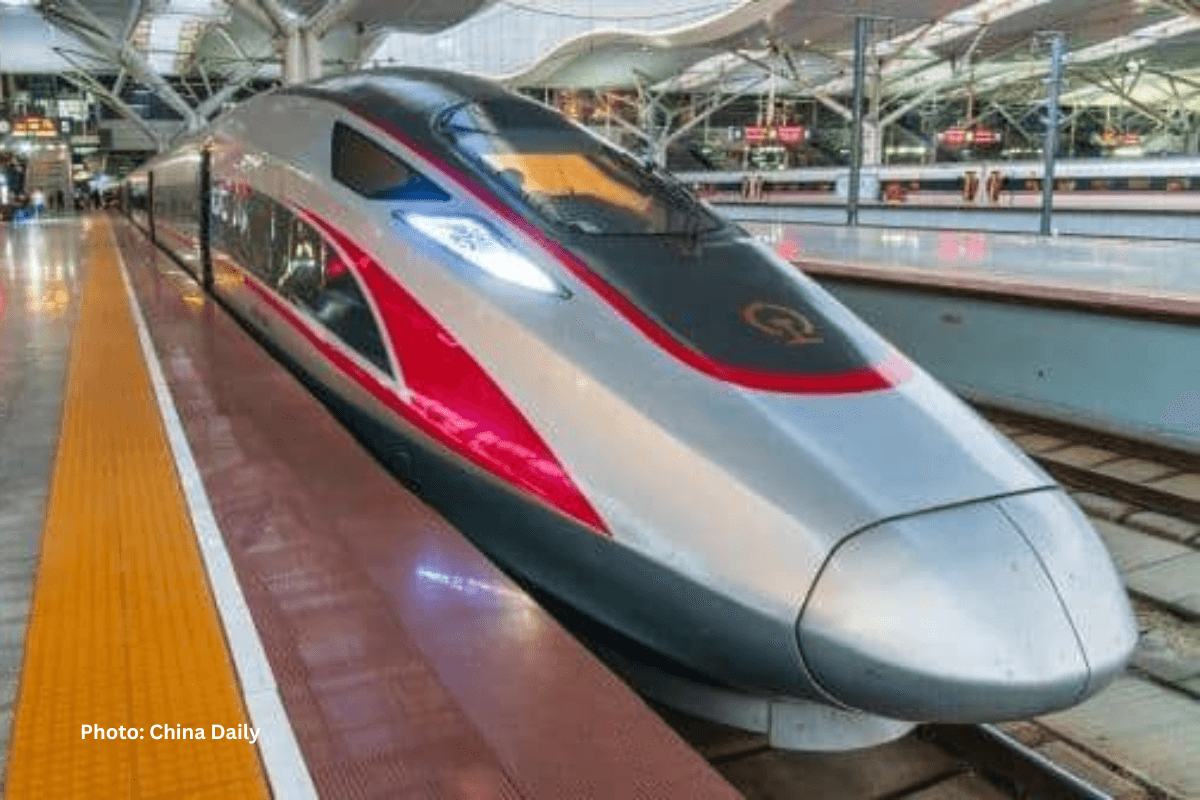
Guangzhou-Shenzhen-Hong Kong High-Speed Rail Enhances Cross-Border Capacity and Regional Integration

Engineering Business Management
Share this story
Asia's rapidly expanding urban centers are increasingly reliant on efficient, integrated rail networks. The Guangzhou-Shenzhen-Hong Kong Express Rail Link is set to significantly boost its daily services, reinforcing its status as a critical cross-border corridor and supporting regional economic integration.


