South Korea, June 2026 — An opinion article published by The Korea Times reflects on the enduring appeal of nostalgic rail travel in South Korea, highlighting how traditional train journeys evoke memories of earlier generations while offering travellers a slower and more immersive way to experience the country's landscapes. The piece contrasts these heritage experiences with the speed and efficiency of today's modern railway network.
South Korea's railway system has undergone significant transformation over recent decades through investments in high-speed rail, electrification, and urban transit. Despite this modernisation, classic rail journeys continue to attract passengers seeking scenic routes, historic stations, and a connection to the country's transport heritage. These services contribute to domestic tourism while preserving the cultural significance of rail travel.
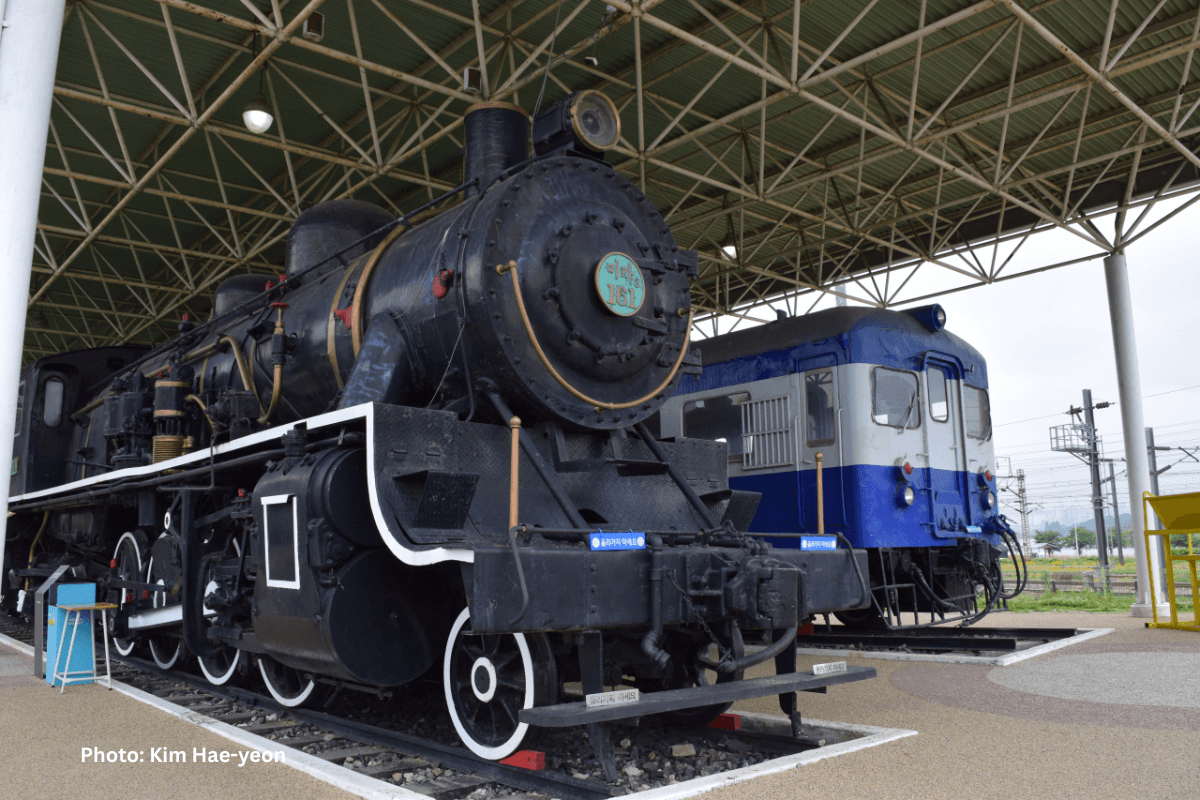
For the rail sector, the article highlights the value of integrating heritage preservation with contemporary railway development. Historic rolling stock, preserved stations, and scenic rail routes can complement modern passenger services by generating tourism revenue, supporting regional economies, and fostering greater public engagement with railway history.
Many railway operators worldwide are adopting similar approaches by maintaining heritage and excursion services alongside commercial operations. These initiatives help preserve engineering heritage, strengthen community identity, and diversify the role of railways beyond everyday transportation.
As countries continue investing in next-generation rail infrastructure, heritage rail experiences remain an important reminder of the industry's evolution. Balancing technological advancement with the preservation of railway history can enhance the long-term social, cultural, and economic value of national rail networks.
Source: The Korea Times
Heritage Rail Journeys Preserve Korea's Railway Legacy And Tourism Appeal

Engineering Business Management
Share this story
Heritage railways continue to play an important role in preserving railway history while promoting regional tourism and public appreciation of rail transport. South Korea's historic train services demonstrate how legacy rail infrastructure can remain relevant by offering cultural experiences alongside modern high-speed and commuter rail operations.