India's ambitious high-speed rail initiative is gaining momentum, positioning the nation as a key player in Asia's expanding network of advanced rail transport. This project represents a significant step in modernizing the country's infrastructure and enhancing inter-city connectivity.
The Mumbai-Ahmedabad corridor, spanning 508 kilometers, is set to operate at speeds of up to 320 km/h. The initial phase, connecting Surat and Bilimora, is slated for an August 2027 launch, with the full route expected to be operational by 2029. This development is a critical component of India's broader strategy to integrate high-speed rail into its national transport system.
This high-speed rail link is projected to drastically reduce travel times, cutting the journey between Mumbai and Ahmedabad from the current 7-8 hours to under two hours. Such improvements are anticipated to foster economic growth by facilitating seamless travel between major commercial hubs and boosting tourism.
Construction is advancing rapidly, with substantial progress reported on viaducts, pier work, and tunnel excavation, including a significant underground section between Mumbai's BKC and Shilphata. The project has received strong backing from national leadership, with Union Railways Minister Ashwini Vaishnaw overseeing its development.
The successful implementation of the Mumbai-Ahmedabad bullet train is expected to serve as a model for future high-speed rail projects across India, aligning with the continent's trend towards faster, more efficient, and environmentally sustainable transportation solutions.
Source: Travel And Tour World
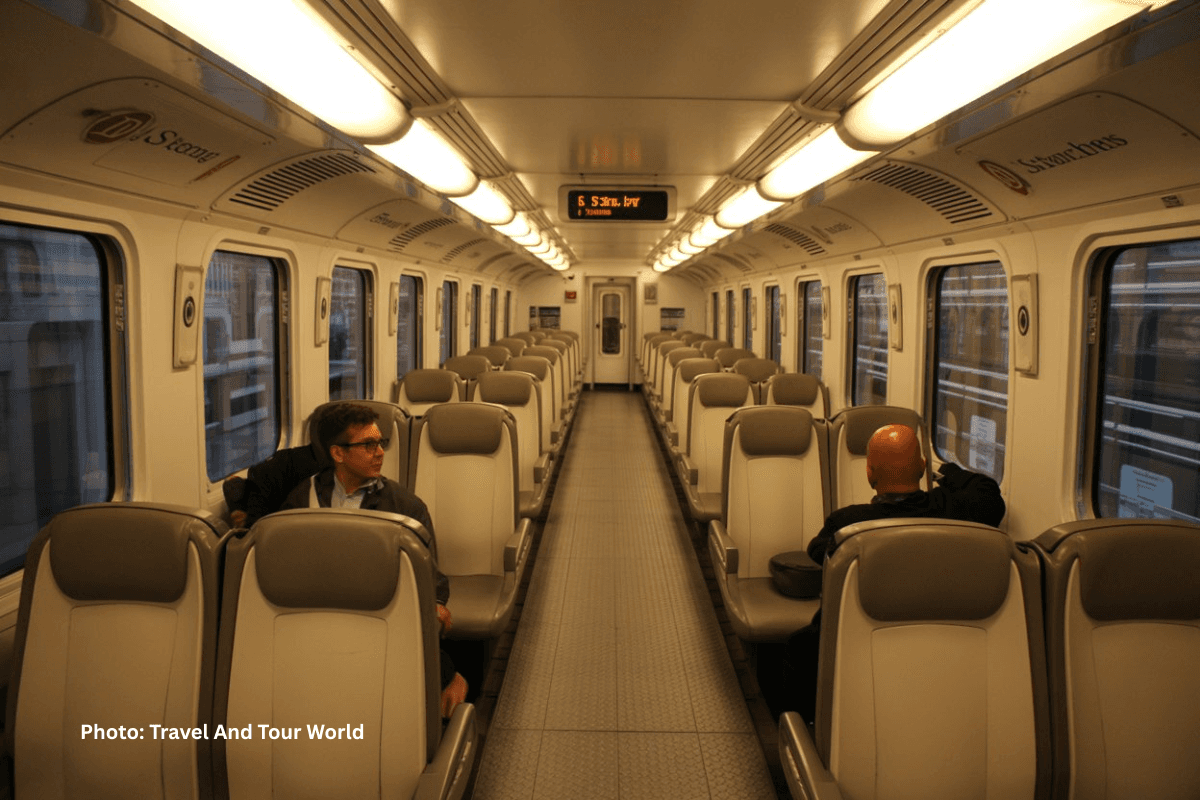
India's Bullet Train Project Accelerates, Signaling Asia's High-Speed Rail Ambitions

Engineering Business Management
Share this story
India is significantly advancing its transportation infrastructure with the development of its first high-speed rail corridor. The Mumbai-Ahmedabad bullet train project is progressing towards its phased operational launch, promising to redefine inter-city travel and bolster economic connectivity across the region.


