JAPAN, April 2026 — The Japan Railways Group (JR Group) has confirmed that the Japan Rail Pass, a widely used unlimited travel ticket for foreign visitors, will see a 5 %–6 % price increase effective 1 October 2026. This marks the first such adjustment in three years and responds to fare revisions made by individual JR companies.
Under the revised pricing structure, a standard seven-day adult pass will rise by approximately ¥3,000 (to ~¥53,000), while 14- and 21-day passes will also see several thousand yen increases across validity periods. Premium seating options such as Green Car passes will likewise become more expensive.
These pricing changes are influencing travel patterns among international visitors, particularly budget-conscious travellers planning multi-city itineraries between Tokyo, Kyoto and Osaka, where rail remains the backbone of intercity mobility. Operators and travel planners are observing that some tourists are recalibrating itineraries, considering alternative transport options or revising trip durations to absorb higher rail costs.
The adjustment aligns with broader revenue management trends across rail operators in Asia and globally, where pricing strategies are recalibrated to balance demand, operating costs and investment needs. It also follows other fare revisions in Japan’s domestic market, including recent base fare increases by individual JR companies.
As inbound tourism continues to recover post-pandemic, the Japan Rail Pass remains a central product for enabling extensive rail travel across the country’s network. However, upcoming higher fares suggest that operators and destination partners may need to reassess pricing incentives and marketing strategies to sustain rail’s appeal among international visitors.
Source: TravelAndTourWorld.com
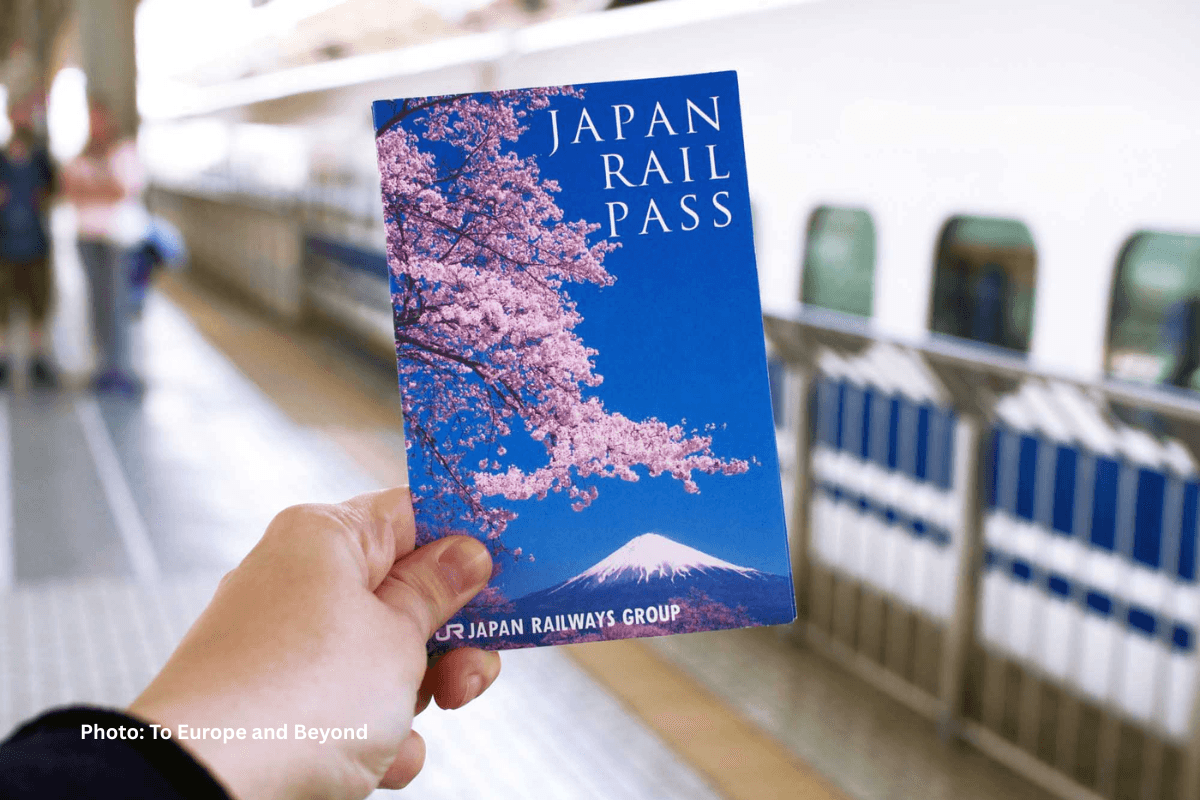
Japan Rail Pass Price Increase Alters Travel Planning On Key Routes

Engineering Business Management
Share this story
International rail tourism products are adjusting to reflect fare growth and cost pressures in major rail markets. Japan is set to revise the iconic Japan Rail Pass, increasing prices for foreign visitors from October 2026, a move that is already prompting shifts in travel plans on popular Tokyo–Kyoto–Osaka corridors and other nationwide routes. The change underscores evolving dynamics in rail-based tourism demand and price sensitivity.


