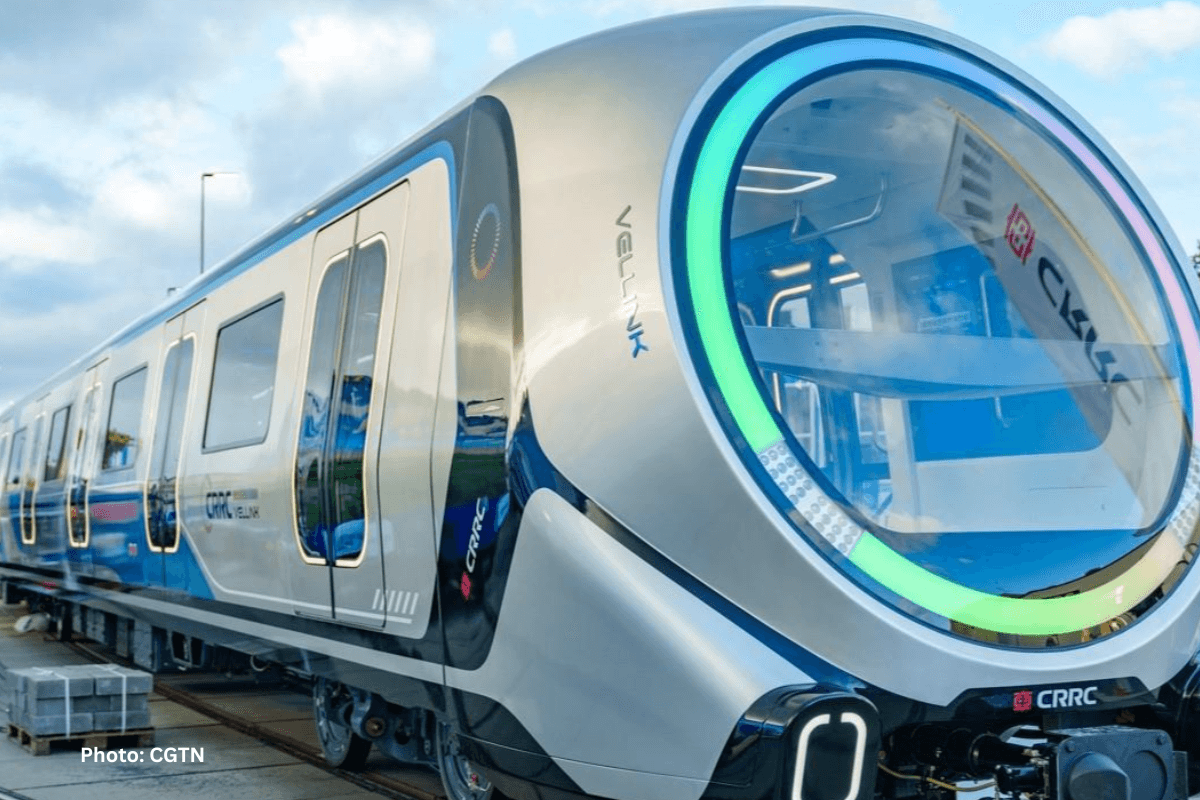
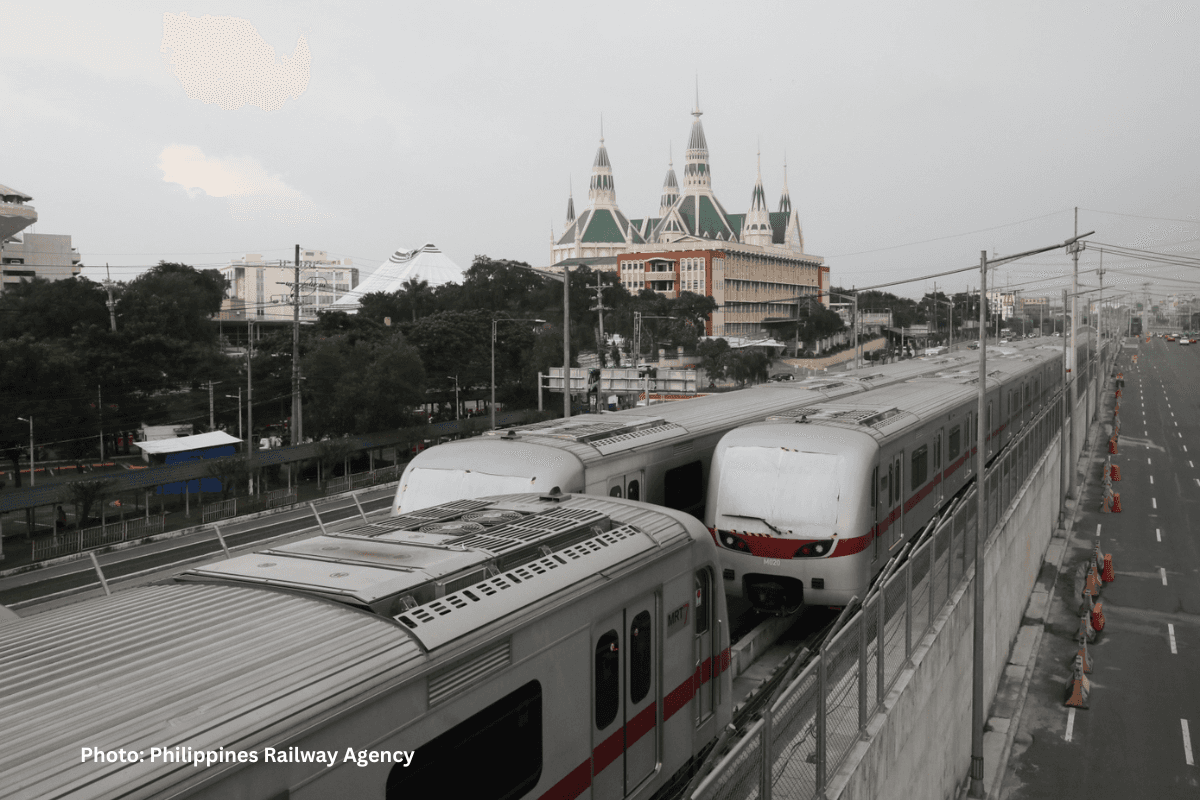
Malaysia, June 2026 — Johor caretaker Chief Minister Onn Hafiz Ghazi has urged Malaysia's federal government to accelerate the implementation of the state's Elevated Autonomous Rapid Transit (E-ART) project, describing it as the most critical long-term solution for managing the anticipated surge in cross-border passenger traffic once the RTS Link begins operations. He made the appeal during the launch of the Southern Shuttle train service at Kulai Railway Station, attended by Transport Minister Anthony Loke.
While acknowledging ongoing short- and medium-term initiatives—including expanded park-and-ride facilities, smart traffic management and the reorganisation of bus, taxi and e-hailing services at JB Sentral—Onn Hafiz stressed that these measures are temporary. He noted that the E-ART project remains the key transport investment needed to distribute passenger flows efficiently across Johor Bahru once the RTS Link opens.
The E-ART proposal was previously approved by Malaysia's Cabinet, but construction has yet to commence. State leaders are seeking greater clarity on the implementation schedule, particularly regarding the start of physical works, to ensure the network is delivered in time to complement the RTS Link and relieve pressure on the city's transport infrastructure.
The renewed push for the project highlights the growing importance of integrated rail and urban transit planning in supporting cross-border mobility. As the RTS Link nears completion, timely delivery of the E-ART system will be essential to providing seamless last-mile connectivity, reducing road congestion and maximising the benefits of one of Southeast Asia's most significant rail infrastructure projects.
Source: Channel News Asia

Johor Urges Faster Delivery of Elevated ART Network

Engineering Business Management
Share this story
As cross-border rail connectivity expands, efficient last-mile transit has become essential to managing passenger demand and urban mobility. Johor has renewed calls for the expedited implementation of its Elevated Autonomous Rapid Transit (E-ART) system ahead of the launch of the Johor Bahru–Singapore Rapid Transit System (RTS) Link in 2027.