TOKYO, March 2026 — Japan's extensive railway network, a critical component of its infrastructure, is facing increasing strain due to a growing labor shortage. This challenge directly impacts the ability to conduct essential maintenance and safety inspections, raising concerns about operational continuity and service reliability.
In response, East Japan Railway (JR East) recently demonstrated its dedicated training program designed to equip foreign workers with the necessary skills for railway safety inspections and maintenance. The program focuses on hands-on training, enabling participants to operate specialized equipment crucial for maintaining the safety and efficiency of the rail system.
This strategic investment in foreign worker training signifies a broader trend within Japan's transportation sector to mitigate the effects of an aging workforce and declining birth rates. By integrating skilled foreign labor into critical operational roles, JR East aims to secure its maintenance capabilities and uphold its commitment to passenger safety.
The initiative aligns with Japan's ongoing efforts to address labor deficits across various industries by welcoming and training foreign nationals. This approach is vital for sectors reliant on specialized technical skills, such as railway operations, where maintaining high safety standards is paramount.
As Japan's rail infrastructure continues to evolve, programs like JR East's training initiative are essential for ensuring long-term operational resilience and safety. This proactive strategy not only addresses immediate labor needs but also contributes to the sustainable future of the nation's vital transportation network.
Source: Nikkei Asia
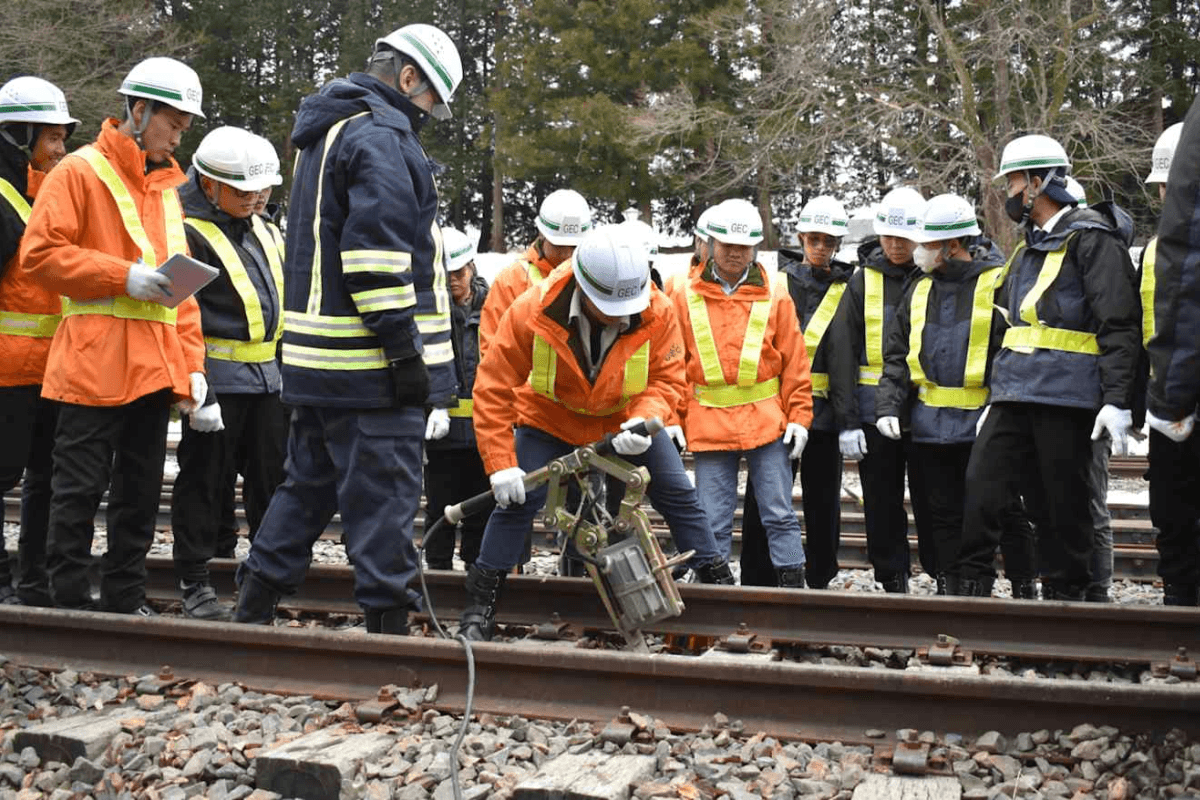
JR East Enhances Railway Safety and Maintenance with Foreign Worker Training Program

Engineering Business Management
Share this story
Japan's rail sector is grappling with a significant labor shortage impacting network maintenance. East Japan Railway (JR East) is proactively addressing this by showcasing its specialized training program for foreign workers in safety inspections and maintenance. This initiative aims to bolster operational capacity and ensure continued safety standards across its extensive network.


