ASTANA, May 2026 — Kazakhstan is accelerating plans for a large-scale rail infrastructure programme designed to strengthen freight connections between China and Europe while reducing dependence on traditional transit routes. The project forms part of the country's broader strategy to expand its role as a key logistics gateway across Eurasia.
The investment programme focuses on expanding rail capacity, improving cross-border connectivity, and supporting growing freight demand along the Middle Corridor and other transcontinental routes. Kazakhstan has experienced increasing cargo volumes moving between China and Europe as shippers seek alternatives to routes affected by geopolitical tensions and regional disruptions.
Recent instability affecting transport access through Iran has further highlighted the strategic importance of resilient inland rail corridors. For landlocked Central Asian economies, reliable rail infrastructure remains critical for maintaining access to international markets and reducing exposure to disruptions affecting maritime and southern trade routes.
Kazakhstan has spent the past decade strengthening its international rail links, including connections through Turkmenistan and Iran as well as routes toward the Caspian Sea and Europe. The country continues to position itself as a central transit hub within Eurasian supply chains, supported by growing cooperation with neighbouring countries and China on freight corridor development.
The development reflects a broader trend across Eurasia, where governments and logistics stakeholders are investing heavily in rail infrastructure to improve supply chain resilience, diversify trade routes, and accommodate rising demand for faster and more predictable land-based freight transport between Asia and Europe.
Source: Bloomberg News
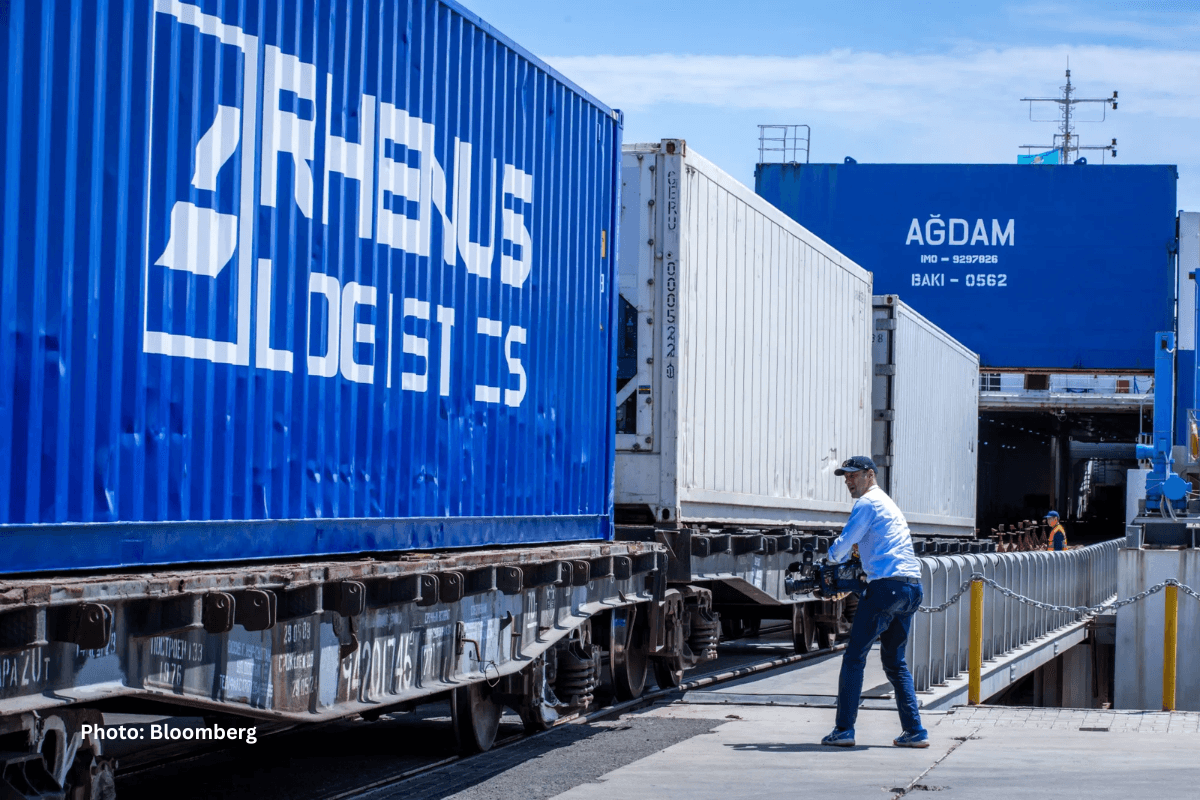
Kazakhstan Accelerates Rail Corridor Plans Amid Eurasian Trade Shifts

Engineering Business Management
Share this story
Growing geopolitical uncertainty is reshaping freight flows between Asia and Europe, increasing interest in alternative overland transport corridors. Kazakhstan is now advancing a major rail investment programme aimed at strengthening its role as a strategic transit hub linking China, Central Asia, and European markets. The initiative has gained renewed momentum as regional instability linked to the Iran conflict highlights the vulnerability of existing trade routes. A proposed US$10 billion rail development programme is expected to enhance Kazakhstan’s position within emerging Eurasian transport networks and support long-term cargo diversification efforts.


