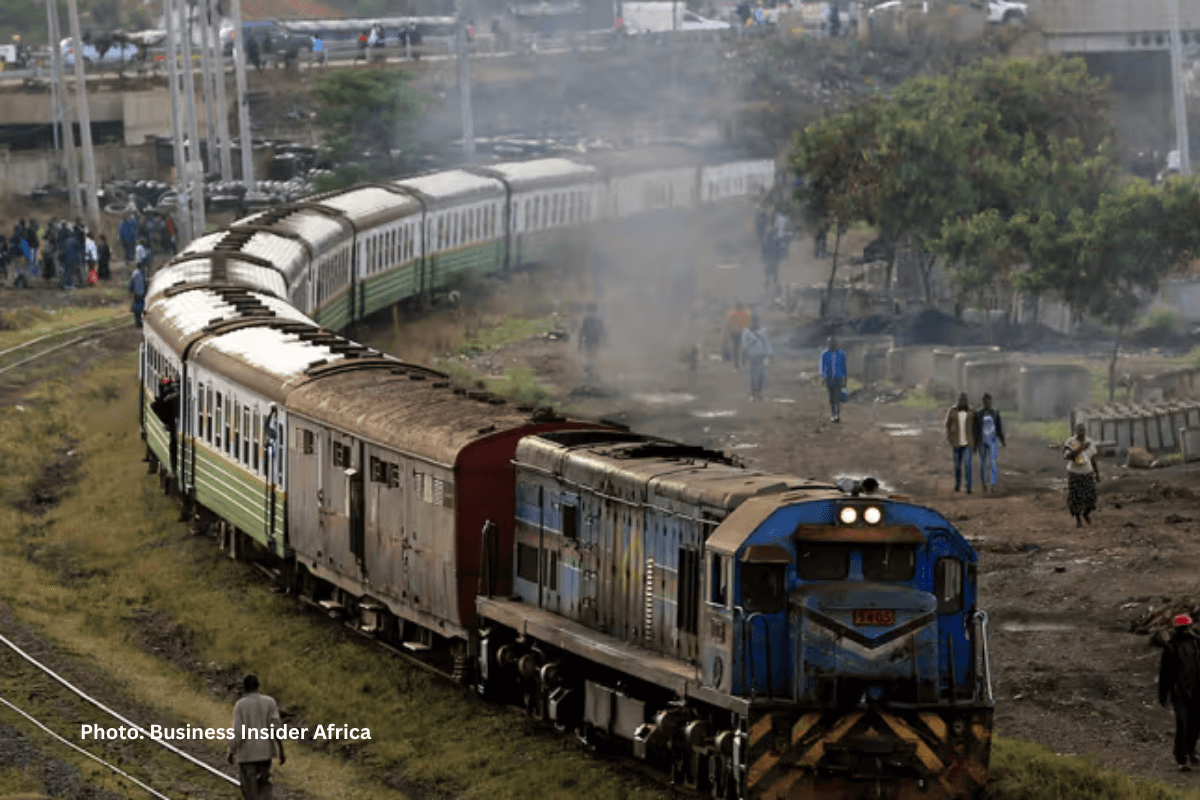
KENYA, March 2026 — The Kenyan government is advancing plans to revitalize a critical piece of its colonial-era infrastructure, focusing on a substantial railway upgrade. This initiative is designed to create a new, efficient transport artery for the nation's burgeoning energy sector and broader industrial needs.
The project involves constructing approximately 640 kilometers of meter-gauge railway, connecting the Rift Valley's Nakuru to the north-western oil fields near South Lokichar. With an estimated cost of $1.7 billion (220 billion shillings), the railway will utilize rail tank cars for transporting crude oil to an Indian Ocean port by 2030.
This development is poised to offer a more cost-effective and flexible solution for crude oil logistics compared to previous methods. The inclusion of capacity for clinker, cement, and minerals alongside oil is expected to significantly enhance the railway's commercial viability and integrate it into Kenya's wider transport network.
The choice of a meter-gauge line over standard-gauge was driven by considerations of easier construction and substantially lower costs. This pragmatic approach underscores a focus on delivering essential infrastructure efficiently within the project's budget and timeline.
This strategic investment in rail infrastructure aligns with global trends of developing specialized corridors for resource export and enhancing logistical capabilities. It positions Kenya to capitalize on its oil resources while simultaneously improving its capacity for transporting other key commodities, fostering economic growth and connectivity.
Source: Business Insider Africa
Kenya Pursues $1.7 Billion Rail Modernization for Strategic Crude Oil Exports

Engineering Business Management
Share this story
Enhancing national infrastructure for resource export is crucial for economic development. Kenya is undertaking a significant $1.7 billion project to modernize a colonial-era railway for crude oil transport, aiming to establish a vital export corridor by 2030.