The Government of Khyber Pakhtunkhwa, in coordination with Pakistan Railways, has initiated pre-feasibility work for the proposed Peshawar Valley Railway commuter system in the Peshawar metropolitan region of Pakistan. The project aims to rehabilitate existing rail corridors to introduce diesel multiple unit services linking Peshawar with surrounding urban centres. The current milestone is the establishment of a joint provincial–federal technical framework to evaluate infrastructure readiness, operating models, and phased corridor development.
The proposed suburban rail system is structured as a phased programme covering several corridors across the Peshawar Valley. Phase 1 focuses on the 62 km Peshawar–Nowshera–Jahangira section. Phase 2 extends services across additional corridors, including 65 km of Nowshera–Mardan–Dargai, 27 km of Mardan–Charsadda, 18 km of Peshawar–Jamrud, and 60 km of Kohat–Jand. These alignments largely follow existing Pakistan Railways right-of-way, reducing the need for new track formation but requiring signalling upgrades, track rehabilitation, and rolling stock deployment for suburban operations.
Officials indicate the service concept will utilise diesel multiple units and railcars operating over existing broad-gauge infrastructure, potentially under an access arrangement in which the provincial authority pays track access charges to Pakistan Railways. The joint working group between the provincial government and the federal railway operator will assess passenger demand modelling, cost–benefit analysis, and long-term operating sustainability during the feasibility stage.
The corridors connect to the national Karachi–Peshawar Main Line (ML-1), Pakistan’s principal trunk railway spanning approximately 1,687 km. Integration with this trunk line would allow suburban services to interface with inter-city operations at Peshawar Cantonment and Nowshera Junction, requiring timetable coordination and capacity allocation on shared track sections.
From an engineering perspective, the programme will require track rehabilitation, signalling interface adjustments, and station infrastructure upgrades to support higher-frequency commuter operations on corridors historically designed for lower-density inter-city services. Rolling stock procurement is expected to prioritise diesel multiple units capable of operating on non-electrified broad-gauge track while maintaining short operating headways.
Delivery risk remains moderate due to unresolved funding arrangements and the reliance on legacy infrastructure that may require substantial renewal to meet commuter rail reliability standards.
Strategically, the Peshawar Valley Railway would establish a suburban rail network in the north-west of Pakistan, strengthening regional connectivity between Peshawar, Nowshera, Mardan, and adjacent industrial districts while improving utilisation of existing Pakistan Railways infrastructure.
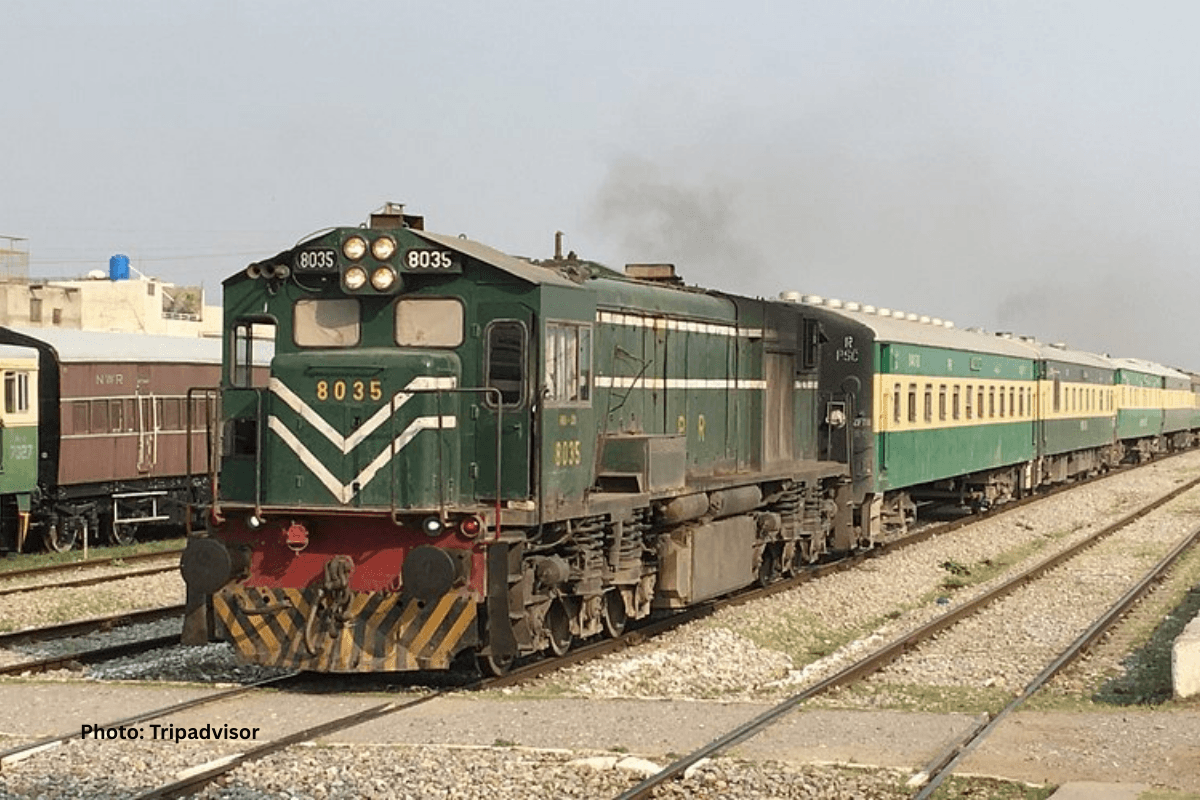
KP Government Initiates Pre-Feasibility for Peshawar Valley Railway Commuter Network

Engineering Business Management
Share this story
The Government of Khyber Pakhtunkhwa, in coordination with Pakistan Railways, has initiated pre-feasibility studies for the proposed Peshawar Valley Railway commuter network. The project aims to rehabilitate existing corridors to introduce diesel multiple unit services linking Peshawar with surrounding urban centres in the valley region.


