LAOS, March 2026 — Southeast Asia's transportation landscape is experiencing a seismic shift with the expansion of high-speed rail networks, positioning the region for unprecedented connectivity. Laos, historically landlocked, is emerging as a crucial hub through new high-speed rail links, signaling a new era for regional travel and commerce.
Malaysia and Thailand have significantly advanced their rail collaboration, agreeing in December 2024 to overhaul cross-border connectivity. A key component is the development of a high-speed rail link, integrating high-speed and freight services, with the double-track link between Ipoh and Padang Besar forming a vital part of this strategy.
These integrated rail projects are designed to dramatically shorten travel times, boost tourism, and foster economic growth by connecting key cities and commercial centers. The initiative aims to encourage investment, streamline logistics, and promote cross-border tourism, thereby enhancing ASEAN's competitive edge and deepening economic cooperation.
Collectively, these Laos-Thailand-Malaysia rail initiatives will form the backbone of the North-South Economic Corridor. This corridor is envisioned to facilitate seamless goods movement from Kunming in China, through Laos, Thailand, and Malaysia, ultimately reaching the ports of Singapore.
The ongoing development of these transformative high-speed rail expansions, including projects like the Khamsavath station and Malaysia's East Coast Rail Link, are bringing the vision of a unified, well-connected Southeast Asia closer to reality, offering new travel experiences and fostering regional economic power.
source: Travel And Tour World
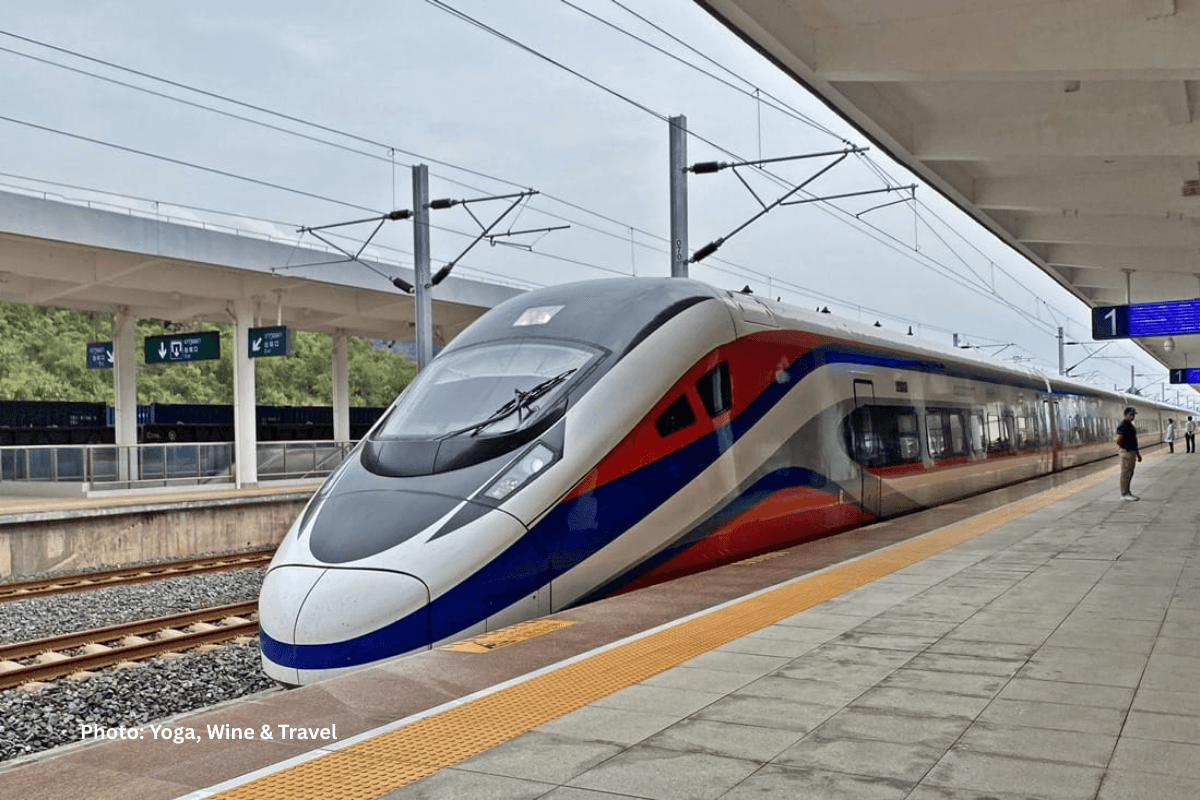
Laos, Thailand, and Malaysia Advance Regional High-Speed Rail Connectivity

Engineering Business Management
Share this story
Southeast Asia is undergoing a significant transportation infrastructure transformation. Laos, Thailand, and Malaysia are expanding high-speed rail networks, enhancing cross-border connectivity and set to revolutionize regional travel and economic integration.


