PHILIPINES, April 2026 — The Light Rail Manila Corporation (LRMC), which operates the Light Rail Transit Line 1 (LRT-1), reported a service disruption at approximately 09:55 AM due to a system fault affecting normal train operations. In response, LRMC implemented limited operations, allowing trains to continue on a reduced schedule while corrective measures were undertaken.
This limitation resulted in service restrictions across various segments of the line, with certain stations experiencing diminished frequency and temporary suspensions pending thorough safety assessments and equipment checks. LRMC later confirmed that full operations resumed that day after the issues were addressed.
Urban rail networks like LRT-1 serve tens of thousands of commuters daily in Metro Manila but are vulnerable to disruptions in electrification, signalling, and power supply. Such outages can lead to widespread delays, impacting passenger mobility and ancillary transport systems.
To manage this situation effectively, LRMC activated emergency protocols, ensuring timely communication with passengers about service modifications and facilitating a swift return to normal operations. This incident highlights the necessity for ongoing investment in preventive maintenance, rapid fault diagnosis, and infrastructure improvements. As urban areas across Asia aim to expand capacity while ensuring reliable service, the importance of these investments is increasingly evident.
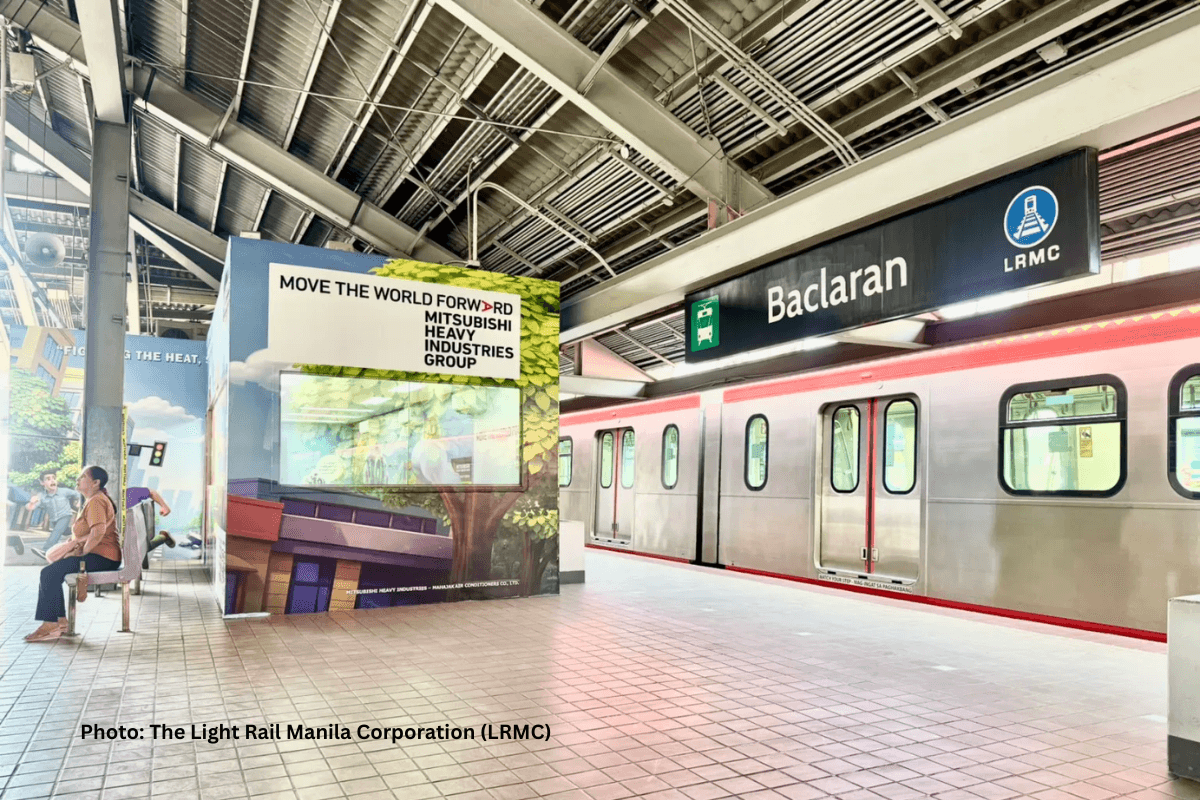
LRT-1 Implements Limited Operations Following Infrastructure Fault

Engineering Business Management
Share this story
Rail system resilience and service continuity are critical for maintaining reliability in urban transit networks. Manila’s Light Rail Transit Line 1 (LRT-1) entered limited operations this week following an infrastructure issue, impacting service delivery on one of the Philippines’ busiest urban rail corridors. This event highlights the operational sensitivity of light rail systems to technical disruptions and underscores the need for robust response protocols.


