BALTIMORE, March 2026 —The planning and execution of major urban transit infrastructure projects are frequently subject to evolving financial and logistical considerations. Baltimore's proposed Red Line is reportedly undergoing such scrutiny, with officials exploring alternative strategies to address implementation challenges.
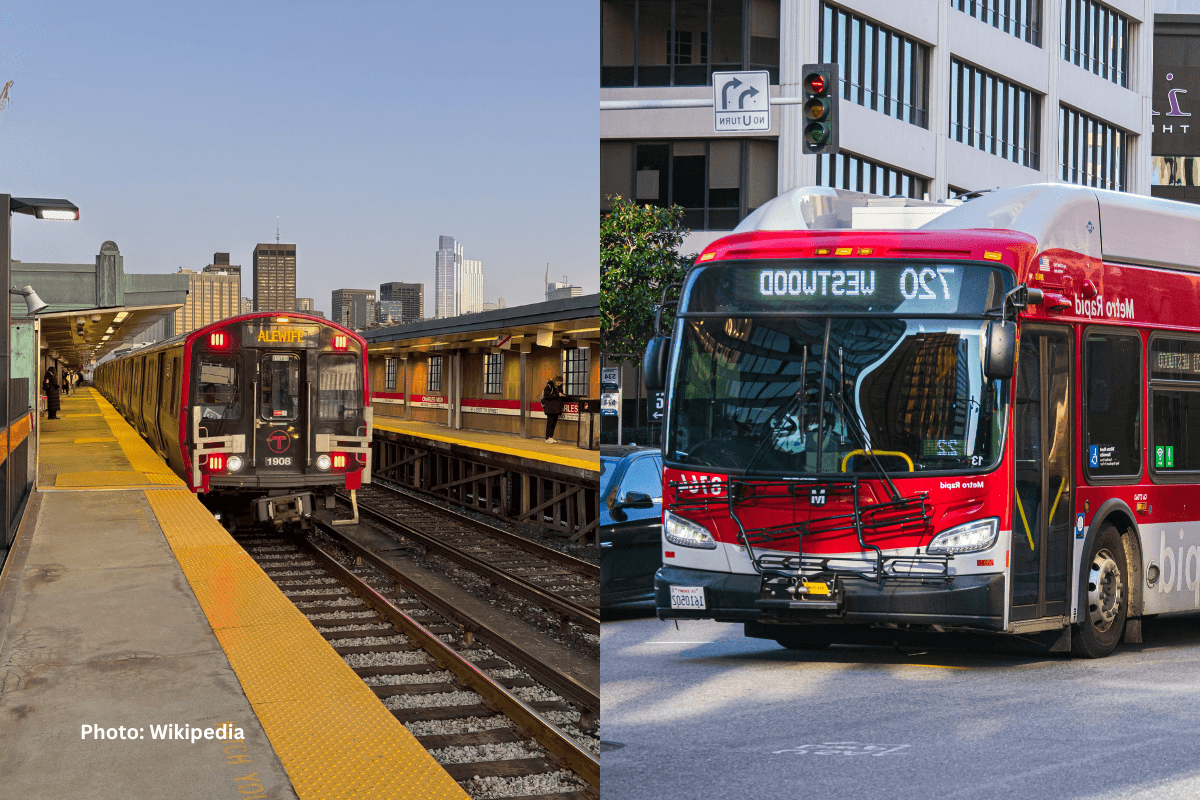
Sources indicate that Maryland transportation authorities are developing contingency plans for the east-west Red Line, contemplating a transition from its planned light rail configuration to a rapid bus service. This potential pivot stems from concerns regarding the assurance of federal funding, escalating project costs, and complexities in acquiring necessary land parcels in East Baltimore.
This strategic re-evaluation could significantly impact the future of public transit in Baltimore. A shift to a rapid bus system might offer a more agile and potentially less capital-intensive solution compared to light rail, though it would represent a departure from the project's original vision.
While specific financial figures or direct stakeholder quotes are not yet public, the exploration of alternative transit modes aligns with broader industry trends. Many transit agencies are increasingly assessing the viability of diverse service models to optimize delivery and operational efficiency.
The reported consideration of a rapid bus service for Baltimore's Red Line highlights the adaptive approach required in modern infrastructure development. It underscores the ongoing industry imperative to balance ambitious transit goals with pragmatic fiscal realities and site-specific challenges.
Source: WYPR News
Maryland Red Line Project Re-evaluation: Light Rail Pivot to Rapid Bus Considered

Engineering Business Management
Share this story
Transit infrastructure projects globally face funding and execution challenges. Maryland officials are reportedly exploring a significant shift for Baltimore's Red Line, considering a rapid bus service over light rail due to cost and acquisition concerns. This decision could influence future transit planning in urban corridors.