In Mexico, the Corredor Interoceánico del Istmo de Tehuantepec (CIIT) project has seen former British Rail Class 43 High Speed Trains (HST), once icons of the UK's 125 mph InterCity service, repurposed for passenger operations. These trains now connect the Gulf port of Coatzacoalcos with the Pacific terminal of Salina Cruz across the Isthmus of Tehuantepec. The initiative is part of a $2.8 billion infrastructure revival, aiming to provide an interoceanic land bridge alternative to the Panama Canal.
For the Asian rail sector, this Mexican initiative highlights a strategy of asset repurposing that could be emulated. By integrating heritage rolling stock like the HSTs, operators can offer unique tourism experiences and cater to specific market segments, potentially boosting revenue streams beyond standard freight and passenger services. This approach could also be cost-effective compared to procuring entirely new fleets for niche routes.
The project leverages the power of the Paxman Valenta engines and the iconic status of the Class 43s, attracting rail heritage enthusiasts. Beyond tourism, the CIIT aims to bolster southern Mexico's economy through logistics parks and industrial corridors, positioning itself as a significant alternative for transcontinental trade. The integration with the Maya Train network further underscores a regional strategy to enhance connectivity and economic development.
This transformation of British HSTs into key components of Mexico's new interoceanic corridor reflects a growing global trend towards sustainable infrastructure development, which often incorporates heritage elements. Such projects demonstrate how revitalized rail assets can drive economic activity, support tourism, and create vital trade links, offering valuable lessons for similar initiatives across Asia's rapidly evolving transportation landscape.
Source: Travel And Tour World
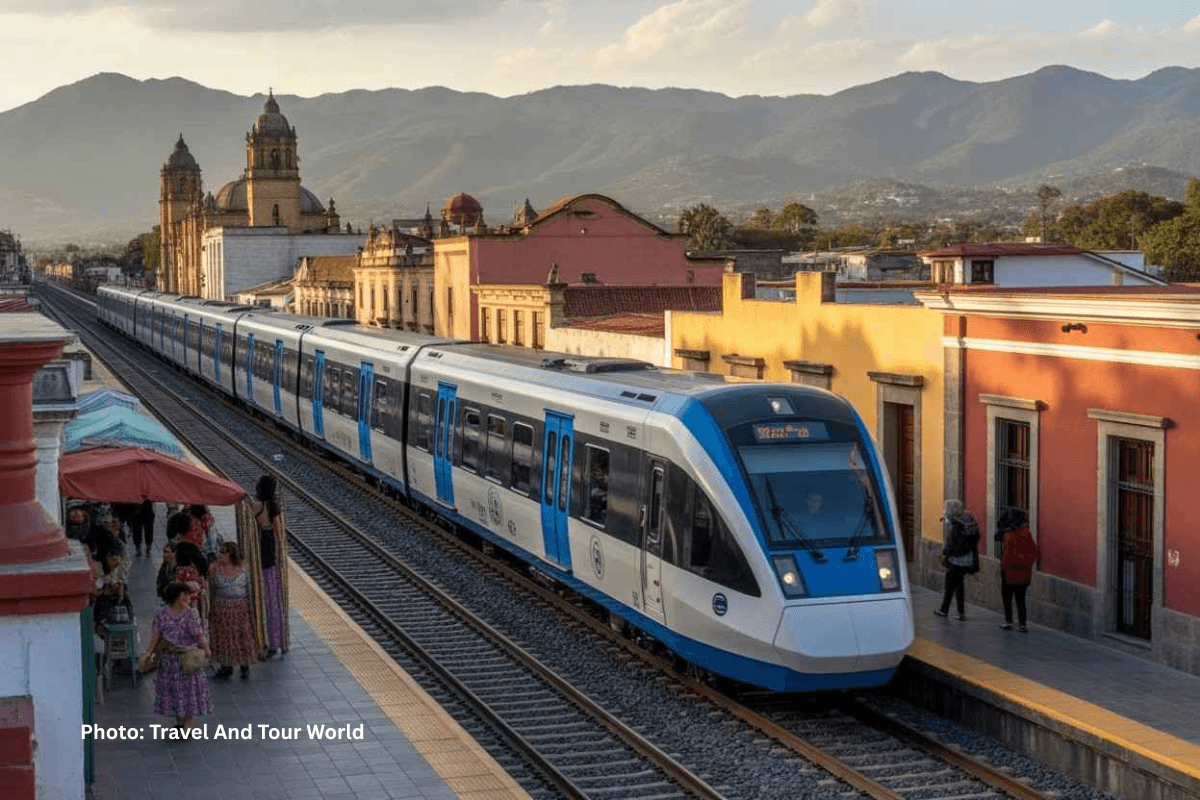
Mexico's CIIT Project: A Model for Heritage Rail Integration in Emerging Asian Corridors

Engineering Business Management
Share this story
Across Asia, nations are investing heavily in expanding rail networks and intermodal connectivity, often seeking to integrate modern infrastructure with existing assets and historical significance. The development of new freight and passenger corridors is a key strategy for economic growth and regional integration. This approach often involves finding innovative uses for retired rolling stock or revitalizing heritage lines to enhance tourism and local economies.


