South Africa, February 2026 - South Africa’s long-anticipated plan to introduce bullet trains has now entered a more structured, pragmatic phase. This shift signifies a departure from ambitious timelines towards a focus on measurable outcomes. While initial expectations to launch high-speed trains by the mid-2020s have not been met, the commitment to this vision endures, with plans thoughtfully recalibrated. This progress should inspire confidence among policymakers and investors that the project is moving forward with realistic goals.
Government planners have moved away from sweeping national declarations to adopt a corridor-based strategy that prioritises feasibility, funding security, and economic viability. This refined approach reflects critical lessons from previous infrastructure initiatives, in which overambition occasionally hindered execution. The current emphasis is on establishing a credible first high-speed rail line before considering further expansion. Additionally, the government intends to maintain transparency and stakeholder engagement to ensure broad support and accountability during project development.
The Limpopo–Gauteng high-speed rail project remains the most advanced proposal. This initiative is designed to link Pretoria with Polokwane and, in subsequent phases, with Musina near the Zimbabwean border. The project aims to significantly reduce travel times and alleviate pressure on heavily utilised road networks. Current projections indicate that construction may commence toward the end of 2026, contingent upon final approvals, with anticipated operational commencement around 2030. However, potential delays due to regulatory, funding, or technical challenges could impact these timelines, and stakeholders should consider these risks in planning.
In parallel, renewed discussions regarding a Johannesburg–Durban high-speed corridor suggest that the government is considering long-term strategic options. This route is widely regarded as one of the most commercially viable within the country, although it remains in the exploratory phase. Officials have underscored that private-sector involvement and clear funding mechanisms will be crucial to advancing this project beyond feasibility studies, given the substantial investment required.
The broader rail landscape is also evolving. Authorities are currently reviewing the Gautrain's future operational model as they seek to appoint a new operator beyond 2026. Although the Gautrain is not classified as a bullet train, it remains a significant benchmark for modern passenger rail in South Africa and offers valuable insights for any future high-speed rail network.
Collectively, these developments signify a maturation of South Africa’s rail planning processes. The vision for bullet trains remains intact, now framed by a realistic approach rather than mere rhetoric. Although progress may be incremental, the successful delivery of the first corridor could position the country on a credible trajectory toward high-speed rail, transforming the concept from an ambitious promise into a substantial element of national infrastructure. This pragmatic outlook should reassure all stakeholders that the project is grounded in achievable goals.
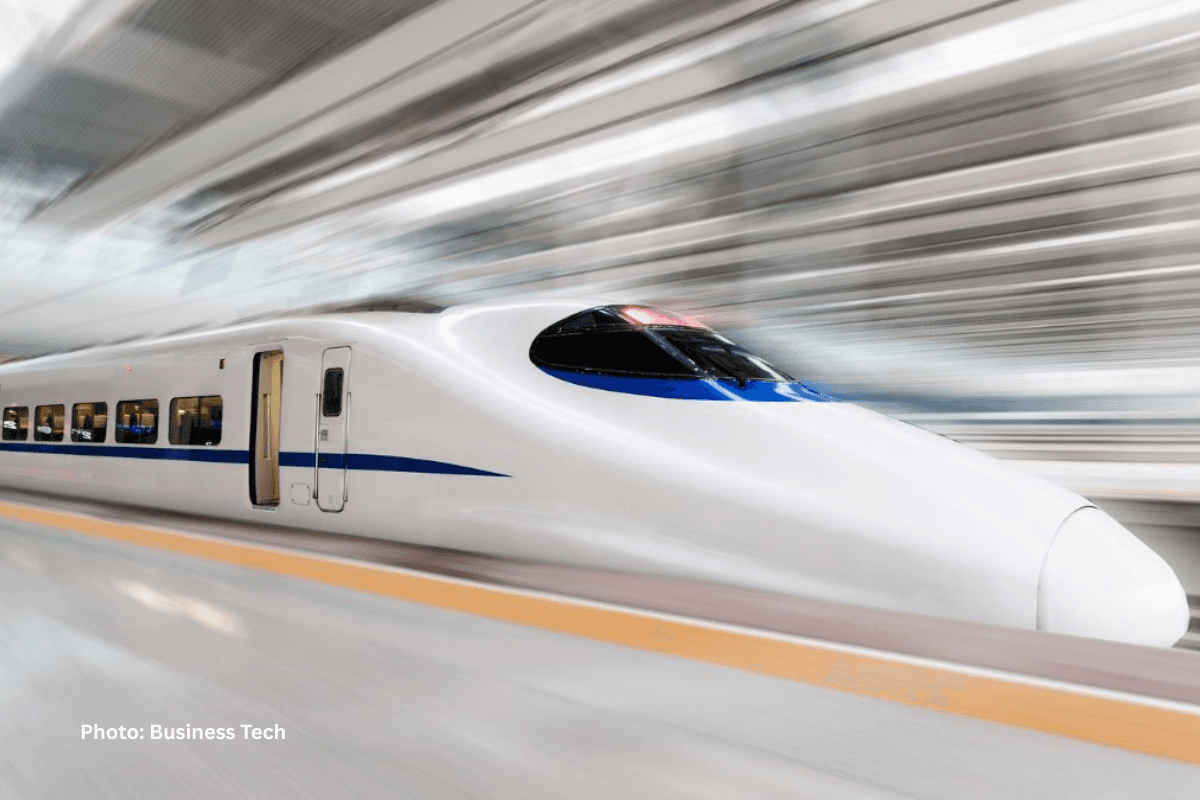
South Africa’s Bullet Train Vision Shifts Gears as 2026 Marks a Turn Toward Realistic Delivery

Engineering Business Management
Share this story
After years of ambitious promises and missed timelines, South Africa’s long-anticipated bullet train programme is entering a more pragmatic phase. As 2026 unfolds, the focus has narrowed from a sweeping national high-speed rail network to a carefully staged rollout, starting with a single priority corridor. The shift signals a deliberate move away from political aspiration toward infrastructure planning grounded in feasibility, funding discipline and long-term economic impact.


