DAMASCUS, March 2026 — Syria is undertaking a series of strategic infrastructure initiatives designed to enhance its position as a key transit hub and mitigate reliance on maritime chokepoints like the Strait of Hormuz. These projects underscore the growing global emphasis on diversifying energy and trade routes through resilient land-based corridors.
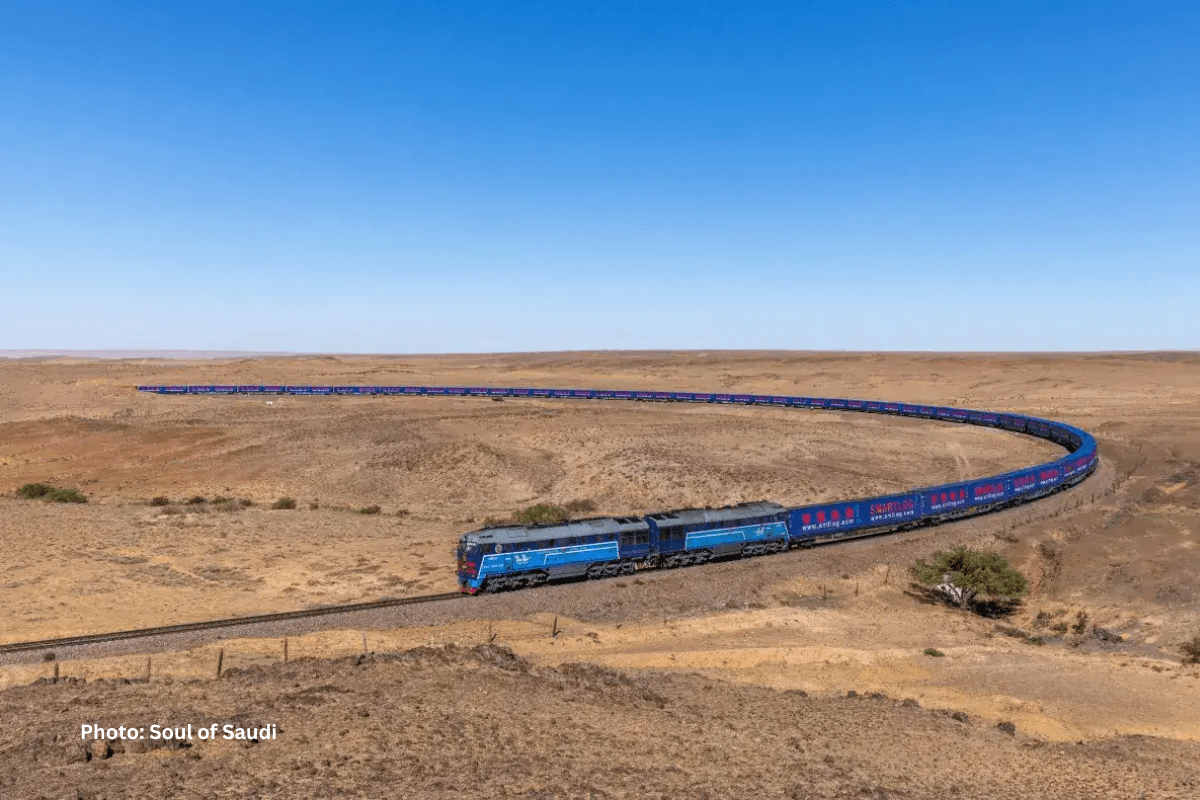
The plan includes modifying the Trans-Arabian Pipeline (Tapline) to transport crude oil to Syrian Mediterranean ports, alongside extending a Qatari natural gas pipeline through Syria to Europe. Crucially for the transport sector, a high-speed railway is proposed to link Saudi Arabia with Syria via Jordan, operating at speeds between 200 and 300 km/h. Additionally, a "fast food security corridor" is envisioned to facilitate rapid movement of goods and food supplies from northern Saudi Arabia into Syria. Work is also underway to rehabilitate and expand the Kirkuk–Baniyas oil pipeline.
These developments are poised to significantly alter regional connectivity, potentially creating new logistical pathways between the Arabian Peninsula and the Levant. The high-speed rail and enhanced pipeline capacities could foster increased trade volumes and offer alternative routes for energy exports, impacting stakeholders across the Middle East and Europe.
Osama al-Qadi, an adviser at Syria's Ministry of Economy and Industry, highlighted the objective of reducing reliance on the Strait of Hormuz, indicating a strategic pivot towards land-based infrastructure. The proposed projects aim to bolster Syria's role in regional and international trade flows.
By investing in these large-scale rail and pipeline networks, Syria is aligning with broader industry trends focused on securing energy supplies and ensuring the resilience of global supply chains against potential disruptions. This strategic infrastructure development signals a commitment to long-term economic and logistical stability in the region.
Source: Shafaq News
Syria Unveils Strategic Rail and Pipeline Projects to Bypass Strait of Hormuz

Engineering Business Management
Share this story
Geopolitical shifts necessitate robust trade route diversification. Syria is advancing ambitious infrastructure plans, including a high-speed rail link and pipeline rerouting, to reduce its dependence on the Strait of Hormuz. These developments hold significant implications for regional transport and logistics networks.