AUSTRIA, April 2026 — Austrian Federal Railways (ÖBB) has initiated a procurement process for up to 300 eHybrid shunting locomotives to enhance its railway network. These hybrid locomotives combine battery-powered and conventional diesel propulsion, offering significant reductions in emissions and fuel consumption during low-speed operations in rail yards and for short distances.
The tender outlines a phased strategy to replace outdated shunting fleets with advanced modular hybrid units capable of operating in purely electric mode for substantial portions of their duty cycles, particularly within terminals and depots. This shift is essential for improving operational efficiency while complying with regulatory requirements to reduce greenhouse gas and particulate emissions.
The transition to hybrid shunters offers numerous advantages for freight terminals and yard managers, including quieter operations in urban areas and reduced operating costs due to lower fuel consumption and maintenance expenses. ÖBB's commitment to this initiative aligns with Austria’s national transport policy, which promotes sustainable rail freight solutions and the establishment of zero-emission corridors.
Furthermore, the tender indicates increasing supplier interest in hybrid propulsion systems. Manufacturers are developing battery-augmented platforms that can integrate with existing infrastructure, allowing rail operators to modernise their fleets strategically.
In summary, this procurement initiative marks a crucial advancement for ÖBB in enhancing fleet performance and sustainability while reflecting a broader industry trend toward adopting hybrid and alternative propulsion technologies in the railway sector.
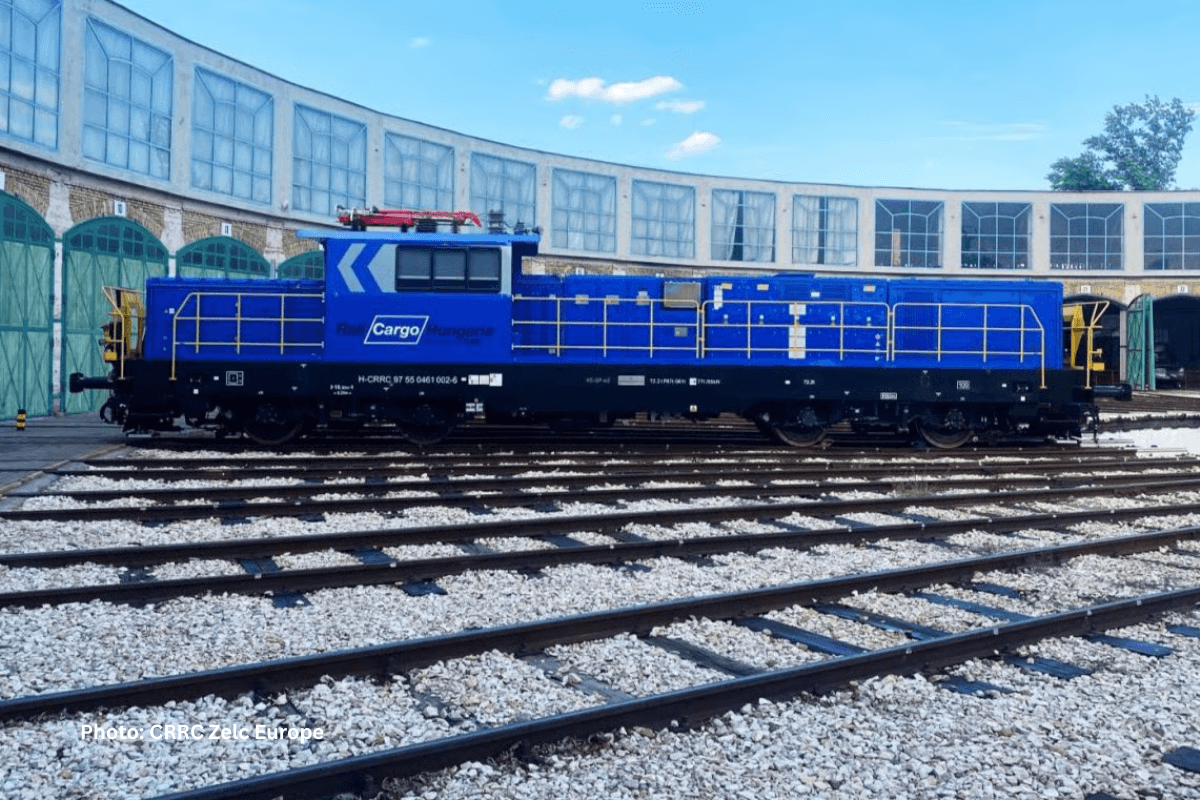
ÖBB Issues Tender For Up To 300 eHybrid Shunting Locomotives

Engineering Business Management
Share this story
Rail operators are increasingly transitioning to low-emission traction as part of broader decarbonisation and efficiency goals across European freight and yard operations. ÖBB’s recent tender for up to 300 eHybrid shunting locomotives aligns with this trend, signalling growing demand for hybrid propulsion solutions in rail yards and short-haul duties.