BANGKOK, May 2026 – Southeast Asia is increasingly focusing on rail connectivity to enhance trade integration, improve logistics efficiency, and promote regional economic growth. Recent initiatives in Thailand highlight the country's commitment to strengthening overland transport links, particularly with Malaysia.
The Ministry of Transport has directed the State Railway of Thailand (SRT) to accelerate Phase 2 of its double-track railway program in the southern region. This phase includes three projects with a total investment exceeding THB 100 billion (approximately USD 3.1 billion), set to enter the tender phase in 2026. A significant project is the 45-km Hat Yai–Padang Besar section, which will connect directly to Malaysia's rail network.
Furthermore, Thai and Malaysian authorities are discussing the reactivation of the Sungai Kolok–Rantau Panjang rail link, which has been inactive for over two decades. Restoring this route will enable a second rail border crossing, facilitating passenger and freight services and improving access to southern Thailand and Malaysia's east coast.
This initiative aligns with developments such as the East Coast Rail Link in Malaysia, expected to be completed in early 2027. With Kota Bharu located approximately 30 km from Sungai Kolok, the revived connection may create new opportunities for cross-border freight and multimodal logistics integration.
Overall, this project underscores the Association of Southeast Asian Nations (ASEAN) 's commitment to interoperable infrastructure and regional supply chain resilience, positioning rail as a key component in enhancing trade and connectivity across Southeast Asia.
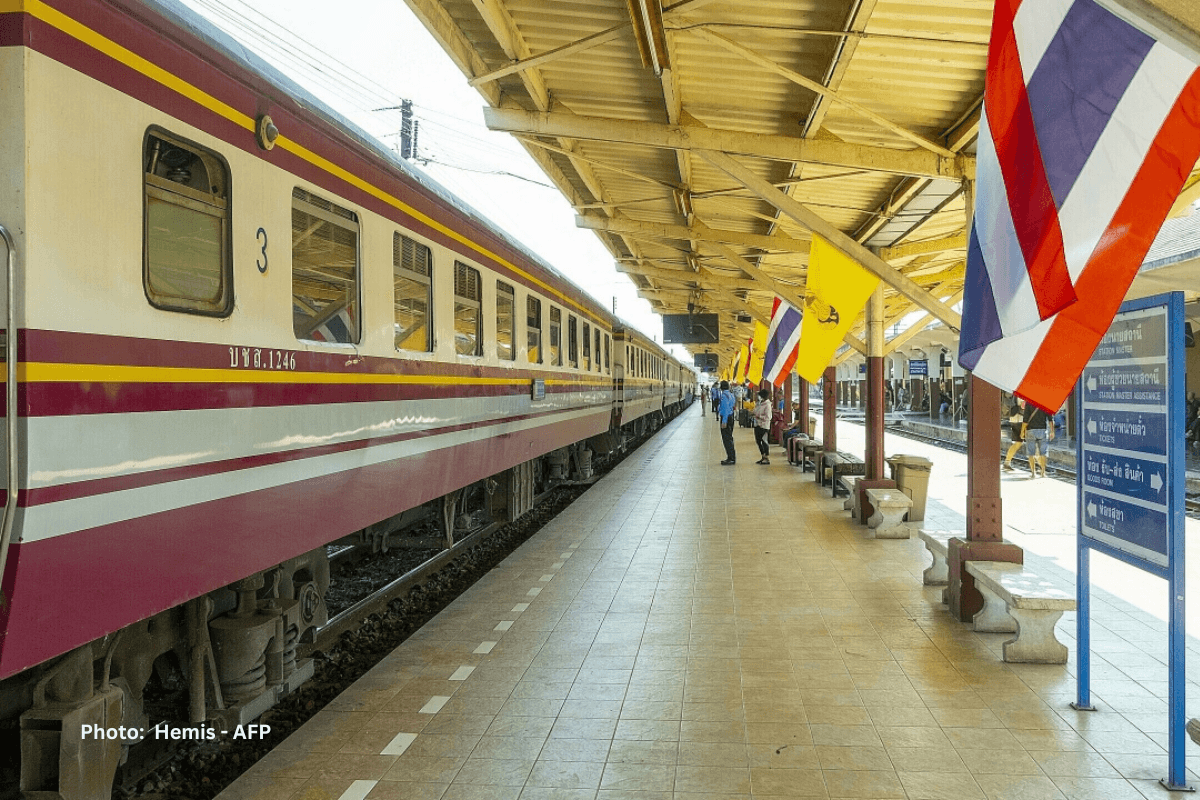
Thailand Accelerates Southern Rail Upgrades to Strengthen Malaysia Connectivity

Engineering Business Management
Share this story
Cross-border rail investment is gaining momentum as ASEAN countries seek more efficient freight and passenger links. Thailand is advancing southern double-track projects and restoring dormant rail connections with Malaysia.