TIANJIN, January 2026 — The northern section of the first phase of the Tianjin Rail Transit Line Z4 commenced operations on January 18, 2026. This significant development represents a noteworthy advancement in the enhancement of the public transportation infrastructure within the city, particularly aimed at improving connectivity in the rapidly evolving Binhai New Area.
This newly operational segment extends 23.7 kilometers and includes 10 strategically positioned stations. These additions play a vital role within the broader Phase 1 framework, which encompasses a total planned distance of 43.7 kilometers and 24 stations. The Z4 line is meticulously designed to facilitate connections between the northern and southern regions of the Binhai New Area and the central district, thereby streamlining transit across essential urban areas.
The expansion of this rail line is expected to be instrumental in optimizing the regional rail system, as it will enable more efficient transit options for commuters and enhance overall traffic flow. By alleviating congestion on roadways, the Z4 line aims to promote greater economic collaboration and social integration throughout Tianjin. Additionally, improved accessibility is anticipated to stimulate urban development initiatives, ultimately contributing to an enhanced quality of life for residents.
On a global scale, urban rail systems have emerged as critical components of sustainable development strategies in major Asian cities, effectively addressing challenges related to traffic congestion and environmental degradation. The Tianjin Z4 line aligns with this international trend, representing a strategic investment in efficient, high-capacity public transportation systems that foster urban growth and connectivity while simultaneously contributing to a more sustainable urban environment.
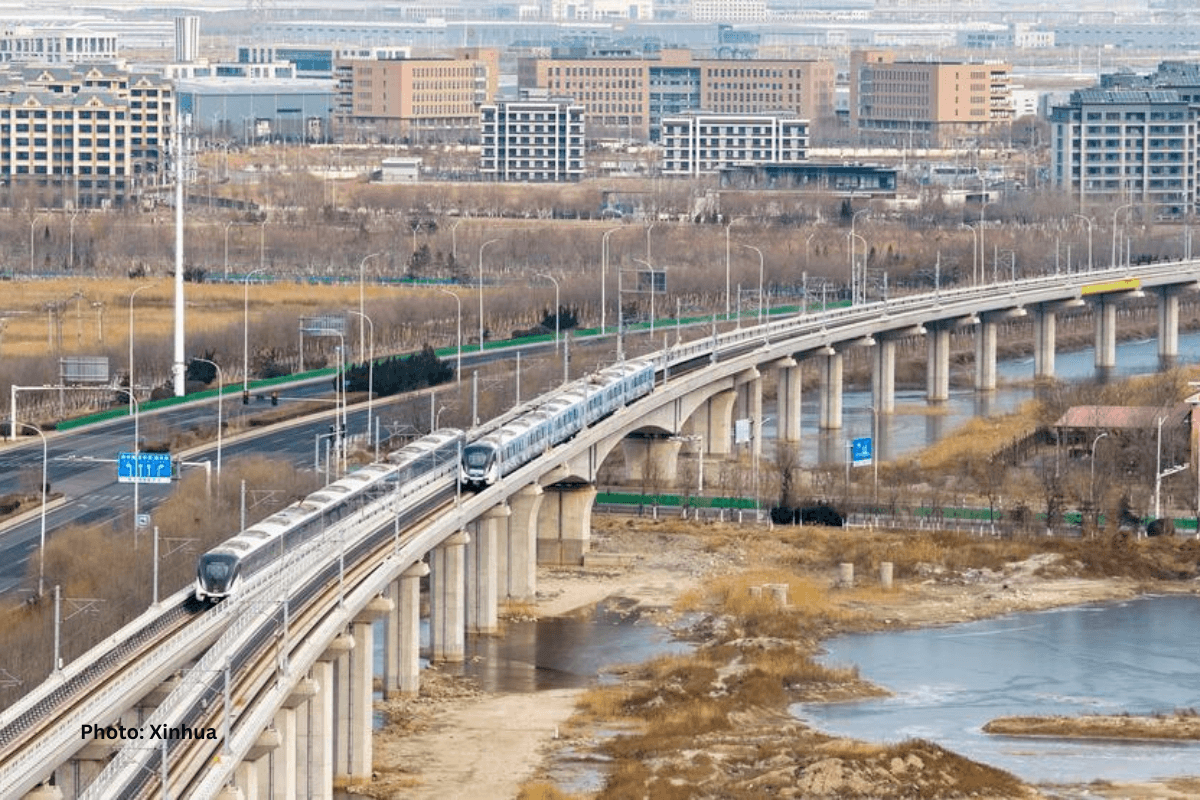
Tianjin Rail Transit Line Z4 Enhances Binhai New Area Connectivity

Engineering Business Management
Share this story
As urban rail expansions continue across Asia, Tianjin has inaugurated a key segment of its Z4 line. This development is crucial for integrating the Binhai New Area and optimizing regional transport networks.


