LONDON, May 2026 — The UK Government has formally responded to the Transport Select Committee’s report on rail investment pipelines, rejecting the conclusion that the rail sector has been subject to recurring “boom and bust” funding cycles. The Committee had argued that inconsistent investment patterns were creating uncertainty for suppliers and slowing long-term delivery efficiency.
In its response, the Government acknowledged that parts of the supply chain perceive volatility in investment, but maintained that there is no evidence of systemic instability in overall rail funding. It emphasised that current funding structures are designed to provide stability through multi-year settlements and structured governance frameworks.
The Transport Committee’s original report called for stronger long-term visibility of rail projects, including regular updates to the Rail Network Enhancements Pipeline (RNEP), which has not been publicly updated since 2019. Lawmakers argued that this lack of transparency contributes to stop-start delivery patterns across major rail programmes.
While the Government agreed on the importance of improving clarity and reducing unnecessary volatility, it stopped short of adopting most of the Committee’s specific recommendations. Instead, it proposed an alternative approach based on structured funding periods and staged investment governance for enhancements and renewals.
The debate reflects a long-standing structural issue in UK rail infrastructure delivery, where policy ambition, funding cycles, and project execution often move at different speeds. Industry bodies have repeatedly warned that inconsistent pipelines can weaken supply chain investment decisions, particularly for engineering firms and rolling stock manufacturers reliant on long-term visibility.
More broadly, the exchange highlights a wider shift in rail governance discourse, where governments are balancing fiscal discipline with the need to maintain stable infrastructure pipelines. As the UK continues to progress major programmes such as network upgrades and long-term enhancement plans, the question of how to align political cycles with rail investment horizons remains central to sector planning.
Source: UK Parliament Transport Committee
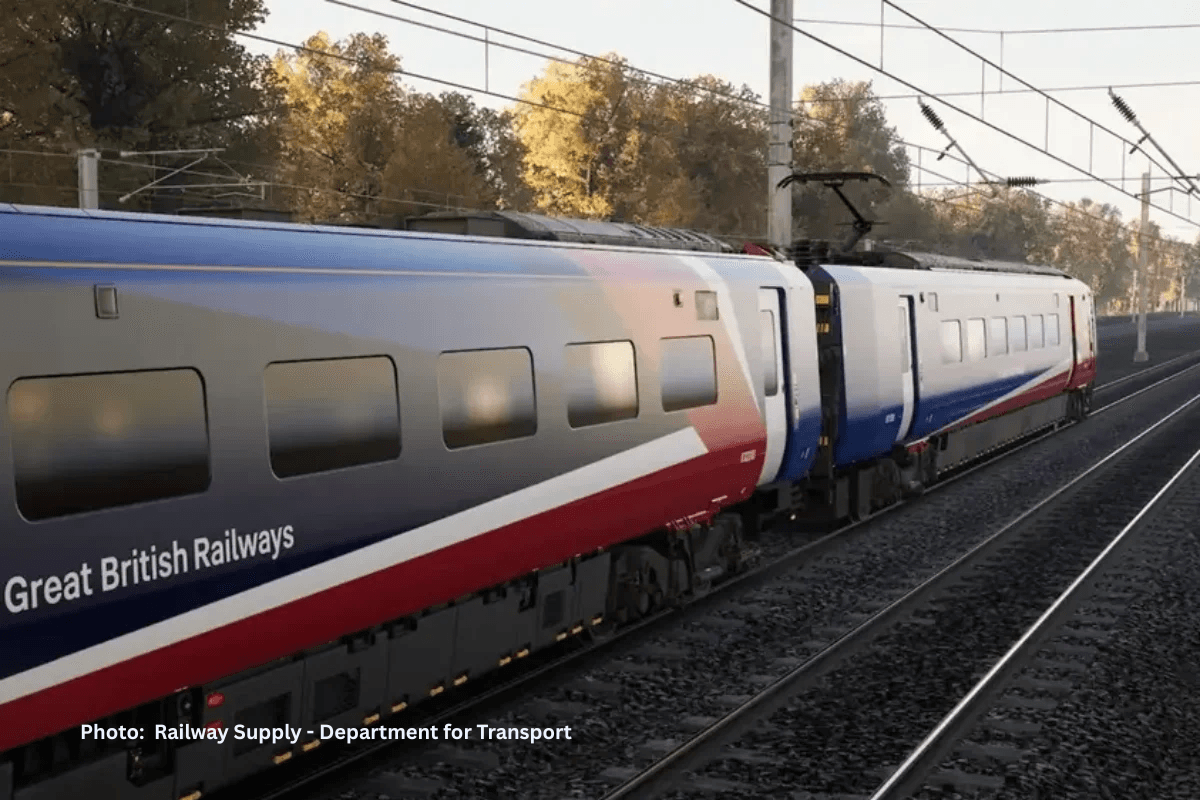
UK Government Rejects “Boom and Bust” Narrative in Rail Investment Review

Engineering Business Management
Share this story
Rail infrastructure funding cycles remain a key debate in shaping long-term supply chain confidence and delivery certainty. The UK Government has responded to a Transport Committee report by rejecting claims that rail investment is characterised by systemic “boom and bust” cycles.