Vietnam's railway infrastructure, largely established over a century ago with a 1,000mm single-track system, faces the growing challenge of meeting modern transport demands. This legacy network navigates complex operational hurdles inherent to single-line operations across the region.
Despite these constraints, Vietnam Railways (VNR) has achieved a significant operational milestone, successfully running 40 trains daily during the peak Tet holiday period. This performance is underpinned by advanced signaling systems, agile dispatching protocols, and robust risk management strategies, necessitating precise scheduling for every train movement.
The capacity demonstrated on this single-track network has impressed international observers, who noted the density of traffic and numerous level crossings. This highlights the efficacy of VNR's management approach and the critical need for technological solutions tailored to specific local conditions and traffic patterns.
The railway system also exhibits resilience, particularly along the North-South line, which is prone to natural disasters. VNR maintains proactive disaster response capabilities, ensuring rapid repair of trackbeds within days of damage, thereby minimizing service disruptions while prioritizing safety.
VNR's achievements underscore a broader trend in Asian rail development: maximizing existing infrastructure through operational innovation and strategic risk mitigation. This focus on efficiency and resilience is vital for sustaining and enhancing critical transport arteries across the continent.
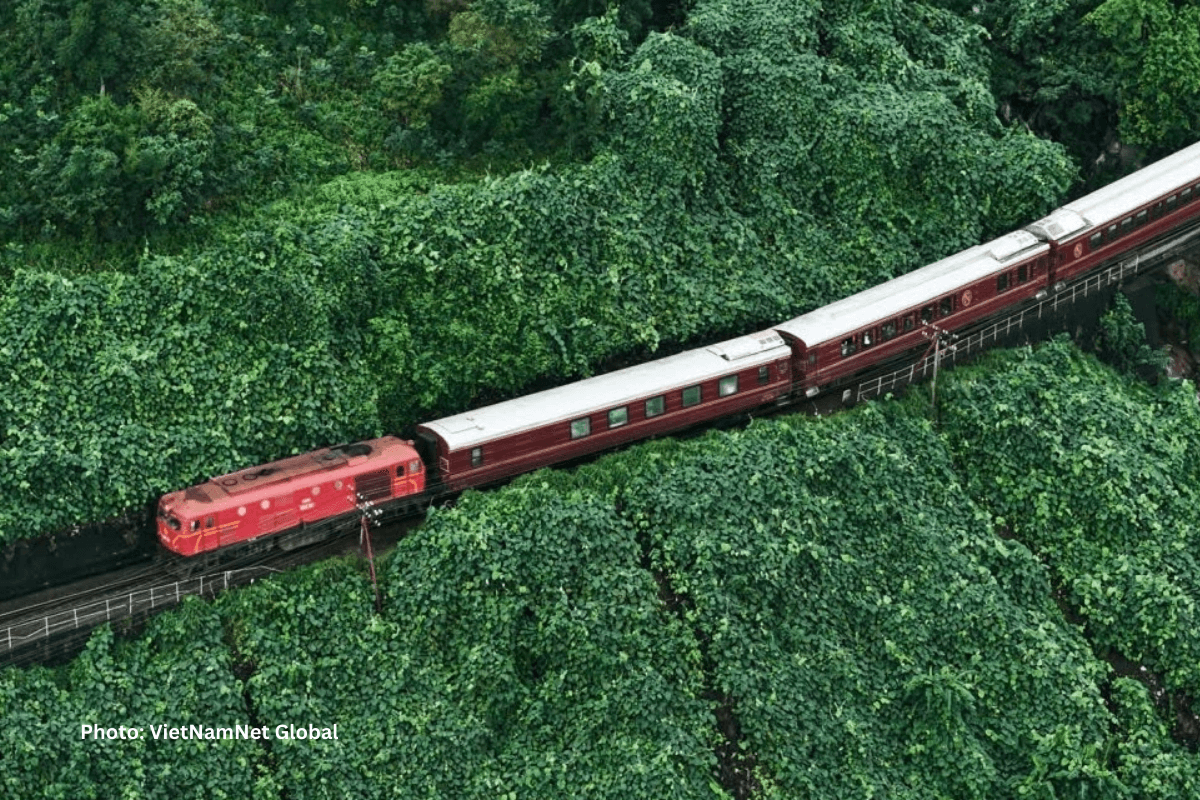
Vietnam's Century-Old Single-Track Railway Demonstrates High Capacity Through Advanced Operations

Engineering Business Management
Share this story
Asia's rail networks face increasing demand on aging infrastructure. Vietnam Railways is demonstrating remarkable operational efficiency, successfully managing dense traffic on its century-old single-track system, even during peak periods.


