DRESDEN, March 2026 — The ongoing drive for enhanced efficiency and environmental responsibility within the rail freight industry necessitates innovative approaches to vehicle design. This research project addresses the critical need for lighter, more sustainable freight wagon superstructures, aligning with broader goals for reducing the carbon footprint of logistics.
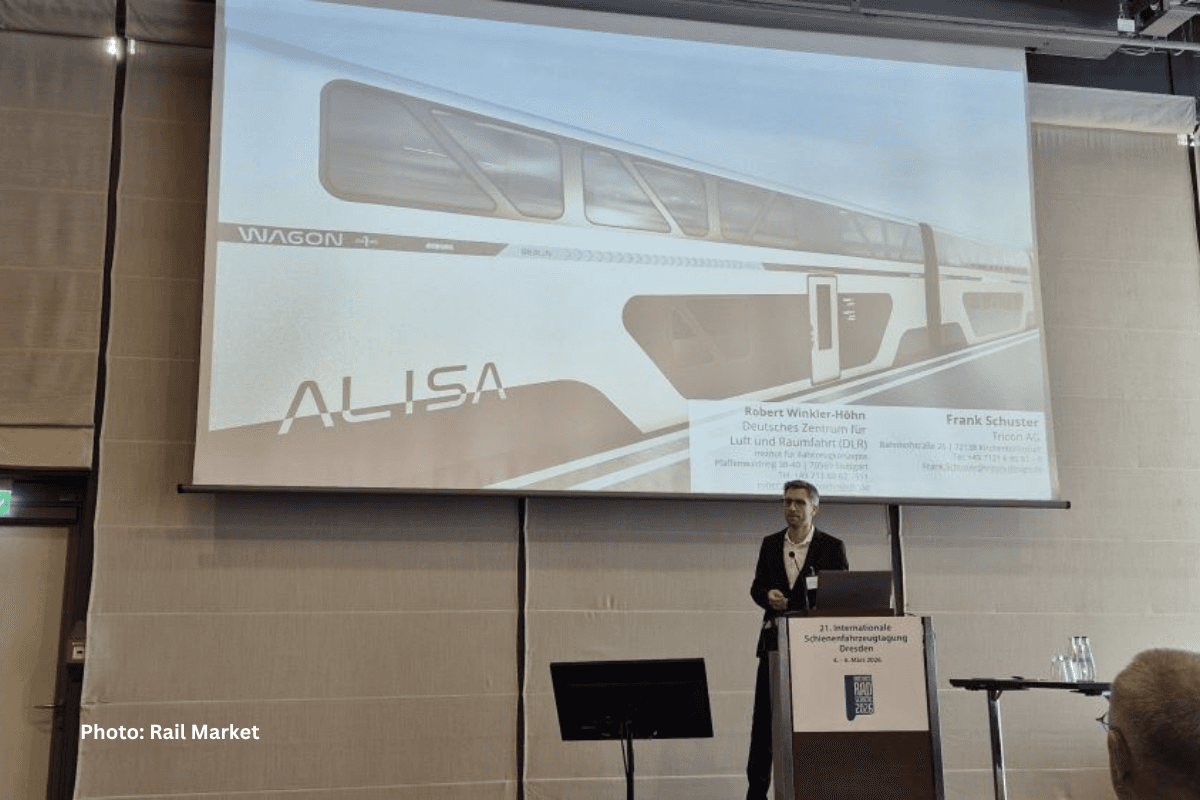
VTG, in collaboration with the DLR Institute of Vehicle Concepts, has presented advancements in the ALFA SGV research project. This initiative, supported by the German Federal Ministry of Education and Research under the DATIpilot programme, targets a material use reduction of up to 30% through optimized design.
The project employs modular, container-like design principles and aims to avoid over-dimensioning, thereby streamlining the entire vehicle lifecycle from initial requirements to ongoing maintenance. This methodology is expected to yield significant benefits in terms of material savings and potentially lower manufacturing and operational costs for freight operators.
By focusing on a new design methodology, the ALFA SGV project seeks to fundamentally rethink how freight wagon superstructures are conceived and built. This approach moves beyond incremental improvements to embrace a more holistic and efficient engineering philosophy for rail freight rolling stock.
These developments underscore a growing trend in the railway sector towards advanced material science and modular construction techniques. Such innovations are crucial for meeting future demands for high-capacity, environmentally conscious, and economically viable freight transportation systems.
Source: Latest Railway News
VTG and DLR Advance Lightweight Freight Wagon Design with ALFA SGV Project

Engineering Business Management
Share this story
The rail freight sector is increasingly focused on sustainability and efficiency. VTG and DLR are presenting progress on their ALFA SGV research project, aiming to significantly reduce material use in freight wagon superstructures. This development could lead to more eco-friendly and cost-effective rail transport solutions.