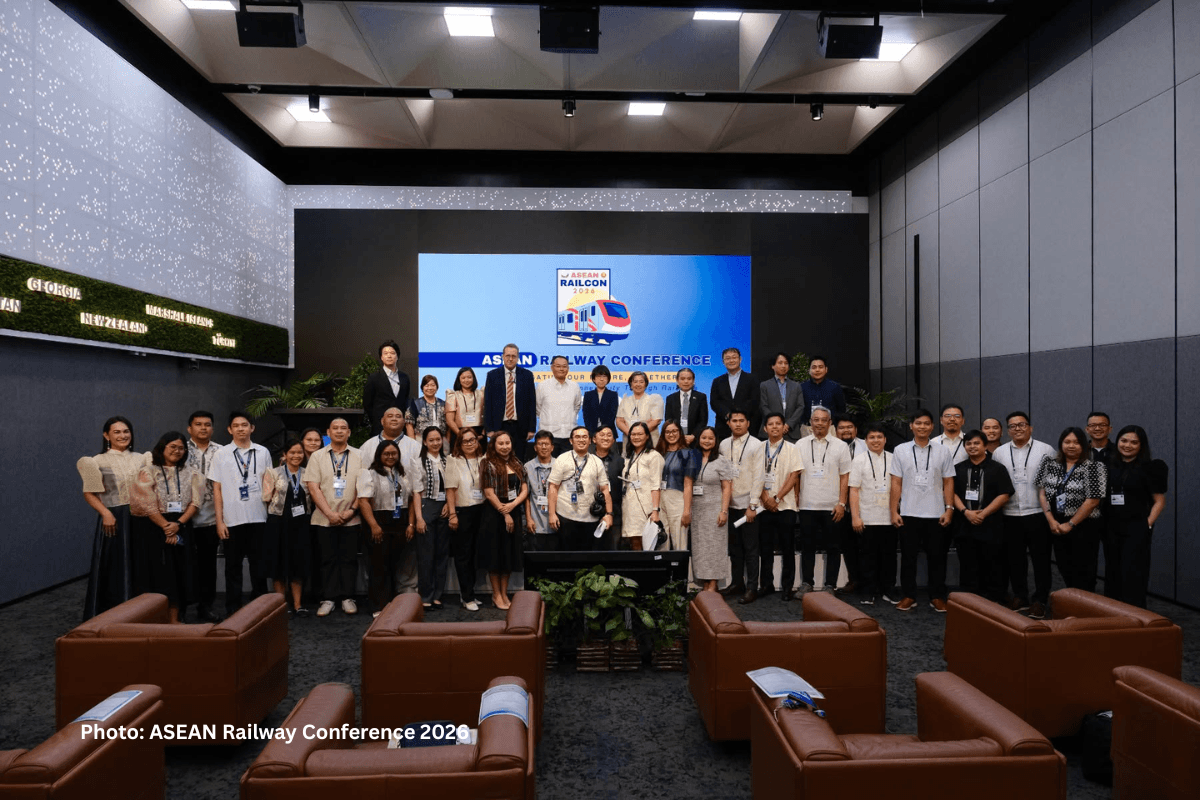

Hosted by the Philippines through the Department of Transportation (DOTr) and the Philippine Railways Institute (PRI), with support from the Asian Development Bank (ADB), the conference marked the first expansion of the Philippine Railway Conference into an ASEAN-wide platform.
Held under the theme "Navigating Our Future, Together: Advancing ASEAN Connectivity Through Railways," the event served as a key forum for regional dialogue, knowledge-sharing, and collaboration aimed at strengthening ASEAN's railway ecosystem and supporting long-term economic growth.
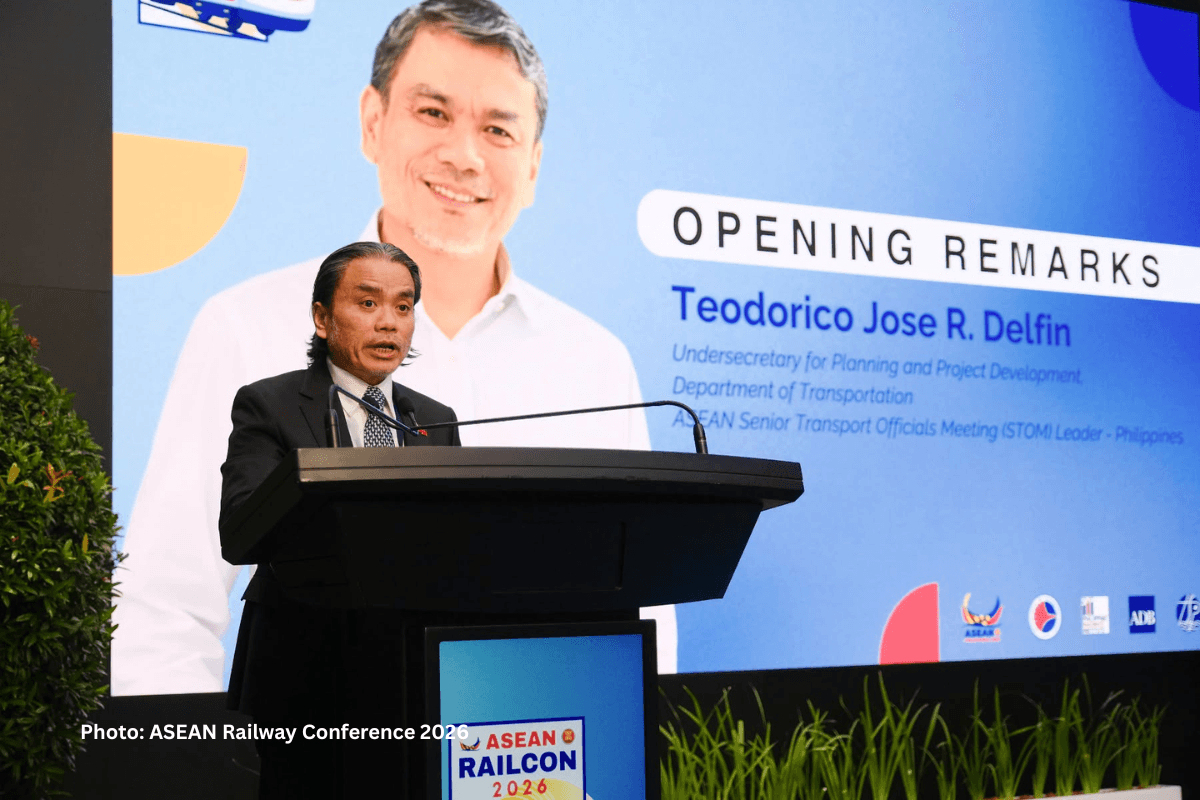
Opening the conference, Department of Transportation Undersecretary Teodorico Jose R. Delfin highlighted the growing importance of railway infrastructure in addressing urban congestion and enhancing economic productivity across the Philippines and the wider ASEAN region.
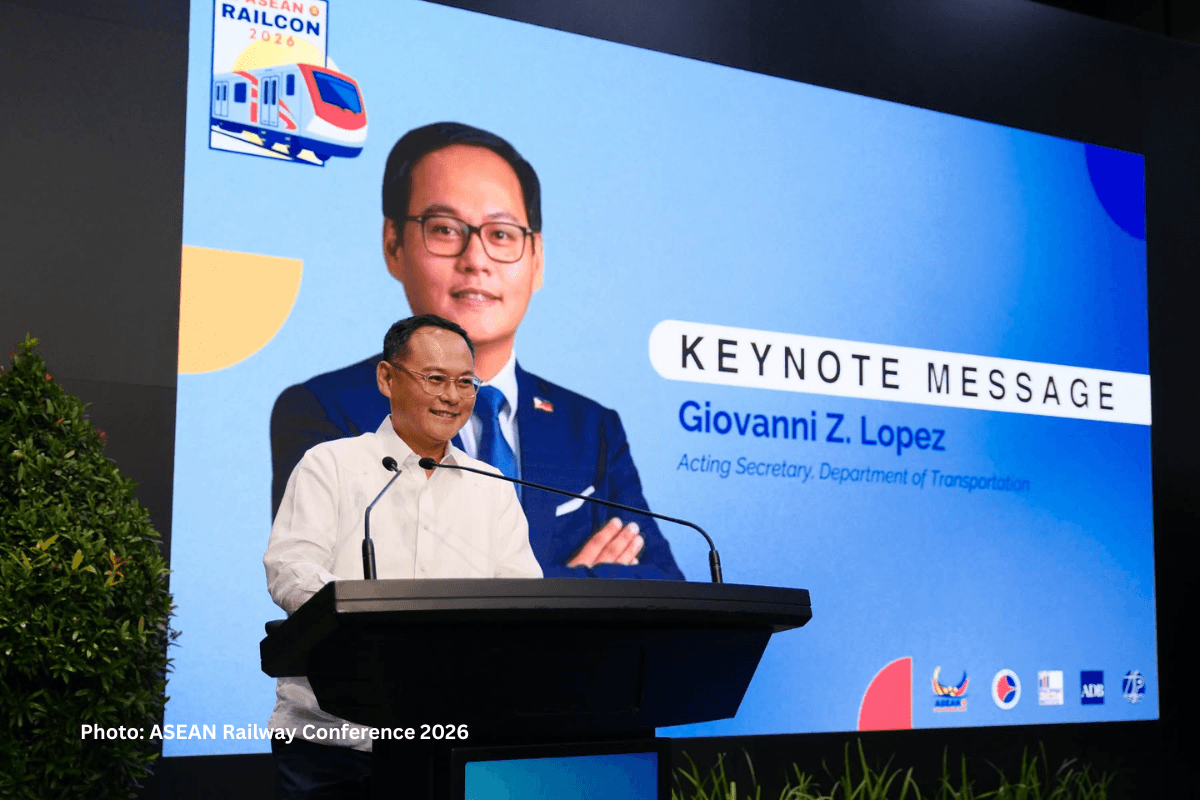
The message was reinforced by Transportation Secretary Giovanni Z. Lopez, who emphasised that modern rail systems are no longer simply transport projects but critical national investments that improve mobility, stimulate economic growth, and enhance quality of life.
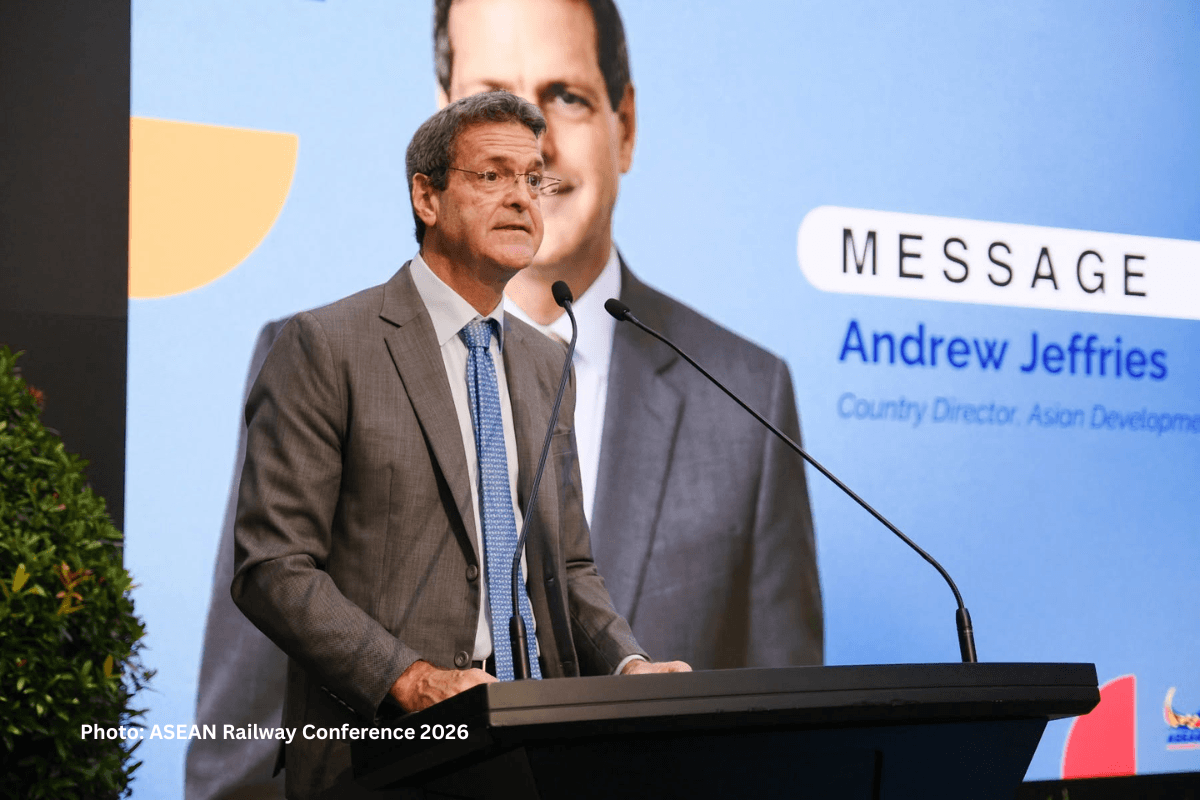
Andrew Jeffries, Country Director of the Philippines Resident Mission at the Asian Development Bank (ADB), reaffirmed the institution's commitment to supporting sustainable transport infrastructure across the region, while H.E. Satvinder Singh, Deputy Secretary-General of the ASEAN Secretariat, underscored the strategic role of railways in advancing ASEAN connectivity and regional integration. Their remarks reflected a broader consensus that railway development will play a central role in achieving ASEAN's long-term economic and sustainability ambitions.
Digital Transformation and Sustainable Mobility
The conference's first day featured a series of technical sessions involving global railway organisations and operators, including Tokyo Metro, UIC (International Union of Railways), UN ESCAP and UITP.
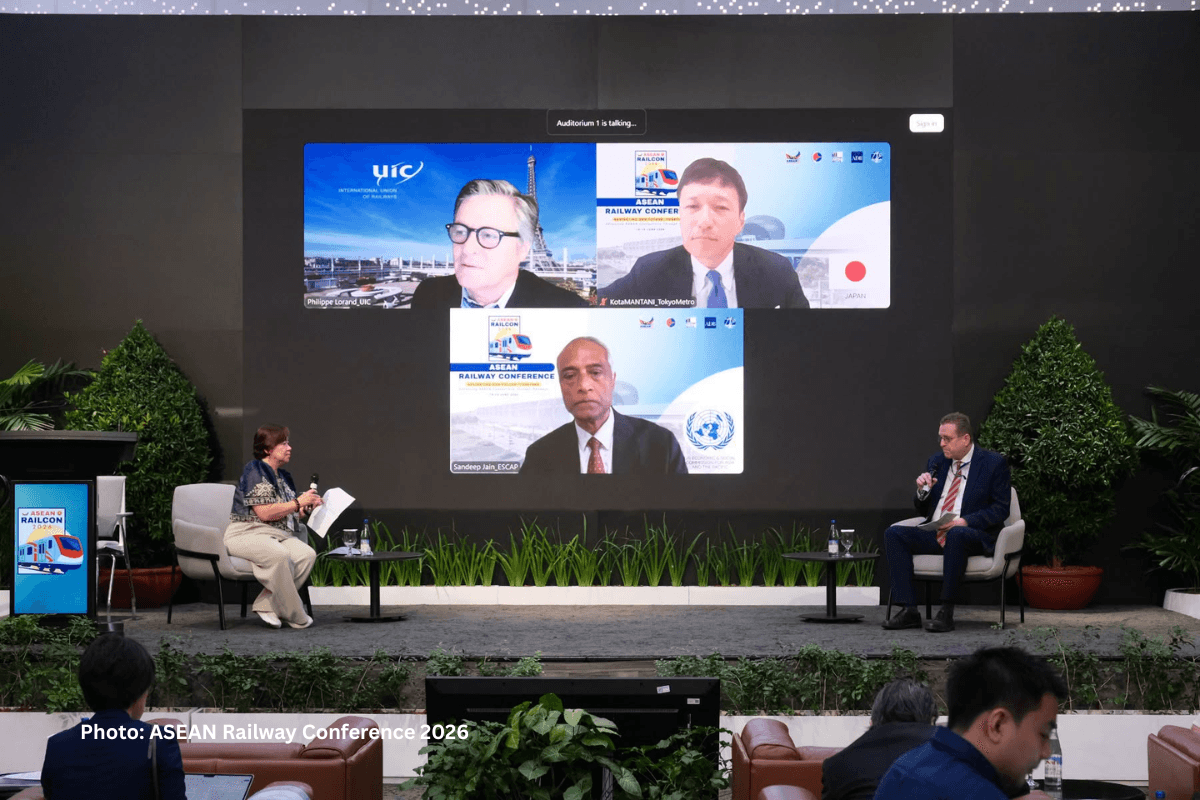
Industry experts explored how digital transformation is reshaping railway operations through predictive maintenance, intelligent asset management, operational analytics, and customer-focused mobility solutions.
Delegates repeatedly highlighted the need for railway operators to embrace emerging technologies to improve efficiency, strengthen resilience, and meet rising passenger expectations.
Country presentations from the Philippines, Thailand, Vietnam, Malaysia, and Indonesia provided insights into how different railway networks are approaching sustainability, operational excellence, and technology adoption.
Investing in People, Not Just Infrastructure
Led by Usec. Anneli R. Lontoc, CESO I, Acting Executive Director of the Philippine Railways Institute, delegates examined how workforce readiness will determine the long-term success of railway investments across ASEAN.
As the Philippines continues to expand its railway network, the Philippine Railways Institute has been tasked with developing a pipeline of skilled professionals capable of operating, maintaining, and managing increasingly sophisticated railway systems.
Speakers agreed that railways cannot rely solely on imported expertise and technology. Building local capabilities, technical competencies, and leadership talent must remain a strategic priority for every ASEAN member state.
Regional Cooperation Beyond Borders
The second day shifted attention towards regional integration and cross-border collaboration.
Representatives from Lao PDR, Myanmar, Cambodia, and Timor-Leste highlighted ongoing efforts to strengthen railway development while addressing challenges related to financing, standards harmonisation, and institutional capacity.
Myanmar noted that the country is undergoing a broader national transformation driven by infrastructure development and digitalisation. Officials expressed interest in attracting greater Public-Private Partnership (PPP) participation while encouraging stronger knowledge transfer from multilateral institutions and regional partners.
Delegates agreed that ASEAN's railway future cannot be achieved in isolation. Harmonised standards, technical cooperation, and continuous knowledge exchange will be essential to enabling future cross-border connectivity and seamless regional transport networks.
Unlocking Billions Through Strategic Partnerships
A major highlight of the conference was the plenary session on innovative funding and partnerships.
Senior representatives from the Japan International Cooperation Agency (JICA), Asian Development Bank (ADB), Asian Infrastructure Investment Bank (AIIB), and the World Bank discussed strategies to bridge the infrastructure financing gap facing many developing economies.
The discussion explored how governments can leverage Public-Private Partnerships (PPPs), blended finance mechanisms, and international development support to accelerate railway delivery while maintaining fiscal sustainability.
The session also reinforced confidence in the Philippines' ambitious railway expansion programme, with development partners reaffirming their commitment to supporting major projects through financing, technical expertise, and institutional capacity building.
Showcasing the Philippines' Railway Transformation
The conference also featured updates on several flagship Philippine railway projects that are expected to reshape mobility across the country.
Among the highlights were the Metro Manila Subway Project and the North-South Commuter Railway (NSCR), both of which represent some of the largest transport infrastructure investments in Philippine history.
These projects are expected to significantly reduce travel times, alleviate chronic road congestion, improve accessibility, and support long-term economic development.
For many delegates, the Philippines' railway transformation serves as a case study for how sustained political commitment, international cooperation, and strategic investment can accelerate infrastructure delivery.
Legacy of Railway Excellence
As ASEAN Railway Conference 2026 comes to a close, it leaves a lasting legacy of collaboration, knowledge-sharing, and collective ambition for the future of rail in Southeast Asia.
The conference has demonstrated that building a connected ASEAN requires more than infrastructure, it requires strong partnerships, shared expertise, and a common vision for sustainable growth.
As the region continues to evolve, railways will play an increasingly vital role in connecting people, economies, and opportunities.
For ASEAN, the direction is clear. The commitment is strong. The journey continues, together.